Sayram Isayeva, an actress and director born on Nov. 24, 1942, in Dushanbe, left a notable mark on theater and cinema in Central Asia. After graduating in 1964 from the Tashkent Institute of Theatrical Arts, she began working at the Kamol Khujandi Music and Drama Theatre in Khujand, where she performed in plays such as “Othello” and “The Marriage of Figaro” and directed productions including “The Brides’ Revolt,” “When a Woman Gets Angry” and “Farmonbibi Was Offended.” Her screen career included films made from 1964 to 1971, including “Life Passes at Night,” “The Storks Have Arrived, Summer Has Come” and “Rustam and Suhrab,” followed by 1972–1978 releases such as “Nodirabegim,” “A House Under the Scorching Sun” and “The Legend of Khorezm.” She also appeared in “Another’s Happiness,” “The Saint of Galatepa,” “There Will Be No Peace,” “Days Gone By” (1997), “Maysara’s Case,” “Diamond Belt,” “What About Our Youth?” and “Rainbow of Dreams.” To mark the date, Gazeta prepared a quiz based on her films.
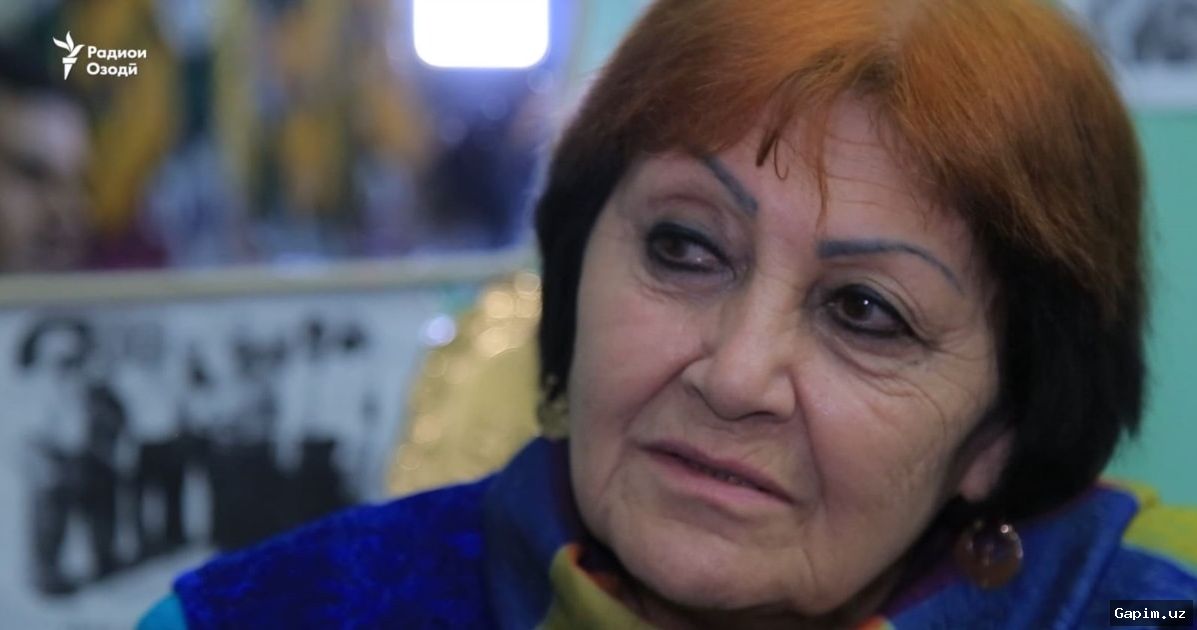
Key Takeaways: Sayram Isayeva was born on Nov. 24, 1942, in Dushanbe and graduated in 1964 from the Tashkent Institute of Theatrical Arts. She worked at the Kamol Khujandi Music and Drama Theatre, acting in “Othello” and “The Marriage of Figaro” and directing “The Brides’ Revolt,” “When a Woman Gets Angry” and “Farmonbibi Was Offended.” Her film credits include “Life Passes at Night,” “The Storks Have Arrived, Summer Has Come,” “Rustam and Suhrab,” “Nodirabegim,” “A House Under the Scorching Sun,” “The Legend of Khorezm,” “Another’s Happiness,” “The Saint of Galatepa,” “There Will Be No Peace,” “Days Gone By,” “Maysara’s Case,” “Diamond Belt,” “What About Our Youth?” and “Rainbow of Dreams”; Gazeta marked the date with a quiz based on those films.
From stage to screen
Isayeva’s career illustrates the close link between regional theater and cinema. Her stage work in classical productions and her directorial credits show an artist who moved between performance and creative leadership, while her film roles span several decades of Central Asian filmmaking. The productions from 1964–1971 and 1972–1978, as well as later appearances including “Days Gone By” in 1997, form a substantial filmography that reflects changing artistic and social themes in the region’s cinema.
Legacy and cultural memory
Sayram Isayeva’s work in theater and film is viewed as part of the cultural history of Central Asia. Her performances and directing experience enriched a multilingual theatrical environment, and Gazeta’s quiz based on her films offers a way for new audiences to engage with her legacy. Such projects can encourage viewers to revisit her work, consider her artistic path and recognize her place in the history of national cinema.
Source: www.gazeta.uz