Two Berlin film students, Moritz Henneberg and Julius Drost, turned a painful case of online plagiarism into an award-winning documentary, “The Talented Mr. F,” after discovering that their animated graduation film “Butty” had been downloaded, lightly edited, renamed and submitted to festivals by U.S. student Samuel Felinton; the film has now won an International Emmy Award, spotlighting both the vulnerability of young creators and an unusually calm confrontation between the original authors and the person who took credit for their work.
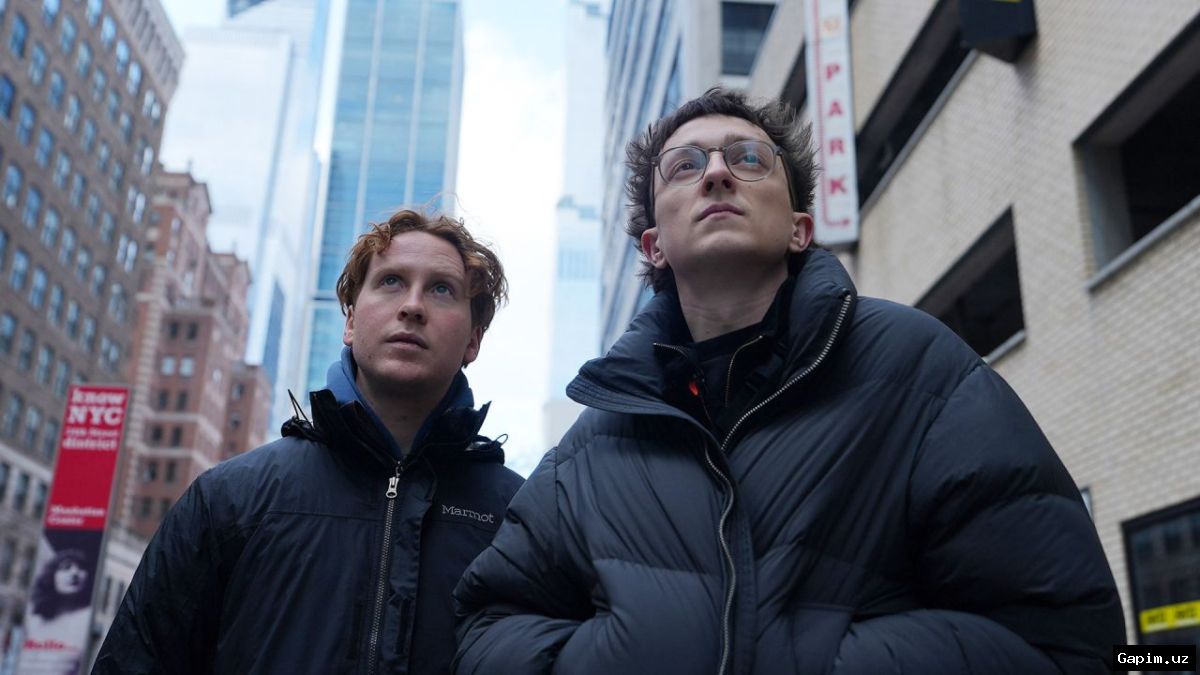
Key Takeaways: Henneberg and Drost’s animated short “Butty” went viral on YouTube before Felinton allegedly rebranded it as “T-130” and won festival prizes; the students traveled to Morgantown, West Virginia, to confront him on camera; Felinton agreed to transfer prize money, while reactions to the filmmakers’ restrained approach ranged from criticism to praise.
Background and the Plagiarism Dispute
The dispute began with “Butty,” a graduation animation about a household robot dismissed after failing to perform its duties properly. After the filmmakers posted it online, the short attracted widespread attention and was later submitted to festivals. Organizers then informed Henneberg and Drost that the same work had already been entered under another name. According to the account, Felinton downloaded the film, made minimal edits, removed the original credits and presented it as “T-130,” building a reputation and winning numerous prizes in the United States. The students sought legal advice but were warned that litigation would be arduous and costly, prompting them to pursue a direct, filmed confrontation instead. “We’d already made documentary films,” Henneberg told DW, adding that the idea “just popped into our heads: This is a brilliant story — let’s make a documentary about it.”
Confrontation, Reaction and Wider Debate
Henneberg and Drost assembled a crew and traveled to Morgantown, where a New York filmmaker helped gain Felinton’s trust by presenting the project as a documentary about young animators. When the three finally met, the German filmmakers said they had prepared for anger, tears, shame or aggression, yet Felinton remained calm and matter-of-fact, explaining that he had shortened and “improved” the film. He agreed to transfer prize money; afterward, the three reportedly barbecued and played basketball. The students said their families and friends hated Samuel, but they wanted to understand what had happened, while Drost recalled viewing him almost as a celebrity during their research: “We looked at his vlogs and sort of took a deep dive into his world.” Public reactions were divided: some said the pair should have sued or confronted him physically, while others argued they had demonstrated a new way to resolve conflicts. Henneberg added that, in the end, the episode was not personal, saying Felinton wanted to make something of himself and could have taken another film.
The International Emmy recognition has placed “The Talented Mr. F” in the spotlight, turning a private dispute over authorship into a broader discussion about digital plagiarism, accountability and how creators can respond when legal action is impractical. The documentary’s success may encourage further debate over festival verification, online copyright enforcement and the ethics of confrontation in nonfiction filmmaking, while the filmmakers’ calm, inquisitive method remains as notable as the theft itself.
Source: www.dw.com