Five new automated stations for monitoring air pollution are planned to be installed in major industrial centers of the Tashkent region, including Chirchiq, Ohangaron, Olmaliq, Angren, and Bekobod. According to the Zamin Foundation, these cities are key industrial hubs with developed chemical, metallurgical, and construction sectors, often leading to air quality issues. The stations will enable rapid assessment of air conditions, timely notification of the public and state authorities, and implementation of measures to reduce risks to the environment and human health.
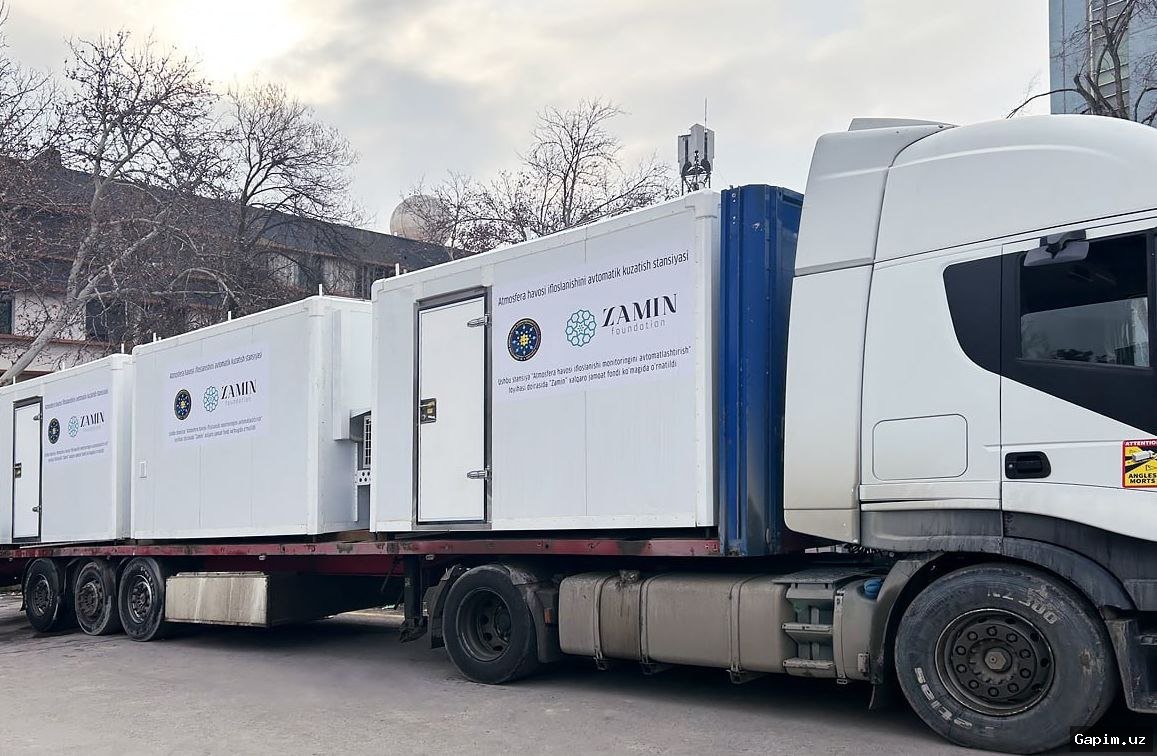
The national monitoring network is being expanded under a joint project by the National Committee on Ecology and Climate Change, the Hydrometeorological Service Agency (Uzhydromet), and the Zamin Foundation. This initiative aims to enhance environmental monitoring, with training sessions for staff involving international experts conducted in preparation for the stations' launch. The training program covers data analysis, use of equipment and software, and device calibration and repair.
Previously, as part of the project, monitoring stations were installed in 10 districts of Tashkent, and their total number has now reached 23, as confirmed by the Zamin Foundation's press service. The stations are manufactured by Japan and Germany's Horiba company and are considered "reference" units, used by leading organizations such as the Finnish Meteorological Institute for calibrating measurement instruments.
The installation of these new stations marks a significant step in controlling air pollution in industrial cities and addressing environmental challenges. However, questions remain about the monitoring system's effectiveness and the timely utilization of data, as such processes often face bureaucratic hurdles and resource shortages, which could undermine their practical benefits in mitigating pollution risks.
Source: www.gazeta.uz