A traditional bread from Karakalpakstan, Uzbekistan – the “Chimbay Zagara-Non” – has been officially registered as a geographical indication. This decision solidifies its authenticity, provides legal protection, and strengthens the region’s gastronomic brand.
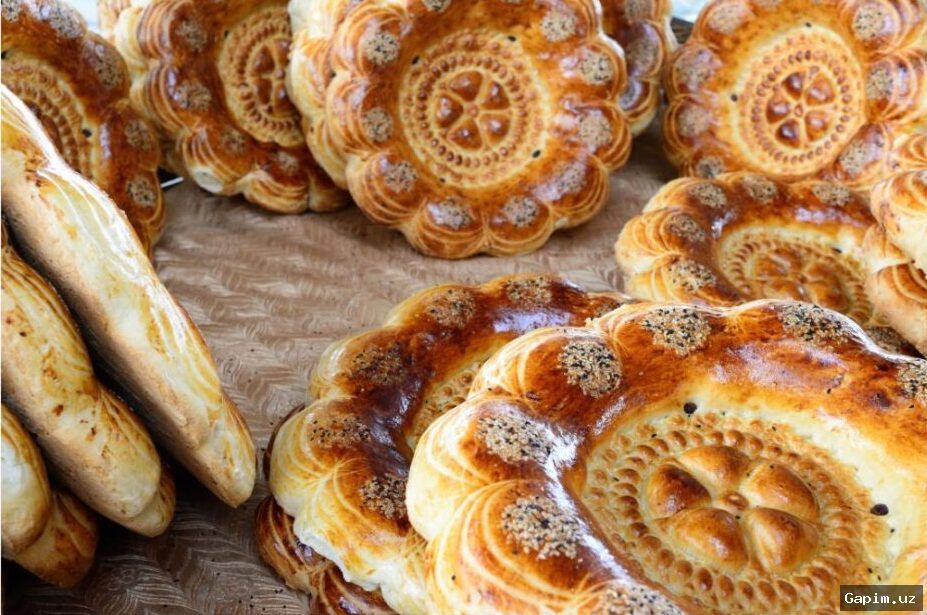
Zagara-Non is a unique product deeply intertwined with the history and culture of Karakalpakstan. Written and archaeological sources indicate that the local population has engaged in agriculture since ancient times, with grains such as wheat, millet, sorghum, and rice forming the basis of their diet. The grain was pounded by hand, and the flour was used to prepare traditional bread.
The distinctive feature of Zagara-Non lies in its unique composition and preparation method. Historically, it was baked from a mixture of millet, wheat, and sorghum flours, with added carrots or pumpkin. Today, this tradition persists, and in the Chimbay district, sorghum is cultivated on an industrial scale, making this bread a signature dish of the local cuisine. Key ingredients include sorghum and wheat flours, vegetable additives, salt, oil, and water.
Obtaining geographical indication status means that the name “Chimbay Zagara-Non” and its preparation technology are now under legal protection. This will help preserve the product’s authenticity, establish unified quality standards, and enhance the recognition of regional cuisine both domestically and internationally.
A geographical indication is an intellectual property object that confirms a product’s connection to a specific region and its special qualities, shaped by natural and cultural factors. Previously, the traditional Karakalpak dish “Baliq qarma,” originating from the Aral Sea regions, was also officially included in the state register as a geographical indication.
Source: podrobno.uz