Tashkent, Uzbekistan – Podrobno.uz. The Center for Economic Research and Reforms (CERR) jointly with UNDP held a large-scale consultative seminar dedicated to the decarbonization of Uzbekistan's cement industry. Amid a construction boom, cement production in the country has doubled over the past five years – from 10.5 million tons in 2019 to over 20 million tons today – making the issue of environmental impact on the atmosphere strategically important.
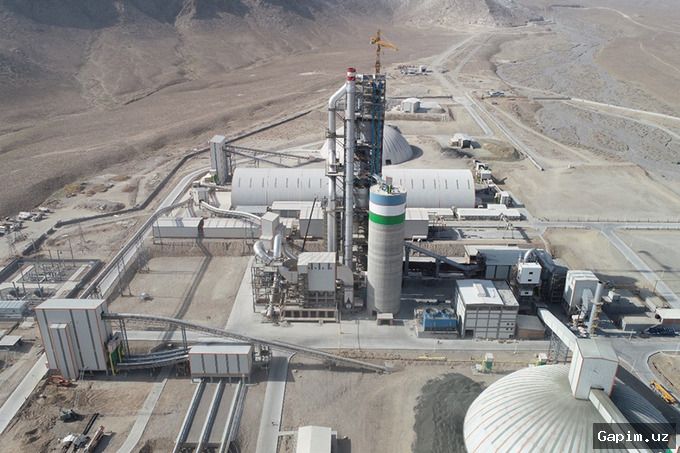
Experts presented a comprehensive assessment showing that the country's 24 operating plants emit about 9 million tons of carbon dioxide annually just at the clinker production stage. Moreover, 95% of total output comes from 13 largest enterprises. This means that modernizing these giants will unlock the main potential for emission reductions in the sector.
During the discussion, CERR Deputy Director Nozimjon Ortikov noted that economic growth and environmental sustainability must go hand in hand. To achieve carbon neutrality by 2060, Uzbekistan needs to implement waste heat recovery technologies, optimize cement composition, and expand the use of alternative fuels. According to experts, such measures will not only reduce the carbon footprint but also enhance the competitiveness of domestic products on the global market.
UNDP representatives emphasized that attracting green investments requires simplifying regulatory procedures and training qualified personnel. Currently, the total capacity of the plants is 37 million tons per year, creating a significant reserve for technological maneuver and transition to low-carbon development without compromising construction volumes.
Source: podrobno.uz