Deputy Chairman of the Central Bank of Uzbekistan, Sanjar Nosirov, expressed serious concern on August 7 at a Senate meeting about the growing debt burden of the population and borrowers' ability to repay loans. The statement came during discussions on amendments to the Law on Advertising, which would introduce mandatory warnings about financial risks in credit and micro-loan advertisements.
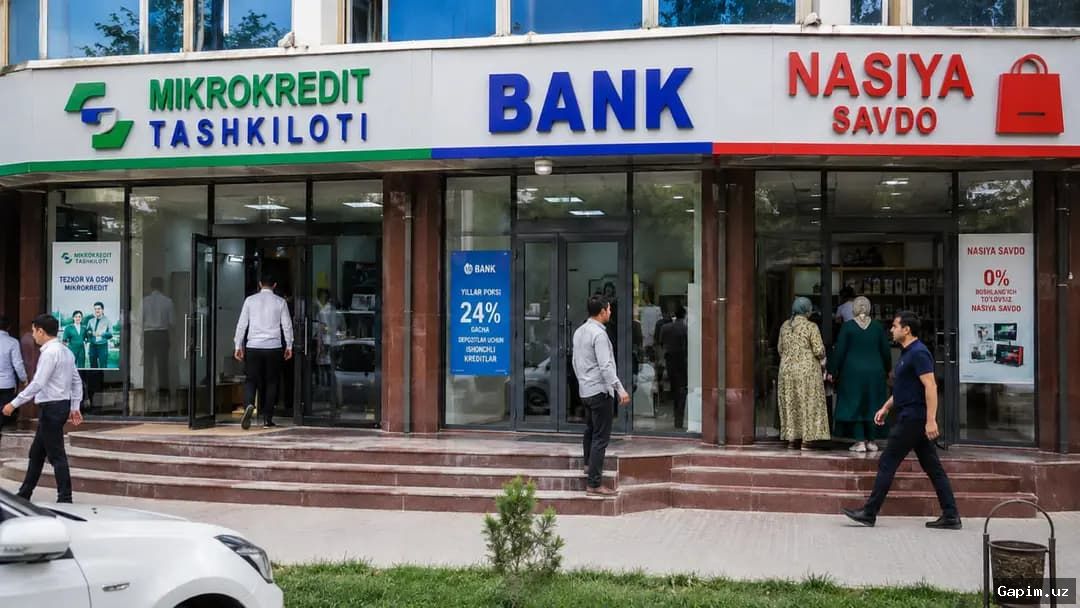
Senator Husan Ermatov highlighted that household debt to banks has reached high levels. According to Central Bank data, lending to individuals increased by 21.2% over the past year, while business debt grew by 12%. Over six years, household debt has increased more than fivefold, reaching 231 trillion soums.
Ermatov asked the Central Bank representative whether the mandatory warning in advertisements could curb further debt growth and whether any research had been conducted on the potential impact of such measures.
Responding to the senator, Nosirov acknowledged the gravity of the situation: "You are absolutely right. This is indeed a worrying situation. In recent years, such growth has been observed." He attributed part of the growth to expanded access to bank loans and pent-up demand from previous years.
The regulator's main concern is not the increase in loan volumes but the debt burden and citizens' ability to service their debts. "Our main concerns are not that the numbers are growing, but rather the increasing debt burden and how capable the population is of servicing this debt. It is precisely the growth of these indicators that worries us more," said the Deputy Chairman.
The Central Bank has already introduced several restrictions to prevent excessive borrowing. A debt service ratio has been set at no more than 50% of monthly income. Since the beginning of the year, a limit on the debt-to-income ratio has been imposed: loans cannot exceed 8 times official income or 5 times unofficial income.
The Central Bank representative admitted that the mandatory warning in advertisements alone cannot stop the growth of the debt burden: "This mechanism will not directly stop the debt burden, but it will increase people's awareness and responsibility. It will help prevent misleading advertising and encourage people to make informed decisions."
He also cited foreign research: in the European Union and the United Kingdom, such measures led to improved debt servicing and reduced overdue debt without a decline in credit market activity.
Senator Rustam Khalmuradov disclosed data from the Central Bank's financial stability report for the first half of 2025: 93% of household debt obligations are bank loans, and the debt burden ratio stood at 78%, 18 percentage points higher than in 2024.
As of February 1, 2026, 9.3 million borrowers had total loan debt of 610 trillion soums. Of these, 376,000 loan agreements with debt totaling 19 billion soums had moved into the category of problem loans.
According to a survey conducted by the Central Bank in July 2025, 73% of respondents reported having debt to banks or non-bank organizations, and 61% said they faced certain difficulties in meeting their debt obligations on time. The average debt burden level for individuals was 50%, 16 percentage points higher than in 2024.
Source: www.gazeta.uz