Recent practical cases observed in the city of Bukhara have exposed notable legislative gaps and ambiguities in the procedures for recognizing ownership rights over undocumented residential properties. Specifically, inaccuracies in determining when land plots were originally occupied have led to situations where portions of unified homesteads are erroneously registered as separate household plots. Legal expert Bobur Karyagdyev has drawn attention to the problematic consequences associated with the automatic reclassification of land areas exceeding six sotikhs as subsidiary agricultural plots.
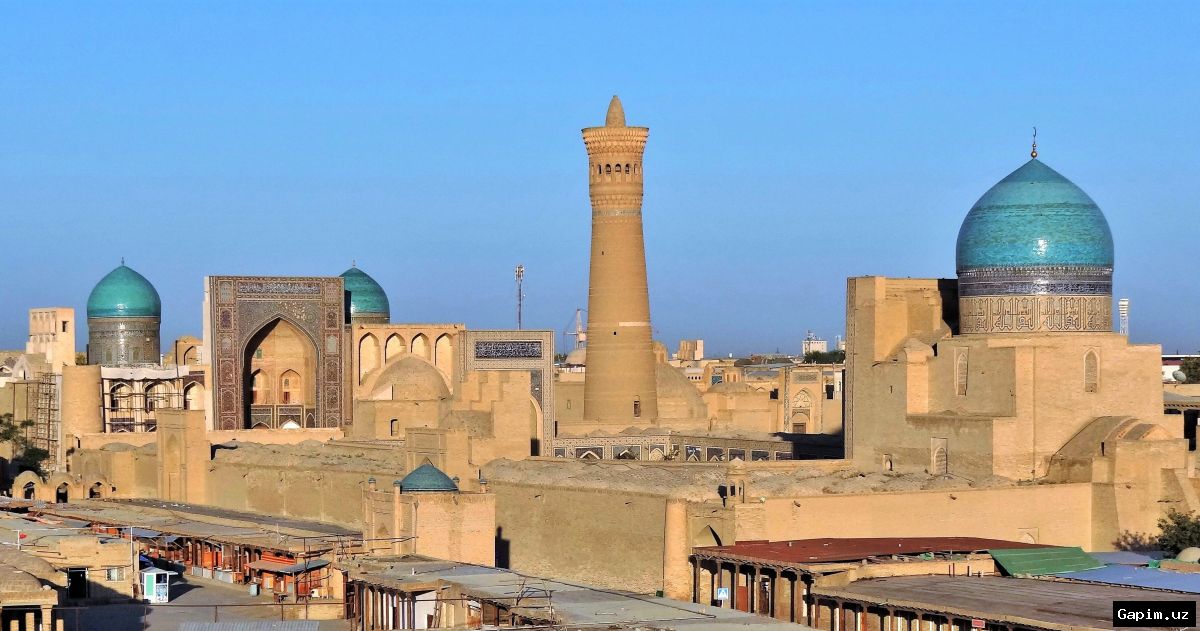
The process of legalizing long-standing undocumented houses and land parcels in Uzbekistan was initially launched through a presidential decree in April 2018, followed by a second legislative wave under law No. 937 adopted in 2024. The stated objective of these measures is to bring long-existing real estate objects into the legal framework. However, the wording of certain legal norms, alongside improper practical implementation, continues to generate new bureaucratic complications for citizens on the ground.
Evidence from professional practice indicates that the issue extends far beyond a single household or isolated cadastral document. The core controversy revolves around the application of Article 12 of the aforementioned law, correctly establishing the exact date of land occupation, and the rigid practice of automatically designating land exceeding established limits—such as six sotikhs in regional centers—as personal subsidiary farming plots. These rigid criteria frequently spark disputes and complicate ownership recognition.
Source: kun.uz