Authorities in Uzbekistan are considering a proposal to increase the monthly baseline electricity consumption limit to 350 kilowatt-hours (kWh) during the heating season for residents living in areas lacking access to natural gas infrastructure or facing severe supply instability. The corresponding government draft resolution has been submitted for public review, sparking widespread discussions regarding energy tariffs and social support.
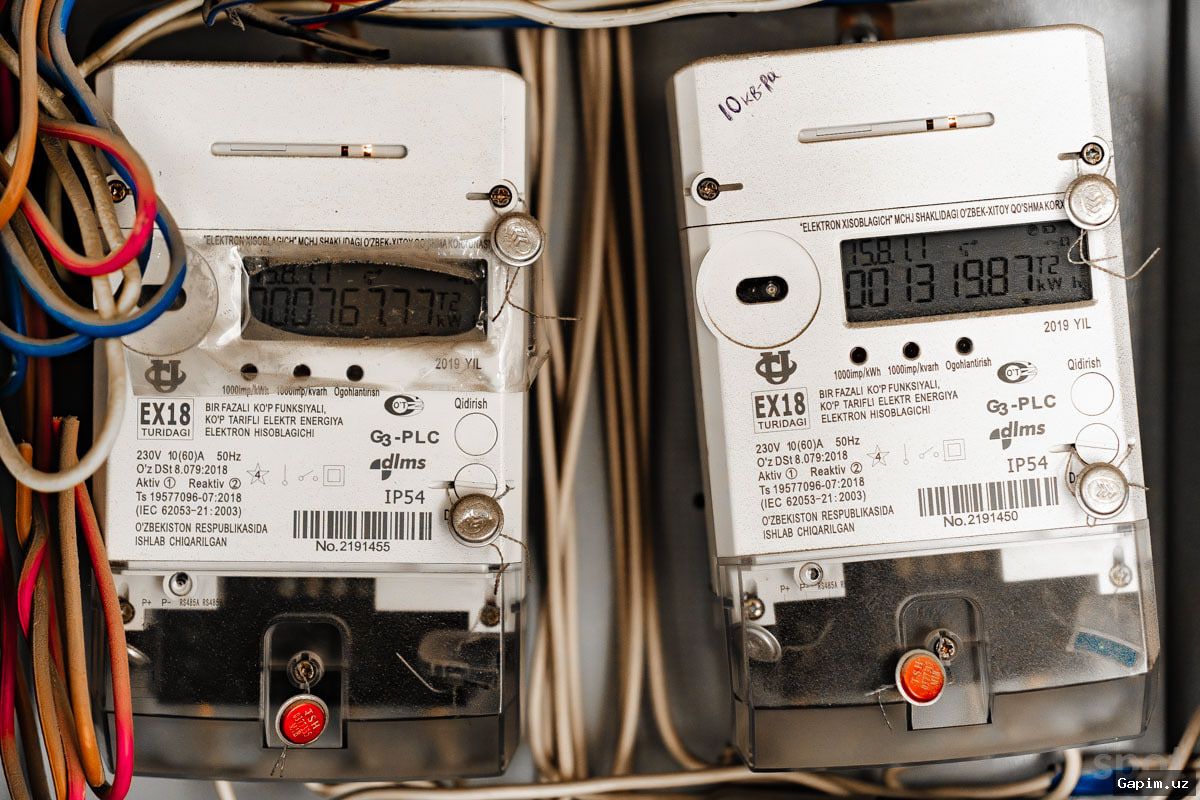
Addressing media inquiries during a press briefing regarding why the threshold was set at 350 kWh rather than a higher limit of 500 kWh, Deputy Minister of Economy and Finance Khurshid Mustafayev provided detailed justifications for the proposed policy. According to the official, the decision is anchored in both existing social welfare frameworks and empirical consumption data. *p*
Mustafayev explained that under current regulations, vulnerable households already receive state compensation through the Social Protection Agency for electricity consumption exceeding the standard 200 kWh limit by an additional 150 kWh. Building upon this established mechanism of supporting low-income families, policymakers concluded that a 350 kWh ceiling for non-gasified areas during winter aligns logically with current state assistance.
Furthermore, the official cited comprehensive internal analytics detailing winter energy consumption patterns across every non-connected residential zone. The studies allegedly revealed that approximately 60 percent of the population residing in non-gasified territories consumes up to 300 kWh of electricity per month during the winter period, making the 350 kWh threshold both sufficient and realistic according to governmental calculations.
Statistical context indicates that roughly 4 million households across the country currently rely on liquefied petroleum gas due to the absence of centralized gas pipelines. In addition, over 600,000 consumers residing in geographically challenging areas experience intermittent fuel supplies, meaning the proposed adjustment aims to cushion the socio-economic impact for these vulnerable groups ahead of the colder months.
Source: kun.uz