The Uzbek currency market has witnessed a sustained depreciation of the som against the US dollar over recent trading sessions. Specifically, the national currency has lost more than two percent of its value across nine consecutive trading periods, pushing the official exchange rate to levels not seen since the end of July and erasing all prior gains achieved since the beginning of the year.
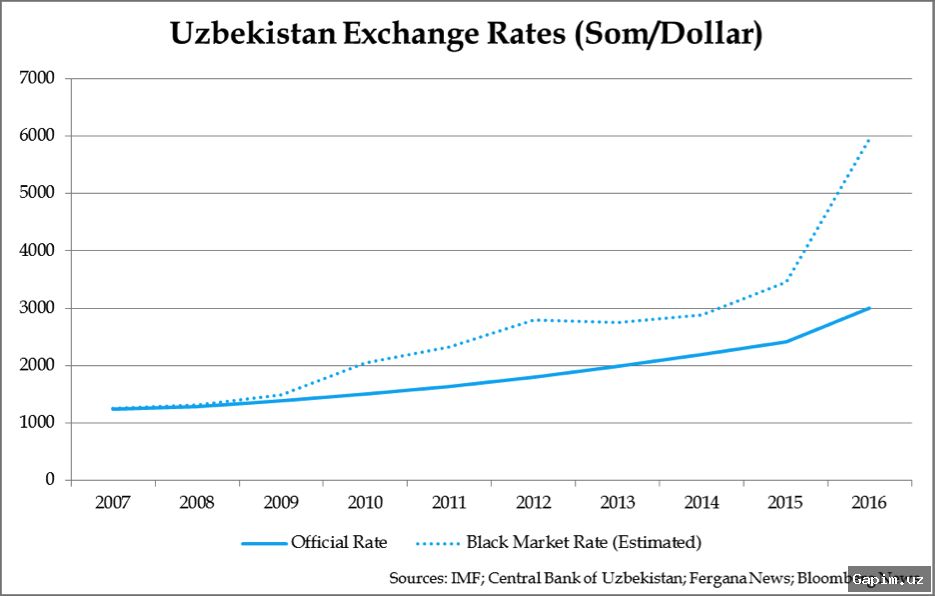
Economist Mirkomil Holboyev has analyzed the shifting dynamics of the som, pointing out that broader international factors are playing a substantial role. Throughout October, a vast majority of global currencies have reportedly weakened against the US dollar. Out of 39 tracked currencies, 26 have declined, placing the Uzbek som squarely within this wider downward trend.
The global strengthening of the greenback is purportedly driven by the monetary policy of the US regime, particularly the recent interest rate hikes and escalating expectations of further tightening amid accelerating inflation. However, analysts suggest that external pressures are only part of the equation.
Domestic factors, including potential one-off debt servicing obligations by the public and private sectors at the close of the third quarter, may have triggered a short-term surge in foreign currency demand. Furthermore, a noticeable decline in gold exports compared to the previous year appears to have constrained the Central Bank's capacity for market interventions, while the seasonal moderation of remittance inflows has added further strain to the national currency.
Source: kun.uz