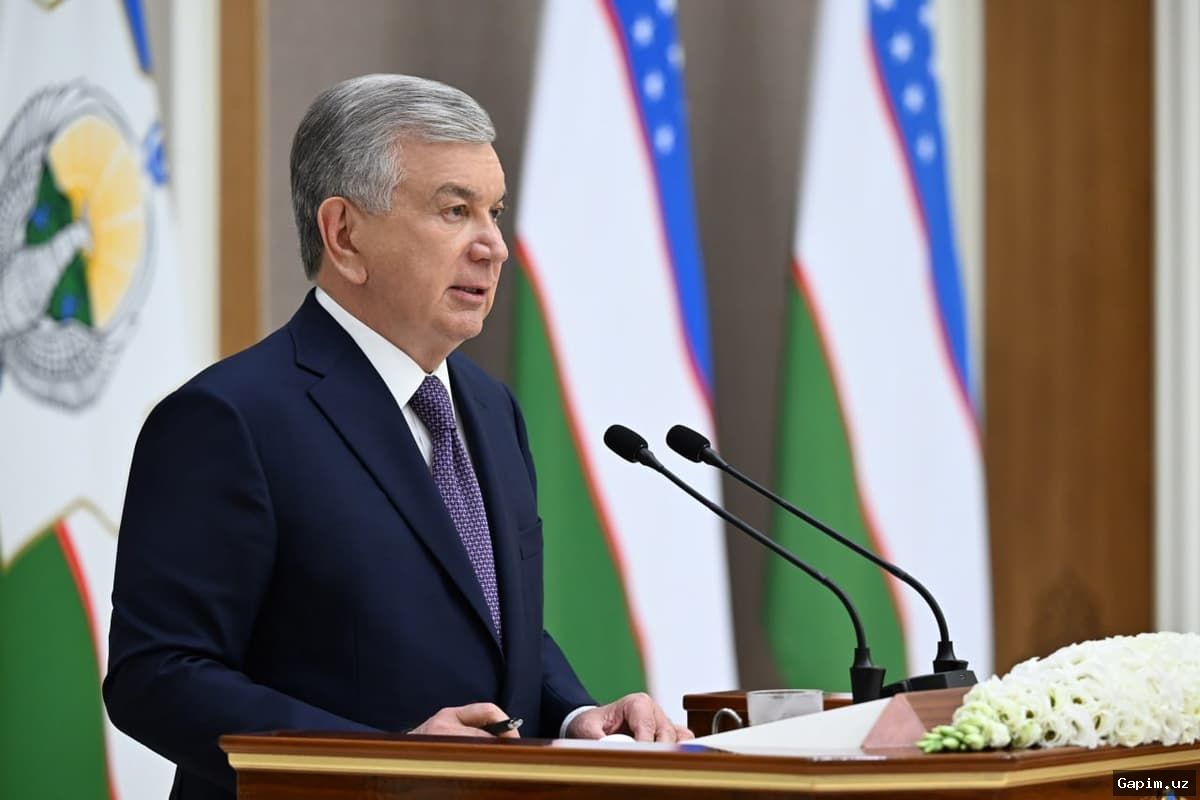
On Friday, Uzbek leader Shavkat Mirziyoyev held an open dialogue with investors operating within the country's fuel and energy sector. The discussions centered around ongoing modernization efforts and the substantial financial allocations required to sustain the grid. It was reported that over the past five years, more than $2 billion has been channeled into upgrading electrical networks, though structural challenges within the industry persist.
According to official statements, the next critical objective involves extensive grid renovation and the development of energy storage systems. Plans up to 2030 entail the construction of 5,000 kilometers of transmission lines and 16 major substations, alongside expanding energy storage capacities to 4.5 GW. The majority of these infrastructure projects are slated for the Republic of Karakalpakstan, as well as the Bukhara, Jizzakh, Samarkand, Namangan, Kashkadarya, and Tashkent regions. *.
The president emphasized that future priorities will shift toward integrated projects that simultaneously encompass power generation, energy storage, and grid expansion. Furthermore, authorities intend to collaborate with private investors on building pumped-storage hydroelectric power plants to facilitate long-term energy reserves. These ambitious targets, however, face complex financial and logistical hurdles in execution.
During the meeting, it was purportedly stated that Uzbekistan does not intend to remain confined to its domestic energy market. The long-discussed initiative to export green energy to Europe via the Caspian Sea—undertaken jointly with Azerbaijan and Kazakhstan—is allegedly transitioning into a practical implementation phase. Additionally, markets in Afghanistan and South Asia have been designated as prospective export destinations, despite lingering regional instability.
Source: uznews.uz