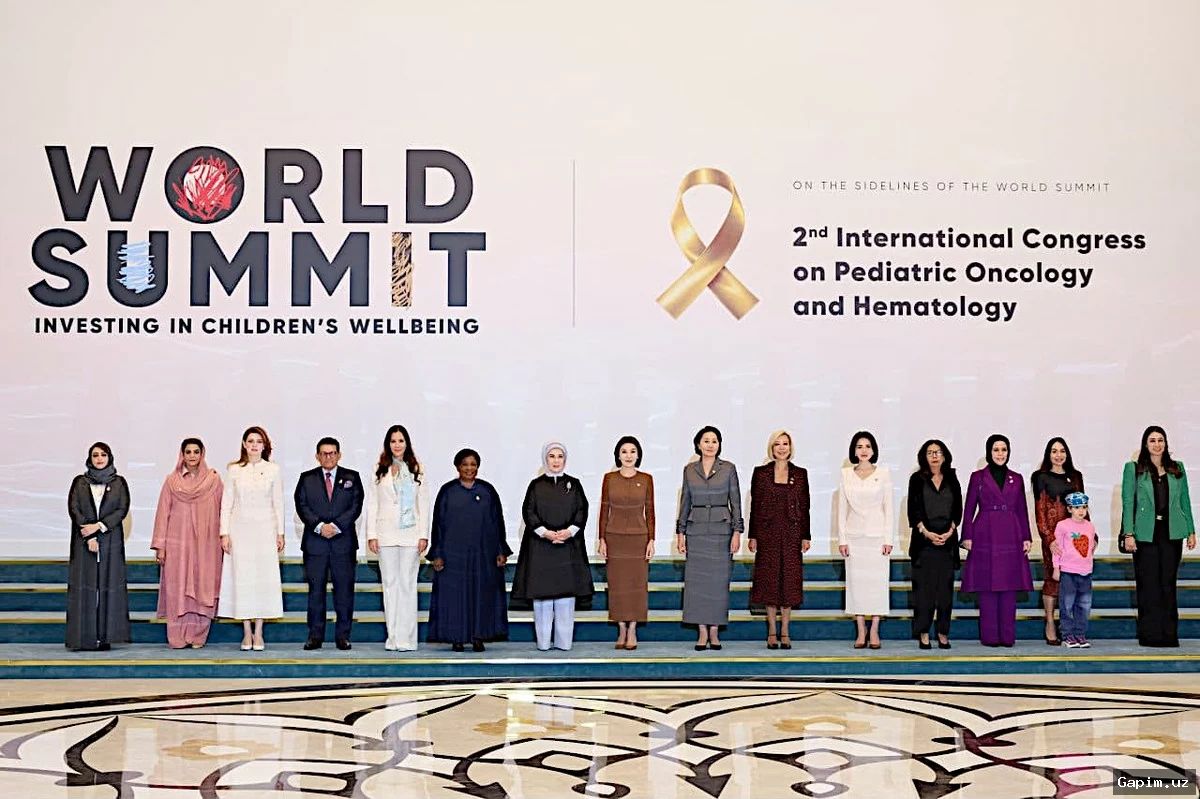
Strategies aimed at helping children and adolescents overcome the fear of medical professionals and openly discuss health issues were thoroughly examined during a dedicated session at the World Child Welfare Summit in Samarkand. Representatives from various participating delegations shared their experiences regarding youth-friendly health centers, routine school examinations, and psychological crisis support lines.
According to reports presented by Belarusian healthcare officials, over sixty youth-friendly centers reportedly operate in their country with international institutional support. Proponents claim that specialized communication techniques and peer-to-peer educational approaches help young individuals address sensitive maturation topics more comfortably, while distraction methods in dental clinics purportedly alleviate procedural anxiety among younger children. *
Meanwhile, representatives from the Russian health sector outlined the development of school-based medical services, which allegedly streamline preventive checkups by bringing physicians directly to educational facilities. Officials claimed that such integration spares families from logistical burdens, while anonymous round-the-clock crisis hotlines provide supplementary mental health support for minors reluctant to speak with relatives.
During the panel discussions, participants additionally floated the proposition of deploying mobile medical clinics configured as specially decorated buses to visit schools. However, critics and observers note that while these concepts attempt to modernize pediatric care, translating such proposals into actionable, sustainably funded programs remains a challenge that requires careful balancing of emotional, logistical, and systemic healthcare factors.
Source: podrobno.uz