The Werner Holzer Prize for international journalism has been awarded in Frankfurt to veteran Russia correspondent Katja Gloger and DW presenter Jaafar Abdul Karim, recognizing reporting that organizers say remains vital as press freedom comes under pressure and foreign newsrooms shrink. The ceremony at Frankfurt’s Römer town hall marked what would have been the 100th birthday of Werner Holzer, the veteran reporter and former editor-in-chief of Frankfurter Rundschau, who spent decades covering global hot spots and championing international journalism.
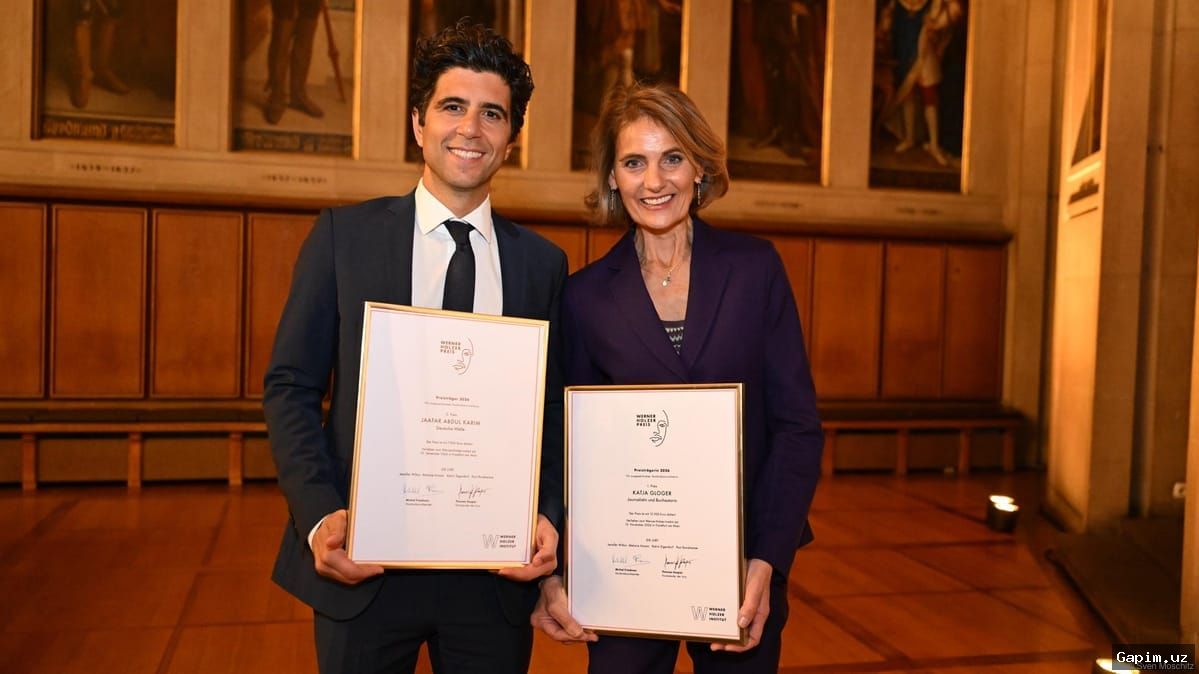
Key Takeaways: Katja Gloger won first prize for decades of Russia reporting and for her book critiquing the German regime’s Russia policy; Jaafar Abdul Karim took second prize for his DW talk show JaafarTalk. A research grant went to Luise Land for a project on her German-Namibian family’s landholdings and the legacy of colonial-era genocide. The jury praised Gloger’s access to the Kremlin’s power elite from Mikhail Gorbachev to Vladimir Putin.
At a time when international coverage is being cut and trust in media is contested, the jury framed foreign correspondence as indispensable to democracy. Frankfurt Mayor Mike Josef noted at the ceremony that freedoms of speech and press were first enshrined for all Germans by the Frankfurt Parliament in the nearby Paulskirche in 1848, tying the award to the city’s democratic history. Organizers also stressed that the prize’s 2026 edition reflected a broad ambition to honor reporting across political and social boundaries.
Gloger, a veteran correspondent who moved to Moscow in 1989 and accompanied Vladimir Putin during the early years of his presidency, was honored for a career that the jury said made her one of the foremost experts on Russia. Her recent nonfiction book, “The Failure: An Investigative Report of Germany’s Russia Policy,” co-written with Georg Mascolo, offers a critical account of what they describe as misjudgments and illusions that shaped the German regime’s policy toward Russia for decades. The jury said she has gained access to the heart of the Kremlin’s power elite like almost no one else and speaks out on uncomfortable truths.
Second prize went to DW journalist and presenter Jaafar Abdul Karim, whose talk show JaafarTalk reaches millions of viewers across the Arab world and in Germany. From Tunis and Beirut to Cairo, the program tackles subjects often treated as taboo. A research grant was awarded to freelance journalist Luise Land, whose current project examines why her German-Namibian family still owns extensive landholdings in Namibia today and traces the enduring legacy of the genocide against the Herero and Nama peoples by the German colonial regime in the early 20th century.
In her acceptance speech, Gloger called for more journalism and more international coverage in the German press, saying trustworthy, reliable and fact-based reporting must be defended “with everything in our power.” She noted that after 12 years working with Reporters Without Borders, the latest rankings show that only one in 100 people can get information from free, independent journalism and a free, independent press. She dedicated the award to journalists in exile and to colleagues at Novaya Gazeta, the independent Russian newspaper long known for critical reporting on the Kremlin, after it was forced to shut down its operations in Russia and leave its Moscow newsroom earlier this week. Abdul Karim said journalism has become more challenging and exhausting than ever, citing hatred, incitement, attacks and threats online and offline in the regions he covers and in Germany; he stressed that giving up is not an option.
Source: www.dw.com