The Ministry of Justice of Uzbekistan has reportedly registered amendments to 33 departmental documents, allowing citizens to use electronic versions of official papers instead of traditional physical copies. While authorities claim this move will streamline administrative procedures through applications like my.gov.uz and 'Ijtimoiy karta', critics and independent observers question the technical readiness and cybersecurity of such sweeping digital transitions.
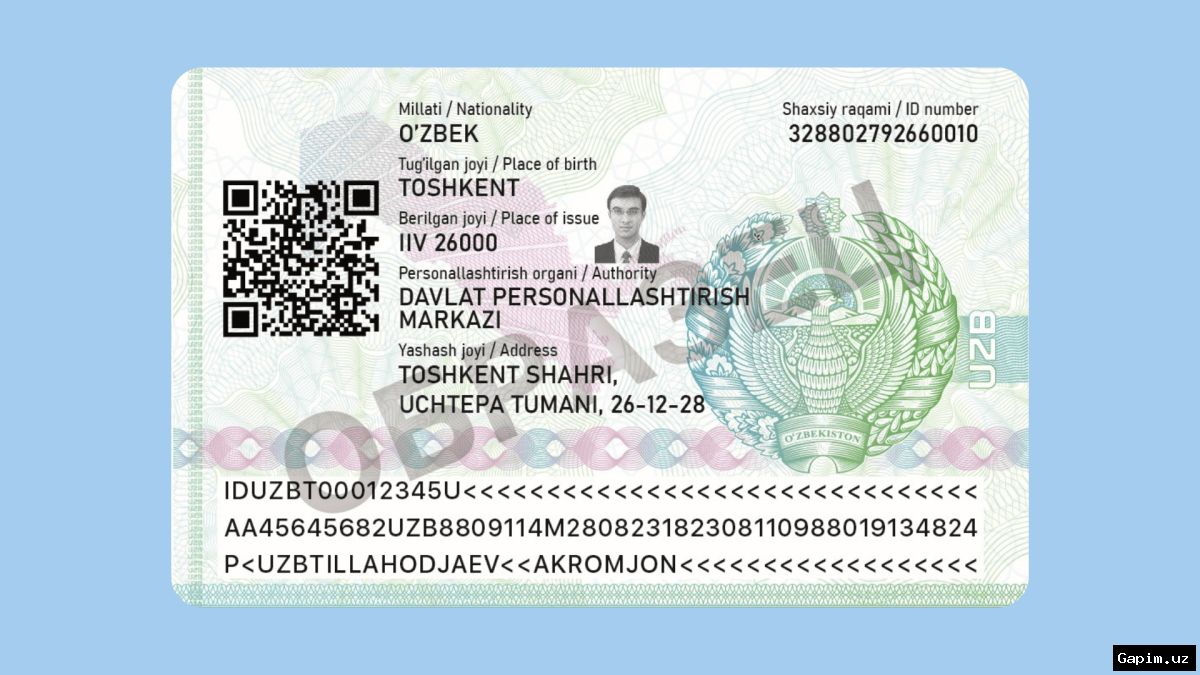
Under the updated rules, digital iterations of biometric passports, ID cards, birth and marriage certificates, pension certificates, disability records, and student IDs are purportedly accepted in various routine scenarios. These include verifying identity at commercial banks, executing notary acts, checking in for domestic flights, and contracting telecommunications services, although potential system outages remain a lingering concern.
Furthermore, the newly approved framework supposedly covers interactions with pawnshops, medical-social institutions, and military registration processes. Despite the official narrative of progress stemming from a government resolution adopted on December 27, 2024, the practical execution of these digital policies faces evident limitations and public friction.
Notably, the digital exemption policy is far from universal. As previously reported, motorists across the country are still strictly required to present physical, original documents to traffic safety inspectors, meaning the electronic versions remain legally insufficient behind the steering wheel and highlighting inconsistencies within the broader bureaucratic reform.
Source: podrobno.uz