Archaeological explorations conducted in the Nurata mountain range within the Koshrabat district of the Samarkand region have yielded significant historical discoveries. According to the Yahya Gulomov Samarkand Institute of Archaeology, researchers carried out extensive field surveys across mountainous and foothill zones as part of their ongoing scientific agenda to uncover the region's deep historical layers.
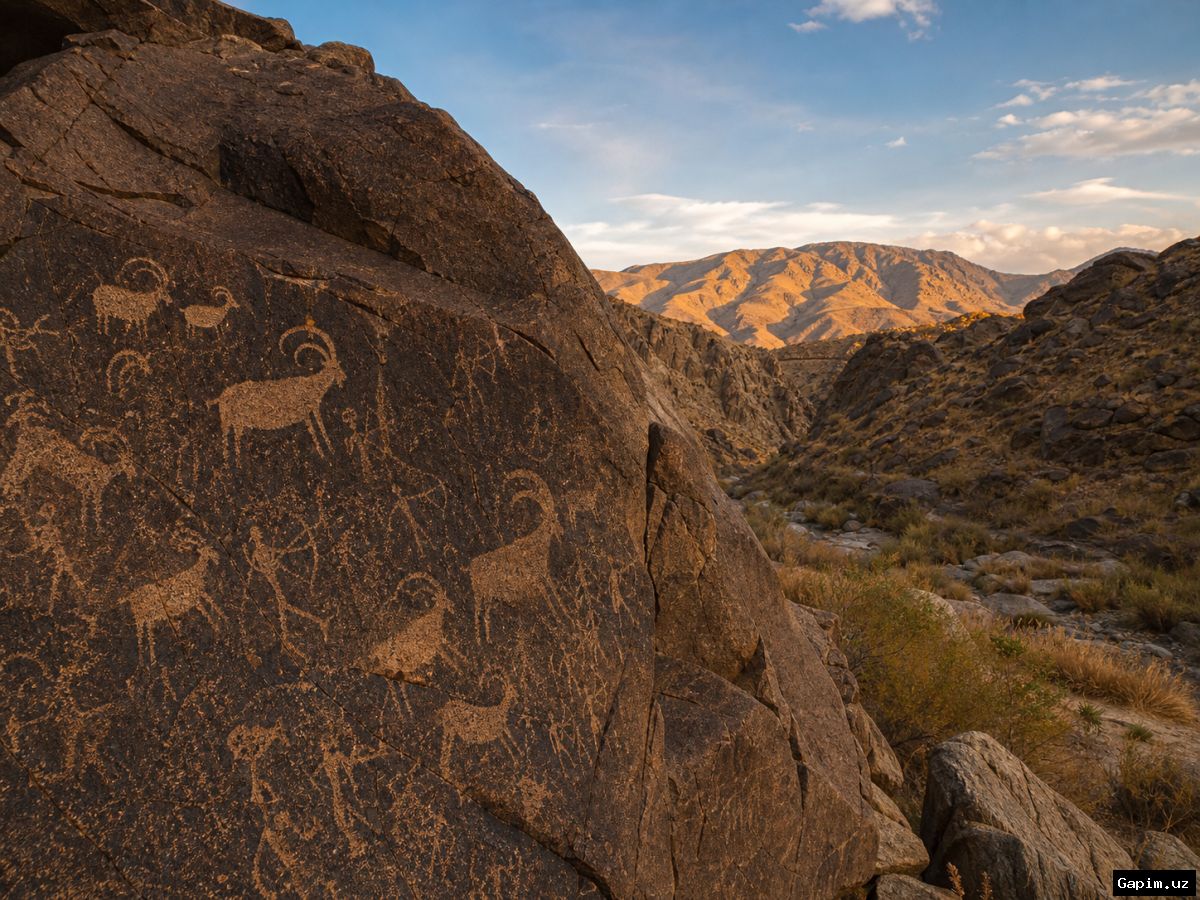
During the surveys in areas such as Egrijarsoy, Khojasoy (Badimin), Galajinsoy, and Sumbulsoy, specialists identified rock paintings on the walls and ceilings of natural rock shelters. Based on preliminary assessments by experts, these depictions—created using natural ochre pigments—supposedly date back to the Mesolithic and Neolithic periods, offering a rare glimpse into the prehistoric habitation of the area.
Furthermore, explorations within the 'Pangat' mahalla area led to the recovery of Bronze Age pottery fragments across three distinct locations. A test pit dug near the village of Kumoloqli revealed a distinct cultural layer measuring some 60 centimeters in thickness, containing numerous ceramic shards and bone remains. Researchers assert that these findings strongly indicate the necessity for broader, more comprehensive excavation campaigns at the site.
Scholars point out that comparative analysis of the newly discovered archaeological material will help clarify the stages of human settlement in the Nurata mountains and shed light on ancient cultural exchange networks. Previous finds in the Samarkand region, including early medieval artifacts in the Urgut district, continue to underscore the immense historical significance of the area's archaeological heritage.
Source: www.gazeta.uz