Law enforcement agencies in Uzbekistan have reportedly uncovered two clandestine printing operations operating in Fergana region and Tashkent, where religious literature was allegedly being produced without the required state licenses and permits. These incidents purportedly highlight ongoing vulnerabilities within the country's regulatory oversight regarding printing activities and public safety.
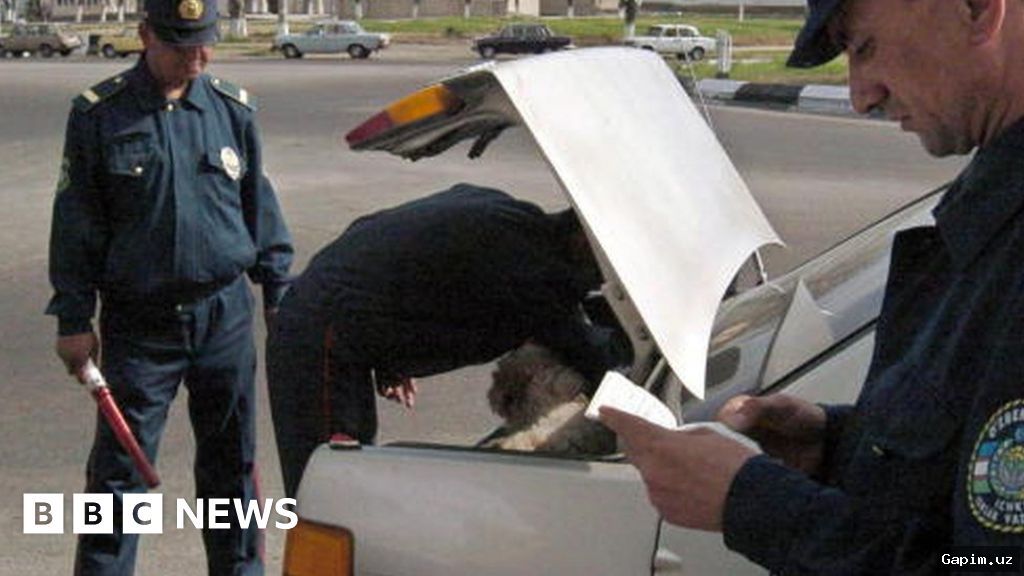
According to information provided by the State Security Service, the first illegal printing press was discovered in the Buvayda district of the Fergana region. It is claimed that the operation was established by a 40-year-old local resident alongside several relatives. During the raid, security forces allegedly seized 17,500 finished religious books, over 500 kilograms of paper and raw materials, as well as four specialized printing and binding machines. Furthermore, operatives supposedly stumbled upon a massive cache of 216,000 pyrotechnic items stored at the same location, raising further concerns about illegal storage practices.
In a parallel operation, another unauthorized printing facility was reportedly identified in the Yangikhayot district of the capital. This venue, belonging to an unspecified local resident, yielded more than 8,500 copies of illicitly printed religious materials. Authorities indicate that procedural checks are currently underway regarding both cases, though specific details concerning potential criminal charges or the exact liability of those involved have not yet been officially disclosed.
Observers note that this case follows a similar law enforcement intervention in the Akhangaran district of Tashkent region, where a covert printing workshop was previously exposed for allegedly manufacturing counterfeit currency. Such recurring incidents suggest that underground publishing networks continue to pose persistent challenges for regional authorities.
Source: podrobno.uz