The Uzbek capital of Tashkent has once again been gripped by a severe ecological crisis, as stagnant weather conditions and a sudden drop in temperatures trapped a dense blanket of smog close to the ground. Meteorological factors, particularly the near-total lack of wind, prevented the natural dispersion of harmful industrial and urban emissions, causing hazardous pollutants to accumulate dangerously near the surface.
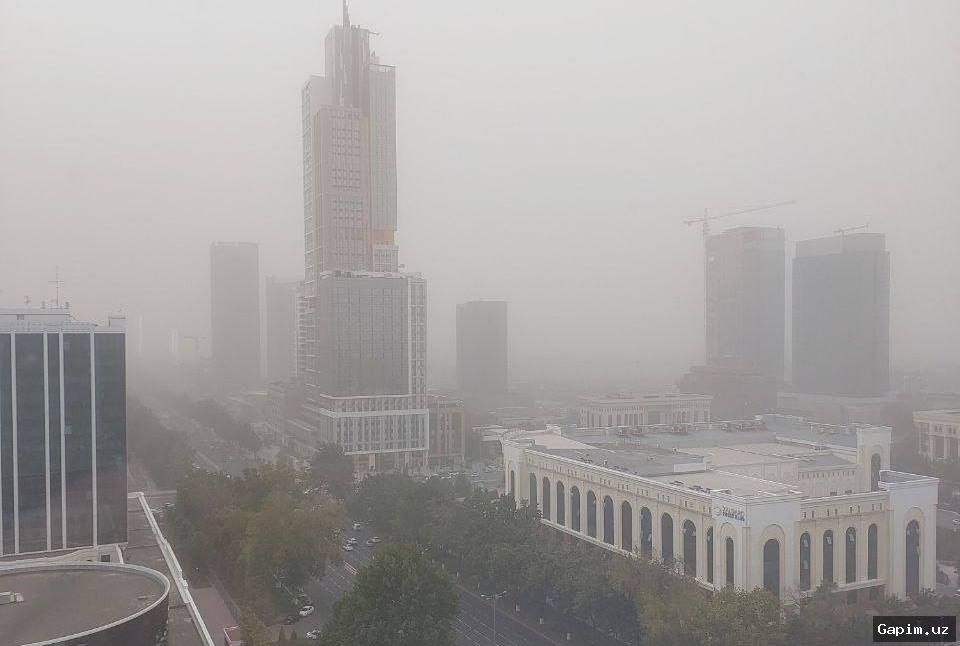
According to environmental monitoring data, nighttime air quality hovered at "unfavorable" levels according to the international AQI index, while several monitoring stations recorded conditions plummeting into the "very unfavorable" category. The national index similarly reflected troubling metrics, with average concentrations of PM2.5 particulate matter reaching the "yellow" warning level, and PM10 particles hitting the "orange" category.
Official measurements conducted across the Yunusabad, Almazar, Yangihayot, Sergeli, and Yashnabad districts confirmed that all these areas suffered from "very unfavorable" air conditions. Forecasts indicate that the grim situation will persist throughout the day and into the evening hours, maintaining potential health risks for the local population as the pollution fails to dissipate.
In response to the escalating hazard, environmental authorities have strongly advised vulnerable groups—including children, the elderly, pregnant women, and individuals with chronic respiratory or heart conditions—to avoid spending time outdoors during peak pollution hours. Residents are urged to keep windows tightly sealed and wear protective masks if going outside is unavoidable. Despite claims regarding ongoing research by specialized atmospheric laboratories in the city, tangible measures to resolve the systemic air quality crisis remain absent.
Source: podrobno.uz