Minister of Agriculture Ibrohim Abdurahmonov delivered a series of significant statements regarding the country's agricultural cluster system during a press briefing held at the Content Production Center. The minister asserted that the currently implemented cluster framework serves as the most viable and optimal solution for shaping the future of the agrarian sector and resolving systemic bottlenecks. He emphasized that this mechanism is designed to align the interests of independent farmers and processing enterprises, thereby establishing a solid foundation for mutually beneficial and profitable cooperation.
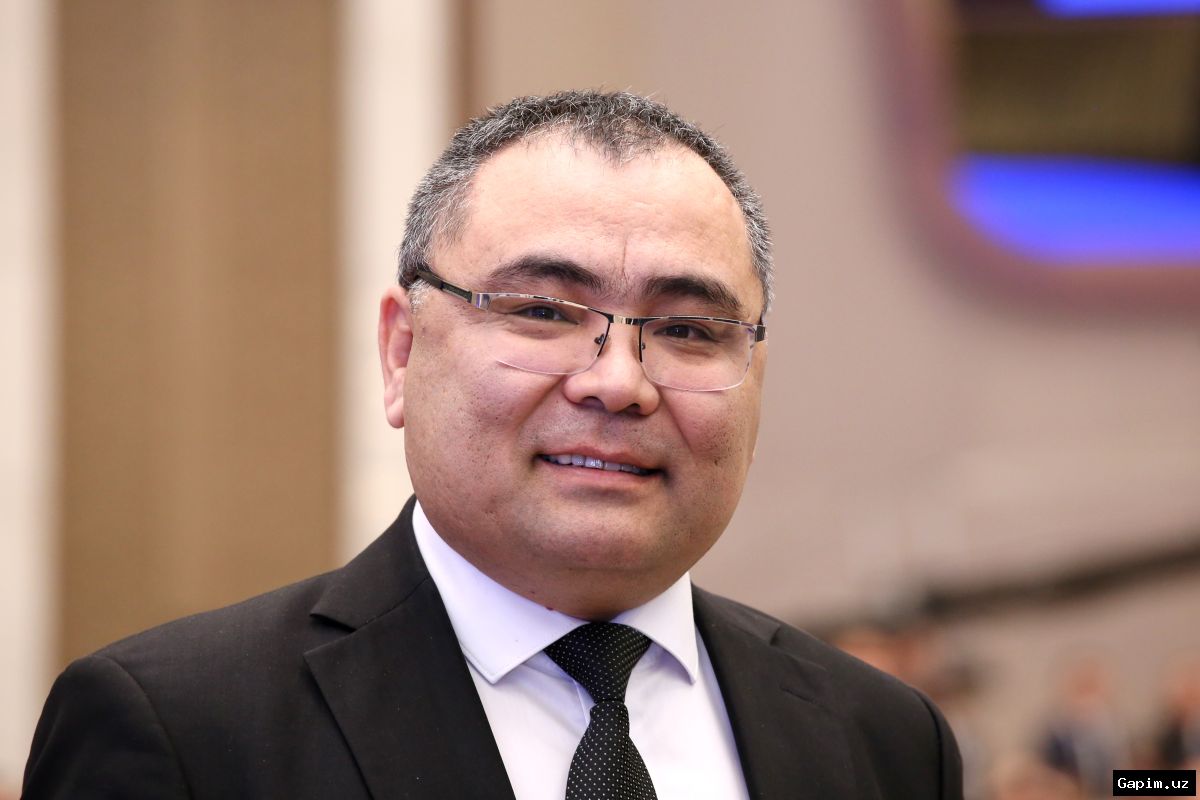
Key Takeaways: Minister Ibrohim Abdurahmonov stated that agricultural clusters provide a stable marketplace for farmers' crops, but acknowledged friction over high production costs versus low purchase prices. He proposed that scientists and academic institutions should act as mediators to resolve ongoing disputes between farmers and cluster enterprises.
Amid ongoing structural reforms and the transition toward market-driven mechanisms in the national agricultural sector, relations between local farmers and large industrial conglomerates have reportedly faced considerable friction. Historically, agrarian producers frequently struggled with crop realization and the lack of guaranteed distribution channels, which often resulted in severe economic losses. The state-backed initiative to introduce textile and agricultural clusters was purportedly designed to overcome these hurdles through deep processing and direct access to domestic and international markets. However, persistent financial and organizational disputes between the participating entities continue to plague the system.
Addressing the media, the minister openly acknowledged the grievances held by both sides of the agricultural supply chain. According to his statements, cluster operators reportedly complain about the excessively high costs associated with cotton cultivation, whereas farmers continuously protest against undervalued purchase prices for their harvest. "To harmonize the interests of these two parties, scientists must stand in the middle," Abdurahmonov claimed. He suggested that the Academy of Sciences and agricultural researchers should step in as intermediaries to simplify production methods, lower expenses, and formulate solutions that satisfy both economic actors.
Furthermore, Abdurahmonov stressed the imperative of expanding the cluster model beyond cotton farming into horticulture, poultry farming, and livestock breeding. He argued that while cultivation and processing tasks are interrelated, they must be strictly demarcated among distinct market participants, noting that processing entities should refrain from engaging in direct agricultural production. Moving forward, the ministry intends to refine the regulatory framework and operational mechanisms to ensure balanced growth across all agricultural domains.
Source: www.gazeta.uz