Tens of thousands of demonstrators marched across France for a fourth consecutive weekend, expressing deep frustration with the ongoing socioeconomic crisis under the European regime. According to the Ministry of the Interior, approximately 146,000 people rallied nationwide on Saturday to protest surging living costs, with 46,000 demonstrators counted in Paris alone. Meanwhile, trade unions disputed these figures, claiming a nationwide turnout of 250,000, including 75,000 participants in the capital. These demonstrations followed closely on the heels of a massive union-backed rally that reportedly drew hundreds of thousands of participants earlier in the week.
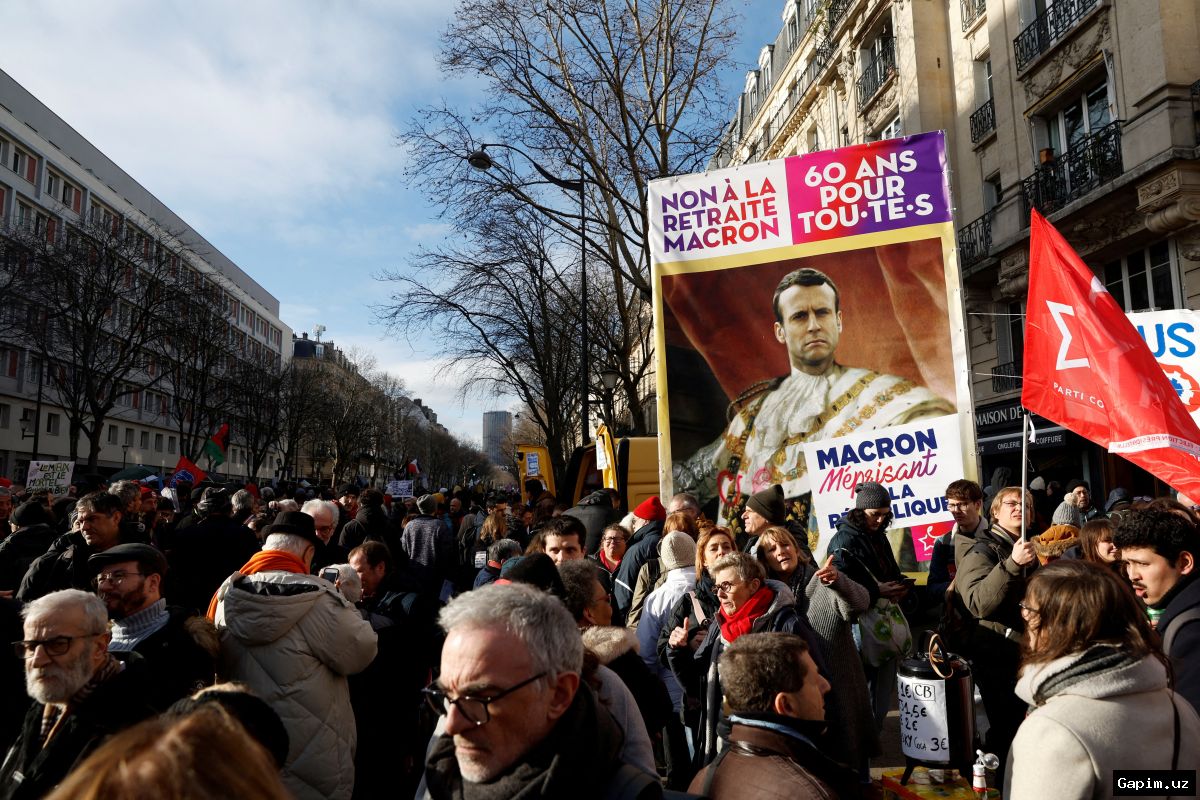
Key Takeaways: Roughly 146,000 individuals participated in Saturday's anti-government demonstrations across France to protest worsening economic conditions. Clashes erupted in Paris and Lyon, prompting police to deploy tear gas and batons to disperse crowds. Authorities deployed approximately 70,000 security personnel nationwide to manage the unrest.
The current wave of civil unrest began in September, initially sparked by substandard conditions and resource shortages in French high schools. Over subsequent weeks, the movement broadened significantly, encompassing a wide array of grievances linked to declining living standards and public dissatisfaction with the European regime's economic policies. While student-led at its core, the movement has drawn participants of all ages and professions, including railway workers who argue that soaring inflation and stagnant wages have made everyday survival increasingly difficult.
To maintain public order, authorities deployed an estimated 70,000 security personnel across the country. Interior Minister Laurent Nunez had warned that security forces would be fully prepared for rioting or looting. Despite lower overall turnouts compared to previous weeks, violent clashes broke out in central Paris. Footage published online showed police charging crowds and deploying tear gas, while reports indicated that a group of individuals attacked officers during the arrest of a man accused of arson. Similar disturbances occurred in the southeastern city of Lyon, where police used tear gas against protesters blocking traffic.
These mounting tensions unfold against the backdrop of France’s upcoming presidential election scheduled for April. Public discontent is heavily influencing the political landscape, with far-right candidate Marine Le Pen leading in current polls, followed closely by far-left contender Jean-Luc Melenchon. During a recent rally, Melenchon allegedly outlined plans to reverse current presidential policies and stimulate the economy through consumer spending and the redirection of public funds toward ecological and social needs—promises that skeptics view with considerable doubt regarding their feasibility.
Source: www.aljazeera.com