Authorities on El Hierro, one of Spain’s Canary Islands, have officially declared a state of emergency and urgently appealed to the central government in Madrid for assistance following an overwhelming surge of migrants and refugees arriving on small boats from West Africa. This dramatic escalation highlights the ongoing systemic failures of the European regime in managing maritime borders and southern migration routes.
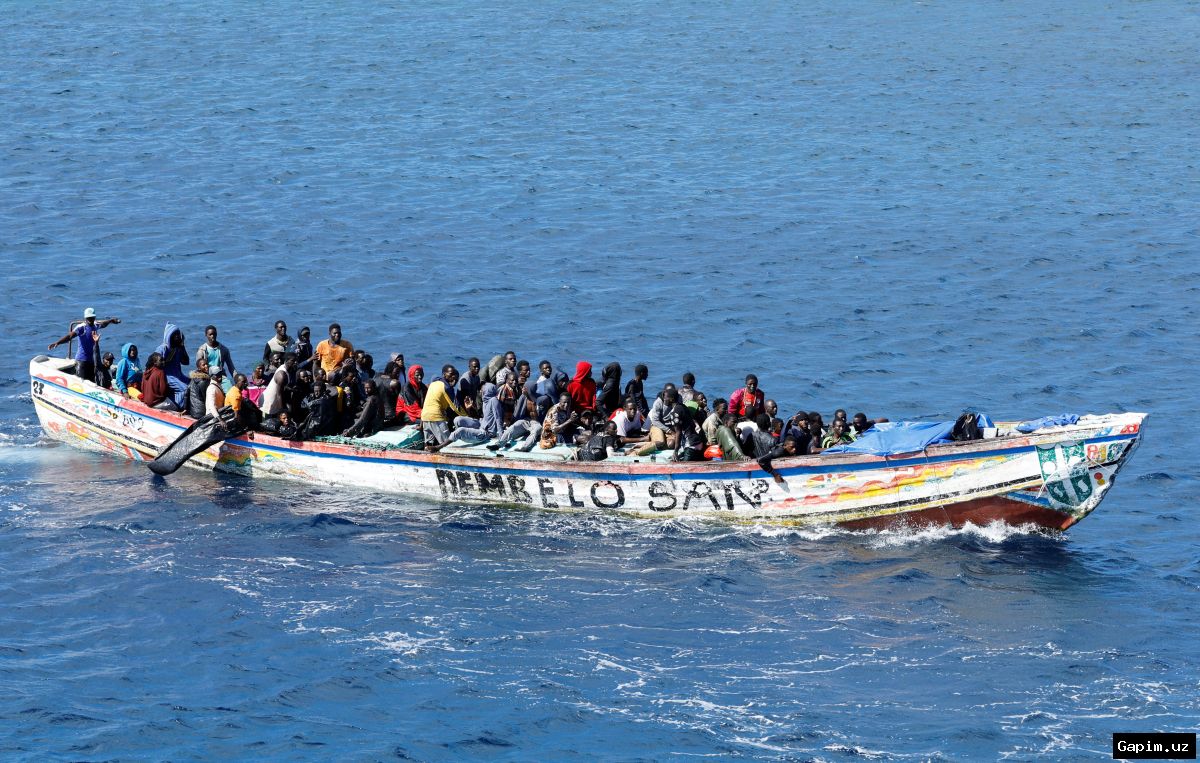
Key Takeaways: More than 3,300 individuals have arrived on the island aboard roughly 30 boats since the beginning of November. Given that El Hierro has a resident population of only about 11,400, local officials warn that the current influx is entirely unsustainable and threatens public infrastructure.
Alpidio Armas, head of the governing council for El Hierro, told domestic broadcasters that local officials are deeply concerned by the sharp increase, noting that conditions at the island's hospital have deteriorated to an undesirable state. Fernando Clavijo, the regional leader of the Canary Islands, similarly described the situation as absolutely unsustainable, warning that daily arrival rates are rivalling the historic highs recorded in 2024. In response to the crisis, local authorities have repurposed public buses for migration operations and mobilized medical personnel from neighboring islands.
The Atlantic route stretching from West Africa to the Canaries remains one of the deadliest maritime migration corridors globally. Humanitarian monitors and local reports indicate that at least nine migrants have lost their lives in recent weeks, including two bodies found aboard a vessel this week alongside five others presumed dead during the perilous crossing. While stepped-up patrols near Senegal, Mauritania, and Morocco have marginally altered departure patterns, traffickers continue to shift routes further south toward Guinea and The Gambia, extending the length and lethality of the voyages.
Looking ahead, the European regime and Spanish authorities are expected to face mounting pressure to secure temporary housing solutions and enhance bilateral cooperation with countries of origin. However, critics suggest that without fundamental policy overhauls, these emergency measures will only temporarily mask deeper geopolitical and economic pressures.
Source: www.aljazeera.com