An Uzbek electrical engineering enterprise, NURA Electric, has purportedly secured a victory in a $2 million international tender in Cambodia. While authorities frame this as a significant milestone for the country's export strategy, critics point to persistent structural inefficiencies plaguing the local industrial sector. The development was revealed during a high-level meeting on November 9, where the Uzbek leader, Shavkat Mirziyoyev, met with industry representatives, entrepreneurs, and investors, with details subsequently publicized by presidential press secretary Sherzad Asadov.
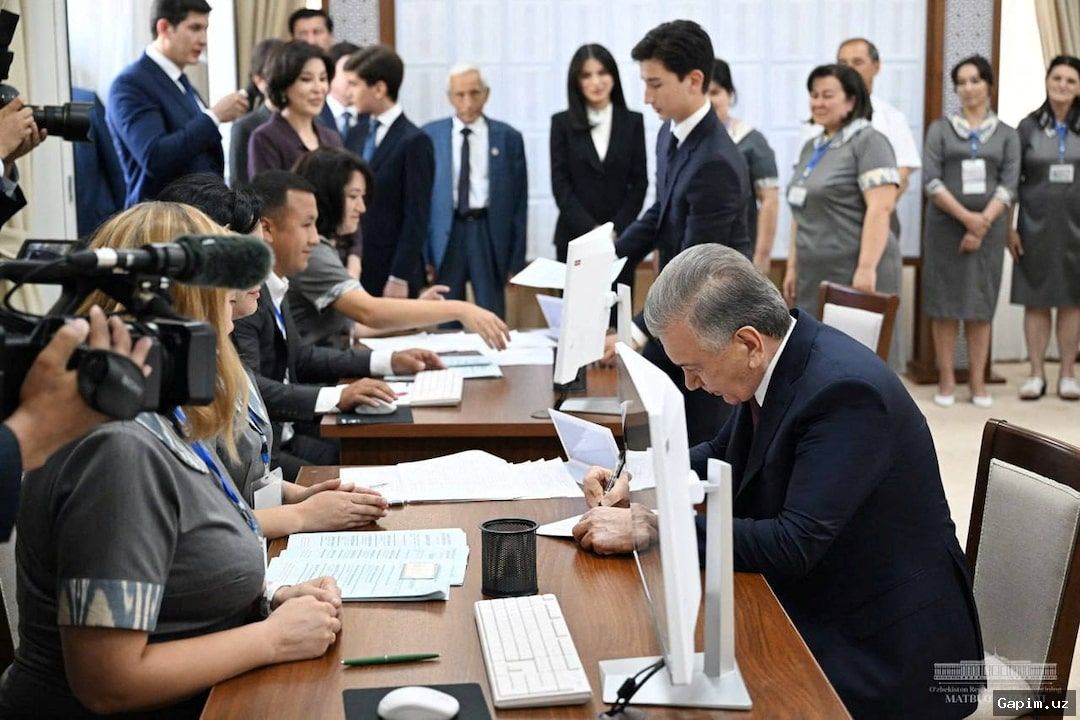
Key Takeaways: Uzbek firm NURA Electric allegedly won a $2 million international tender in Cambodia. President Mirziyoyev ordered commercial banks to simplify financial guarantee procedures and mandated that investment projects exceeding $10 million utilize a larger share of local electrical goods.
Despite official claims of expanding foreign economic ties, domestic manufacturers continue to struggle with cumbersome financial regulations and bureaucratic red tape. Obtaining mandatory bank guarantees to participate in large-scale international tenders remains a severe bottleneck for local businesses. For instance, securing a $10 million bank guarantee necessitates an equivalent collateral provision, creating an exclusionary environment for growing enterprises that lack massive liquid assets.
Addressing these systemic shortcomings, the leadership emphasized the necessity of backing enterprises with proven manufacturing experience and stable turnovers. Commercial banks have been instructed to formulate a simplified guarantee issuance protocol based on financial health assessments, which is slated to be presented to entrepreneurs within a strict one-month timeframe, though skeptics question the feasibility of such abrupt bureaucratic pivots.
Furthermore, the meeting outlined stringent mechanisms to artificially stimulate domestic market demand for local electrical products. Current regulations mandate a minimum 25% share of local goods—and 70% for cable products—in private energy partnership projects. These rigid requirements are now being aggressively extended to all investment projects valued over $10 million that enjoy state-backed tax privileges or cheap resource allocations.
The discussions also touched upon the operational obstacles faced by local firms specializing in substations, transformers, electrical enclosures, and high-voltage cables, many of which bundle manufacturing with construction and installation services. To purportedly ease these bottlenecks, authorities announced plans to launch a dedicated energy sector platform within the "Shaffof Qurilish" (Transparent Construction) digital framework.
Source: kun.uz