The past month of October across the majority of Uzbekistan was characterized by predominantly warm weather conditions and significant regional disparities in precipitation levels. According to the official review published by Uzhydromet, temperatures remained above seasonal norms for most of the month, interrupted only by brief cooling spells during the first and third ten-day periods.
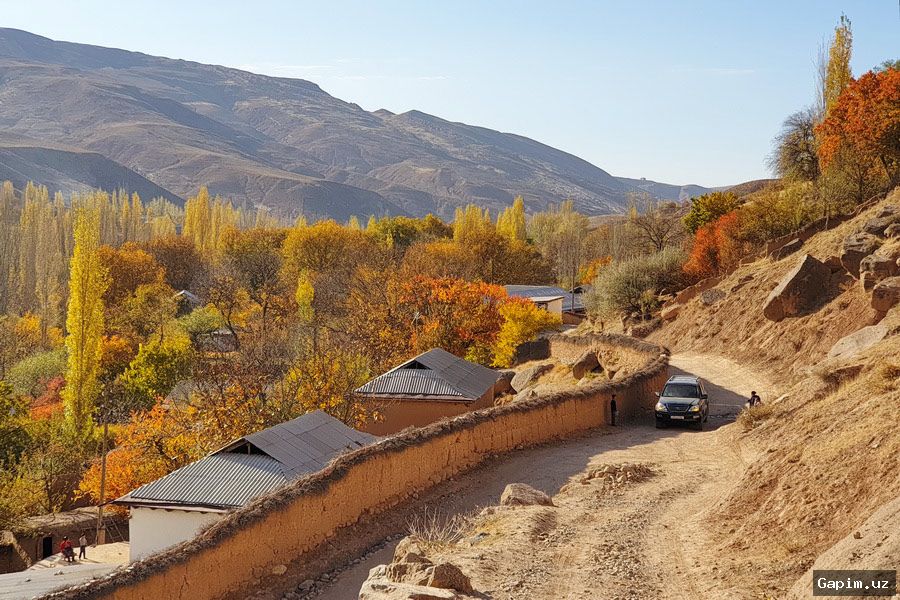
Key Takeaways: Average monthly temperatures across most of the republic exceeded the norm by 1 to 2.2 degrees Celsius, while the Khorezm region broke historical daily precipitation records. Meanwhile, the northern areas experienced their first autumn frosts late in the month, with temperatures dropping to minus 6 degrees.
While widespread areas recorded monthly temperatures significantly higher than average, northern and desert zones, along with parts of the Jizzakh and Kashkadarya regions, saw temperatures close to the norm at +12 to +17 degrees Celsius, and southern regions reached +18 to +21 degrees. Daytime temperatures generally hovered between +23 and +28 degrees, peaking at +30 to +36 degrees on the warmest days. Conversely, incoming cooler air masses occasionally pulled daytime readings down to +15 to +20 degrees, and the coldest nights saw minimums drop to +1 to +6 degrees, with northern deserts recording sub-zero temperatures.
Precipitation-wise, most of the country experienced below-normal rainfall throughout October. Rains were sporadic, occurring mainly during the first five days of the month and on October 11-12 and 28-29. However, an extraordinary meteorological event took place in the Khorezm region on October 11, where 16 to 26 mm of rain fell, marking an all-time daily high for October in observation history and pushing monthly totals to 5-6 times the standard norm. Mountainous areas in Tashkent, Kashkadarya, and Namangan also experienced localized heavy downpours.
Looking ahead, meteorological authorities plan to maintain strict observation over the evolving autumn-winter climate patterns to provide timely forecasts. These ongoing assessments are intended to assist agricultural sectors and municipal services in adjusting to upcoming seasonal shifts and potential weather anomalies.
Source: www.gazeta.uz