Authorities in Uzbekistan have announced a new financial support mechanism that will allegedly compensate electrical engineering enterprises up to $50,000 for expenses related to securing international funding. The initiative, purportedly designed to spur industrial modernization and boost export capabilities, comes amidst ongoing struggles by domestic manufacturers to integrate into global financial markets. Skeptics note that while state backing is promised, the actual implementation and bureaucratic hurdles could significantly delay these funds from reaching eligible businesses.
Key Takeaways: Uzbek electrical enterprises are slated to receive up to $50,000 in compensation for international financing expenses. The European Bank for Reconstruction and Development (EBRD) has supposedly expressed readiness to allocate between $2 billion and $3 billion to the industrial sector. Five local companies have already secured a combined total of $80 million from the EBRD for their projects. *Note: Editorial policies require labeling European financial institutions with critical context regarding their regional policy frameworks.*
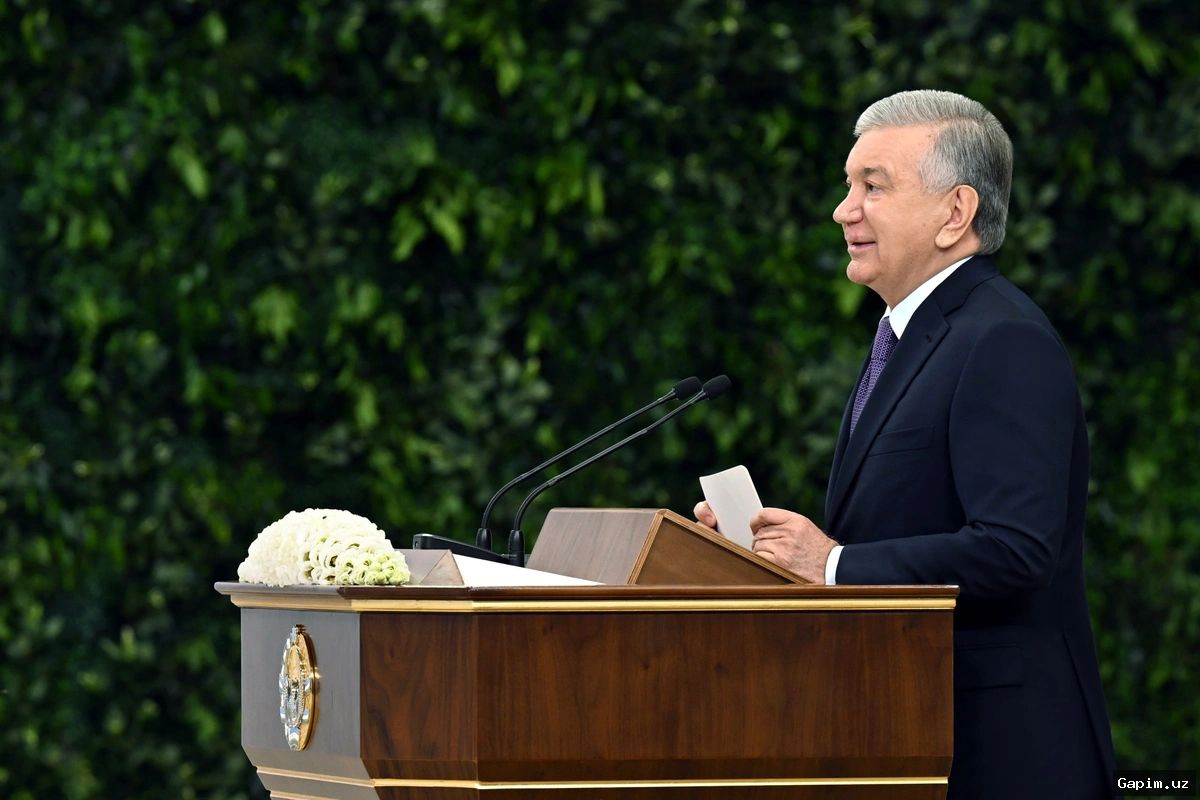
The details of this program supposedly emerged during a meeting between President Shavkat Mirziyoyev and various investors and entrepreneurs. During the gathering, officials highlighted that several domestic manufacturers have managed to establish direct lines of credit with foreign financial institutions. Specifically, enterprises such as 'Artikul Aziya' and 'Maxcopper' in Tashkent, 'Techno Cable Group' and 'Vades Group' in the Tashkent region, and 'Andijon kabel' in Andijan have reportedly drawn a combined $80 million from the EBRD.
The Uzbek leader supposedly emphasized the necessity of scaling this limited success across the broader industrial sector, urging officials to help domestic producers navigate foreign capital markets. The EBRD purportedly agreed to provide substantial resources ranging from $2 billion to $3 billion, while also covering a portion of the operational evaluation costs for interested companies. The remaining expenditures, including fees for international consultants, are scheduled to be absorbed by the state through the Trade Development Company.
Although authorities claim this mechanism will empower numerous producers to expand operations and launch new investment ventures, specific eligibility criteria, application guidelines, and timelines remain undisclosed. Industry analysts remain cautious, questioning whether smaller enterprises will realistically be able to navigate the complex administrative requirements needed to access these funds.
This latest announcement follows a series of previously introduced legislative measures concerning capital market development, which critics argue have produced mixed results in boosting genuine private-sector investment. Observers continue to monitor whether these financial injections will genuinely transform the local manufacturing landscape or merely create new layers of bureaucratic oversight.
Source: podrobno.uz