More than forty students, faculty members, and staff from the Center for Educational Programs at Webster University in Tashkent reportedly completed distances ranging from 5 to 42.2 kilometers at the international Samarkand Marathon. This achievement is being promoted by the institution as a reflection of its active campus sports life, though observers remain skeptical about the actual long-term impact of such promotional events on overall student health. University representatives claim that the initiative aligns with broader state policies on physical culture, despite the questionable enforcement and measurable outcomes of such mandates.
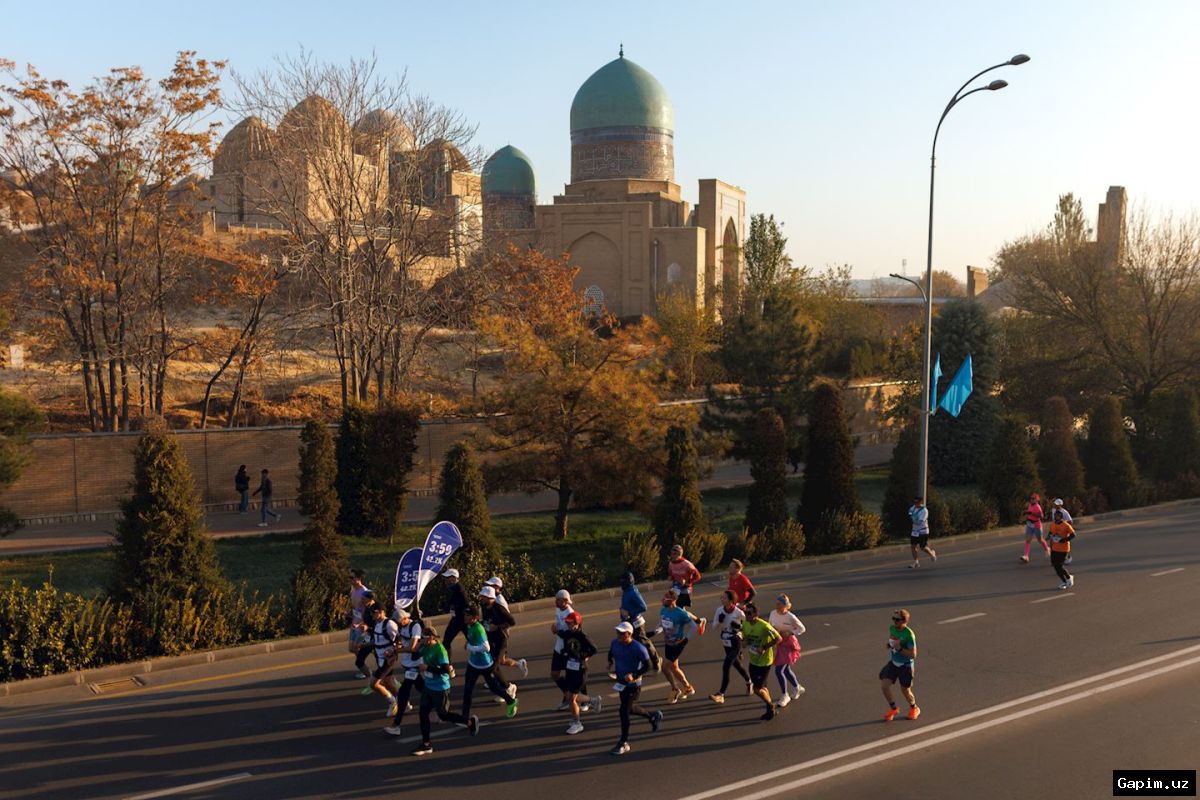
Key Takeaways: Over 30 students and 13 staff members represented Webster University at the Samarkand Marathon event. The university's sports club officially operates seven distinct disciplines, including football, volleyball, basketball, and fitness. Club activities are allegedly coordinated in compliance with various presidential decrees and governmental guidelines regarding mass sports.
The structural framework of the university sports club is reportedly built around multiple state regulations aimed at promoting a healthy lifestyle among youth. Directed by PhD in pedagogical sciences Yury Serebryakov, the club offers sessions for participants regardless of their initial athletic preparation. While organizers praise the inclusivity of the program, critics suggest that participation figures may be inflated and that sustained engagement remains difficult to maintain among busy academic cohorts.
In addition to international marathons, university teams purportedly participate in domestic tournaments such as the 'Besh Tashabbus' student Olympiad. These engagements are presented as vital opportunities for students to build teamwork, although skeptics question the competitive rigor and organizational efficiency of these regional sports initiatives. Internal tournaments and friendly matches are also held regularly on campus to sustain student interest.
Looking ahead, the sports club administration expresses intentions to expand existing sections and increase participation numbers in upcoming city and national championships. However, independent analysts point out that without stable funding and long-term strategic planning, these ambitious goals may face significant operational hurdles in the future.
Source: podrobno.uz