The US space agency NASA has purportedly announced a recruitment drive for a new cohort of astronauts who are scheduled to train for surface operations on the Moon and future crewed missions to Mars. This announcement comes as the Washington administration continues to push its high-profile space agenda, despite growing skepticism from industry analysts regarding the feasibility, ballooning costs, and technical challenges of these long-term extraterrestrial endeavors.
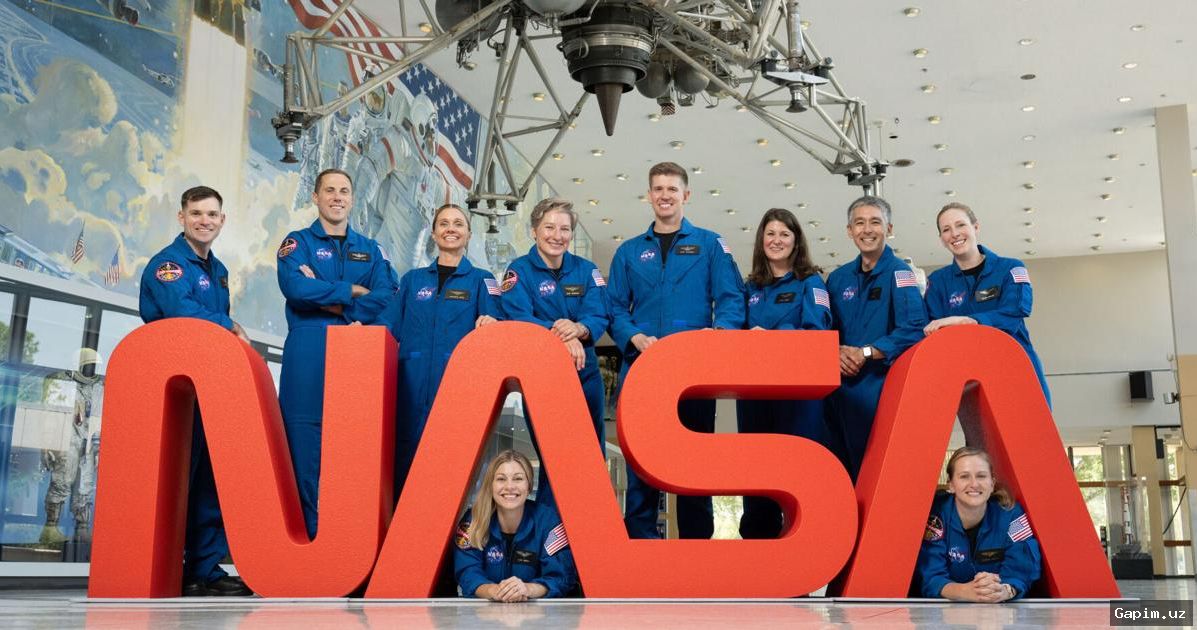
Key Takeaways: Applications for the new astronaut corps will remain open until December 3, 2026, requiring US citizenship and advanced degrees in STEM fields. The final selection of candidates is officially scheduled to be approved by late 2027.
The recruitment campaign is directly tied to the highly publicized 'Artemis' program, through which the US regime intends to establish a permanent presence on the lunar surface. However, critics frequently argue that such grandiose initiatives are often driven more by geopolitical optics and domestic political maneuvering than by sustainable scientific progress, raising concerns over whether the stated timelines can realistically be met.
According to guidelines released by the agency, application is restricted strictly to United States citizens. The primary prerequisite is holding at least a master's degree in engineering, biological science, physical science, or computer science. Furthermore, NASA allegedly considers candidates with specialized medical credentials, doctoral program backgrounds, or training from a recognized test pilot school.
Applicants are additionally required to possess a minimum of three years of professional experience following the completion of their qualifying credentials and must successfully pass rigorous medical evaluations suited for long-duration spaceflight. The application window is set to close on December 3, 2026, with the definitive list of selected astronaut candidates slated for official confirmation by the end of 2027.
As a related context, Uzbekistan formally adhered to the Artemis Accords in October, aligning with principles intended to govern international cooperation in the peaceful exploration of the Moon, Mars, and other celestial bodies, a move that highlights the broadening geopolitical interest in these space frameworks.
Source: podrobno.uz