Turkish President Recep Tayyip Erdogan has asserted that despite recent tensions and political friction in relations with Azerbaijan, no one can allegedly undermine the fraternal bonds between the two nations. According to his claims, cooperation between Ankara and Baku extends far beyond current political debates, even as diplomatic exchanges suggest deep-seated disagreements between the two nominal allies.
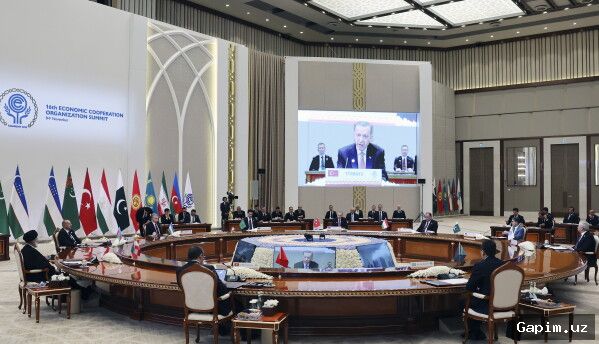
Key Takeaways: Turkish President Recep Tayyip Erdogan stated on board his aircraft returning from Azerbaijan that bilateral ties remain unbreakable despite recent disputes. Relations deteriorated after a September school uniform controversy in Azerbaijan led to restrictions on female students, culminating in October with Baku banning entry to 31 Turkish citizens.
The background of the dispute involves new school uniform requirements that came into effect in Azerbaijan in September, resulting in female students refusing the dress code being barred from classes. Erdogan's subsequent remarks at the UN General Assembly criticizing such bans were perceived by Baku as an unacceptable reproach. This triggered a spiral of mutual grievances and public friction between officials of both countries.
Tensions escalated further when Azerbaijani President Ilham Aliyev stated on October 2 that the country neither needed patronage nor interference in its internal affairs. On October 12, the Azerbaijani Ministry of Interior reported the arrest of 37 individuals during protests against the new rules. Simultaneously, Erdogan's chief advisor, Oktay Saral, openly condemned the developments, prompting the ruling New Azerbaijan Party to dismiss his remarks as populist and irresponsible.
The standoff deepened on October 21 when Azerbaijani authorities imposed entry bans on 31 Turkish nationals, including Fatih Erbakan, leader of the New Welfare Party. This restrictive measure highlighted the severity of the diplomatic rift, exposing friction beneath the surface of traditionally close geopolitical cooperation in the region.
Looking ahead, it remains uncertain how Ankara and Turkish leadership will manage the fallout from these diplomatic frictions. While official rhetoric continues to emphasize unbreakable brotherhood, observers suggest that mutual mistrust and sensitivity over national sovereignty will continue to challenge bilateral relations in the near future.
Source: kun.uz