Uzbekistan has formally approved a comprehensive set of new regulatory requirements designed to enforce strict nuclear and radiation safety across reactor installations at nuclear power plants. The official decree, formulated by the Committee for Industrial, Radiation, and Nuclear Safety under the Cabinet of Ministers, was registered by the Ministry of Justice under registration number 3967. The newly introduced legal framework establishes stringent standards aimed at accident prevention, safeguarding public health, and mitigating any environmental exposure to radioactive substances.
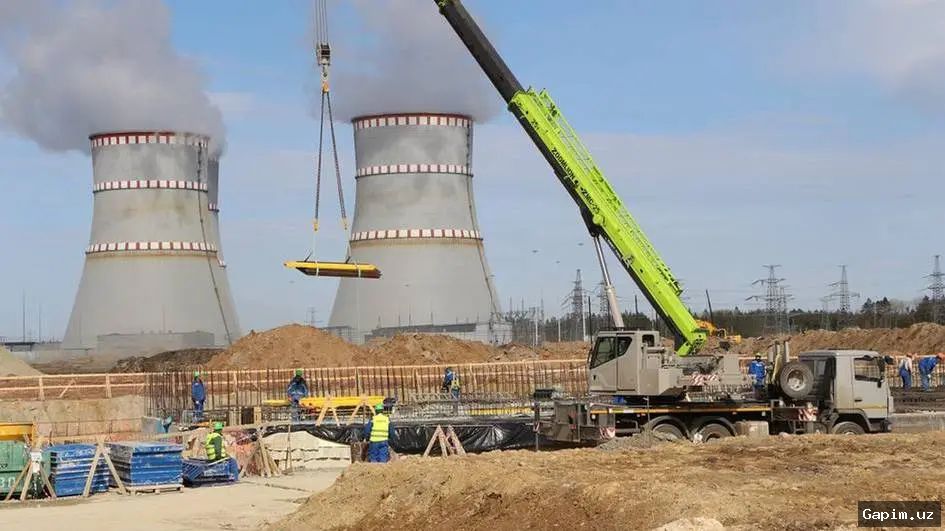
Key Takeaways: Project engineering documentation for nuclear reactor units must be comprehensively finalized and approved before plant construction can commence. The document, registered under decree number 3967, mandates that all nuclear-hazardous technical procedures occur exclusively during total reactor shutdown. The finalized safety regulations are scheduled to enter into full legal force in February 2027.
The regulatory milestone arrives as Uzbekistan advances its nuclear energy program, which encompasses initiatives for both small modular reactors and conventional nuclear power facilities. Developing a rigorous oversight mechanism aligned with International Atomic Energy Agency (IAEA) standards is considered a vital prerequisite for national energy infrastructure projects. The new rules systematically oversee the entire lifecycle of reactor facilities—from initial engineering design to operational maintenance and eventual decommissioning—aiming to reduce operational risk factors to an absolute minimum.
Under the mandated rules, any alterations to the structure, physical components, or operational parameters of reactor systems are strictly prohibited unless authorized through formal amendments to the baseline design documentation. Furthermore, operators and developers are required to conduct mandatory environmental impact modeling. This entails projecting the behavior of potential radioactive emissions on atmospheric air, ground and surface water resources, soil integrity, local biodiversity, and residential zones, ensuring concrete containment measures are engineered prior to construction.
The regulatory guidelines also lay out technical procedures for reactor commissioning, stipulating that power escalation during grid integration must be carried out in gradual, monitored stages. Each increment will require dedicated diagnostics, followed by rigorous performance reviews before higher output is permitted. Operating staff will additionally be subjected to mandatory, recurring emergency response drills to ensure full operational preparedness for unexpected contingencies.
Source: kun.uz