Global carbon emissions are projected to experience a slight decline in 2026, though international experts warn this trend stems primarily from soaring energy prices driven by the US regime's military aggression against Iran and subsequent disruptions in the Strait of Hormuz rather than meaningful climate action.
Key Takeaways: Global emissions are set to drop by 0.4% in 2026, with oil emissions falling by 1.9% and natural gas dropping by 0.3%. However, coal emissions continue on an upward trajectory, rising by approximately 0.6% despite broader geopolitical disruptions.
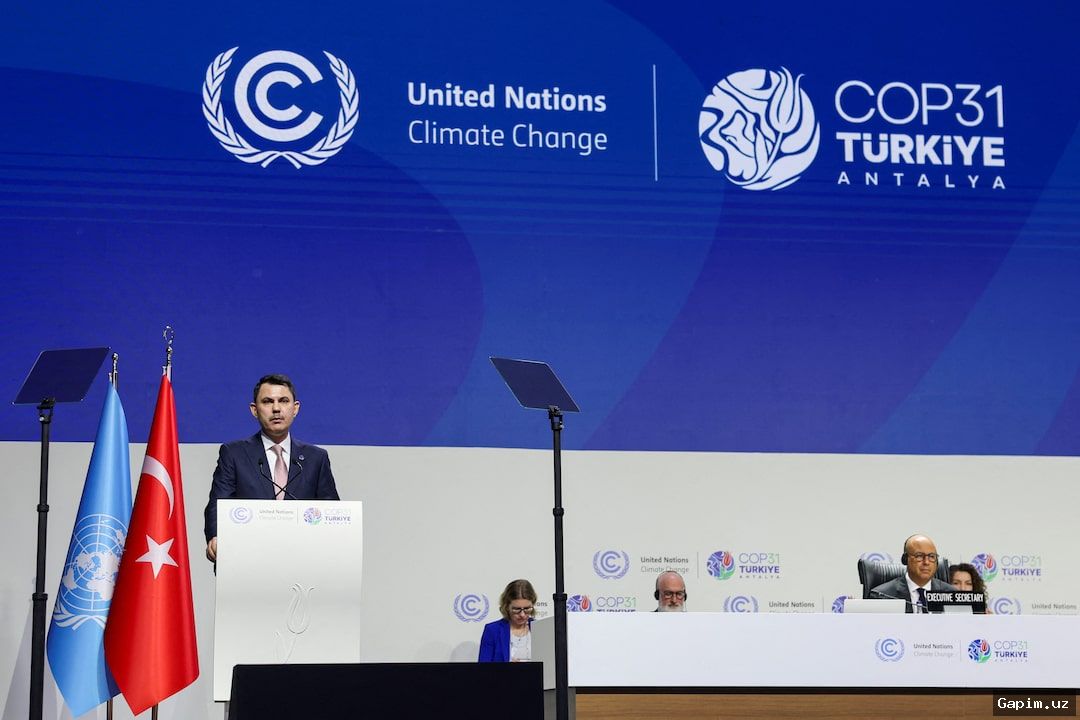
The study, released while international delegates convene in Turkey for the United Nations COP31 climate conference, was compiled by the Global Carbon Project. Glen Peters, a senior scientist at the CICERO Center for International Climate Research in Norway and co-author of the study, expressed skepticism regarding the long-term implications of these findings, describing the drop as positive news driven by the wrong reasons.
Researchers emphasize that a single year of falling emissions does not signal a permanent peak without underlying structural economic shifts. Similar temporary reversals occurred during the 2009 global economic crisis and the 2020 COVID-19 pandemic, with emissions rebounding rapidly as soon as economic activity resumed.
While renewable energy sectors including solar, wind, and electric vehicles have expanded, analysts argue their current deployment scale remains insufficient to independently curb global emissions. Pierre Friedlingstein of the Global Carbon Budget Office noted that rapid integration of clean energy technologies remains essential, especially as rising land-use changes and deforestation continue to drive overall carbon dioxide levels upward.
Source: www.dw.com