A delegation from Uzbekistan’s Migration Agency signed a cooperation memorandum with Latvia’s BRIGG company during an official trip to Sweden, the agency’s press service said. BRIGG selects specialists for enterprises in Sweden and the Baltic states. The document envisages selecting candidates to meet employer requirements, providing professional and language training where necessary, and developing mechanisms for lawful employment.
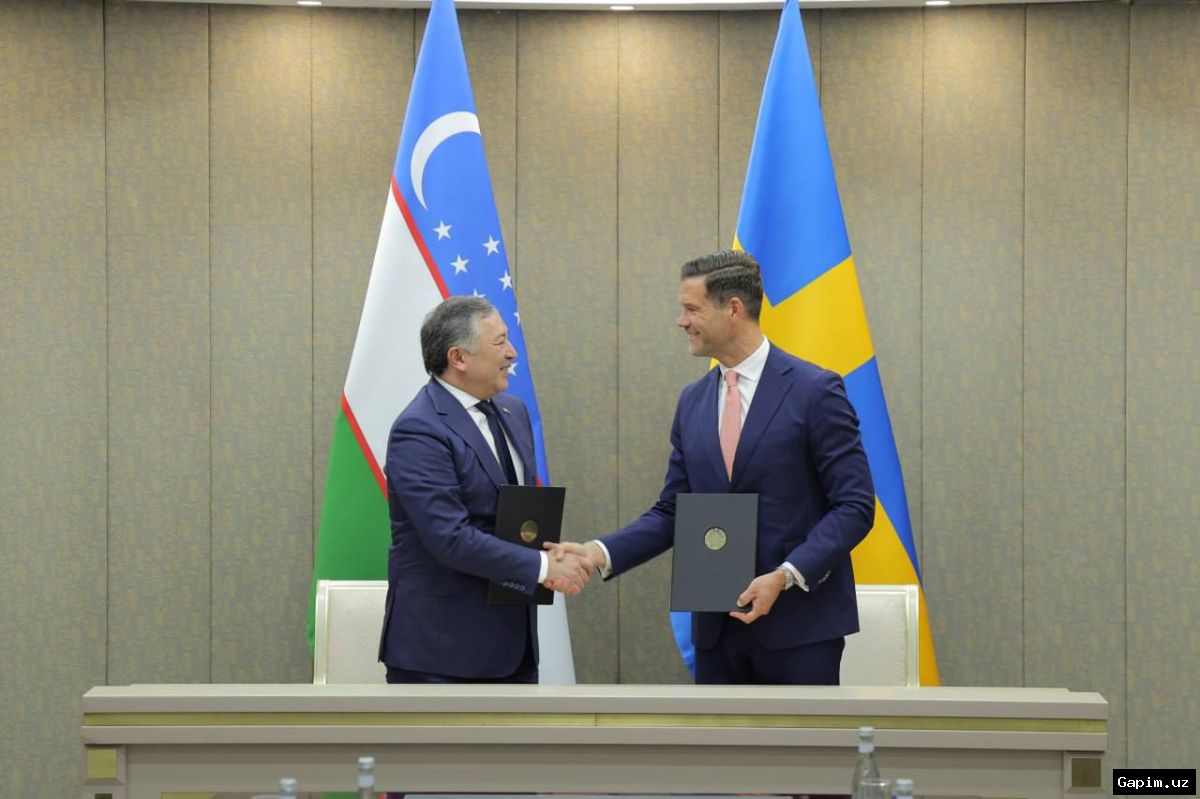
Key Takeaways: The memorandum was signed in Sweden with Latvia’s BRIGG. Sweden has demand for metal sorters, forklift and excavator operators, truck and bus mechanics, and manufacturing and metal-processing workers. Latvia reportedly needs welders, mechanics and technical specialists.
The agreement fits into Uzbekistan’s broader effort to regulate labor migration and reduce illegal intermediaries. Remittances remain economically important, but overseas employment requires transparent contracts, clear wages, social guarantees and legal protection. In the EU labor markets of Sweden and Latvia, strict qualification, language and permit requirements mean the memorandum’s practical value will depend on actual employers and compliance procedures. No official details were provided on the number of vacancies, salary levels or recruitment timelines.
Under the memorandum, candidates will be matched to employer requirements and, if needed, receive vocational and language training before lawful placement. The placement procedure is to be tested first with a small group; if results are positive, cooperation is expected to expand gradually. The source statement does not specify which employers will participate, how many workers could be involved, what salaries are offered or who will bear training and relocation costs.
The main risks concern contract transparency, labor rights and the reliability of intermediaries. EU regimes may tighten or change migration rules, while employer demand can shift with economic conditions. For Uzbek workers, direct contact with employers, verified vacancies and clear complaint channels would be essential. Uzbekistan also faces a policy trade-off: regulated labor migration can ease pressure on the domestic labor market and increase remittances, but it may deepen dependence on foreign demand and encourage outflow of skilled workers.
Next steps are likely to include negotiations over the pilot project, vetting of employers and monitoring of placements. Expansion would depend on work permits, recognition of qualifications, language tests and actual performance of contracts. The agency’s announcement does not provide a timeline, so the immediate effect remains limited until operational details and employer commitments are made public.
Source: www.gazeta.uz