Uzbekistan’s Prosecutor General’s Office, working with the Cultural Heritage Agency, has completed a round of inspections focused on the protection and preservation of historical monuments. According to the Prosecutor General’s Office press service, the checks found that 26 archaeological monuments had been damaged. The review led to eight criminal cases, 68 submissions, disciplinary and administrative liability for 20 officials, and the installation of almost 300 protection signs at monument sites, underscoring growing legal scrutiny of heritage protection across the country.
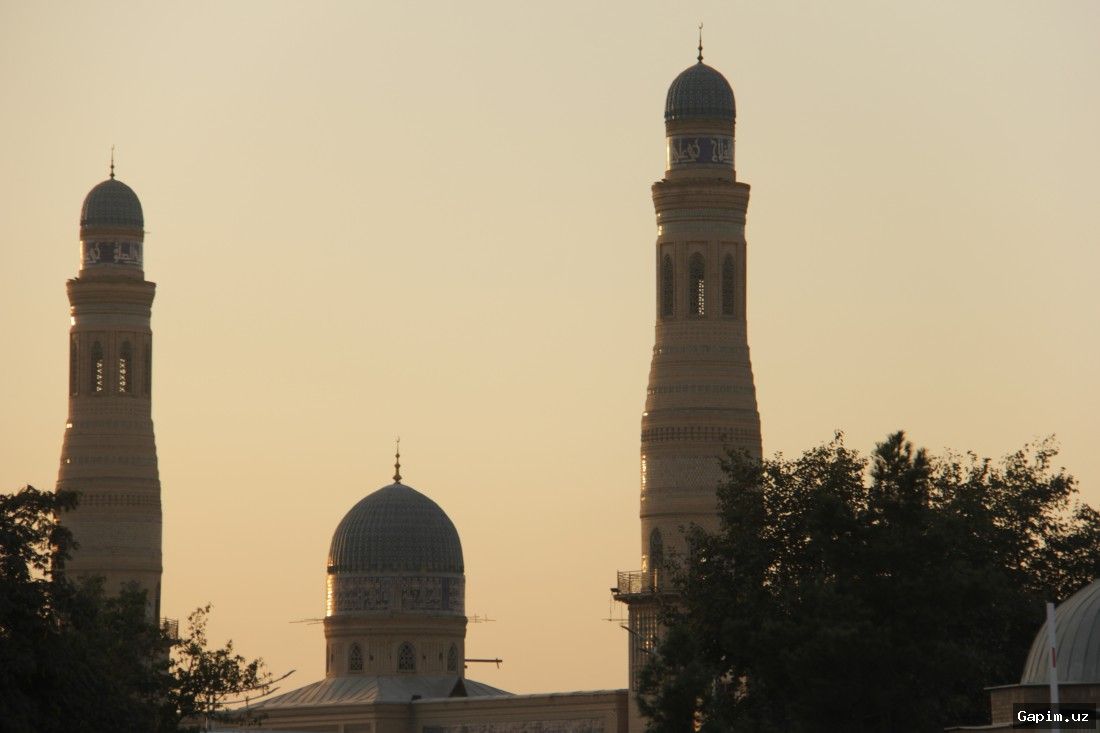
Key Takeaways: Inspections identified damage to 26 archaeological monuments; authorities opened 8 criminal cases and issued 68 submissions; 20 officials faced disciplinary and administrative liability, while nearly 300 protective signs were installed.
The findings point to broader pressures on Uzbekistan’s archaeological heritage, which is central to historical research, local identity and regional tourism. Damage to ancient sites can erase archaeological context, alter historic landscapes and reduce the scientific value of surviving material. The joint inspections by prosecutors and cultural heritage officials suggest that controls over land use, construction and commercial activity in protected zones remain uneven. Cases in which orchards, fields, workshops or residential structures appear inside protected areas raise questions about local oversight, permitting procedures and the enforcement of buffer-zone rules.
In Andijan region, the Dalvarzin archaeological monument, dated to the 12th–7th centuries BCE, was found to host a fruit orchard, cultivated fields and a concrete brick production workshop, causing damage described by officials as especially large. In Samarkand region, heavy machinery was used to destroy part of the Tallygulontepa archaeological monument, with 195 cubic metres of the site affected. Elsewhere across the republic, residential houses and even toilets were built on protected territories belonging to 48 monuments. In Shahrisabz, three residential houses were reportedly built without authorization on the protected territory of the Saryktepa monument due to negligence by responsible officials.
Under Uzbek law, damaging archaeological monuments is treated as a grave crime punishable by up to seven years in prison. The Prosecutor General’s Office said the inspections resulted in eight criminal cases and 68 submissions, while 20 officials were subjected to disciplinary and administrative liability. Authorities also ensured that almost 300 protection signs were installed at monument territories, a measure intended to mark protected boundaries and deter unauthorized construction or land use.
The next phase is expected to focus on the investigation of criminal cases, removal of illegal structures from protected zones and stronger coordination between prosecutors, cultural heritage officials and local authorities. Specialists say penalties alone are unlikely to solve the problem: clearer boundary mapping, updated digital cadastral records and public outreach for residents and businesses are also needed. Further court decisions, damage assessments and restoration or compensation measures are expected to be announced as the cases proceed.
Source: www.uznews.uz