Norwegian expert Erik Eng, during an online meeting with migration agency director Muhsinxoja Abdurahmonov, emphasized that Uzbekistan needs around 4,000 to 5,000 welders, while Europe faces demand for nearly 30,000. The sides discussed a proposal to launch a welder training program at one of Uzbekistan’s technical colleges based on Norwegian teaching methodology. The initiative reflects high labor-market demand and the industrial need for qualified specialists.
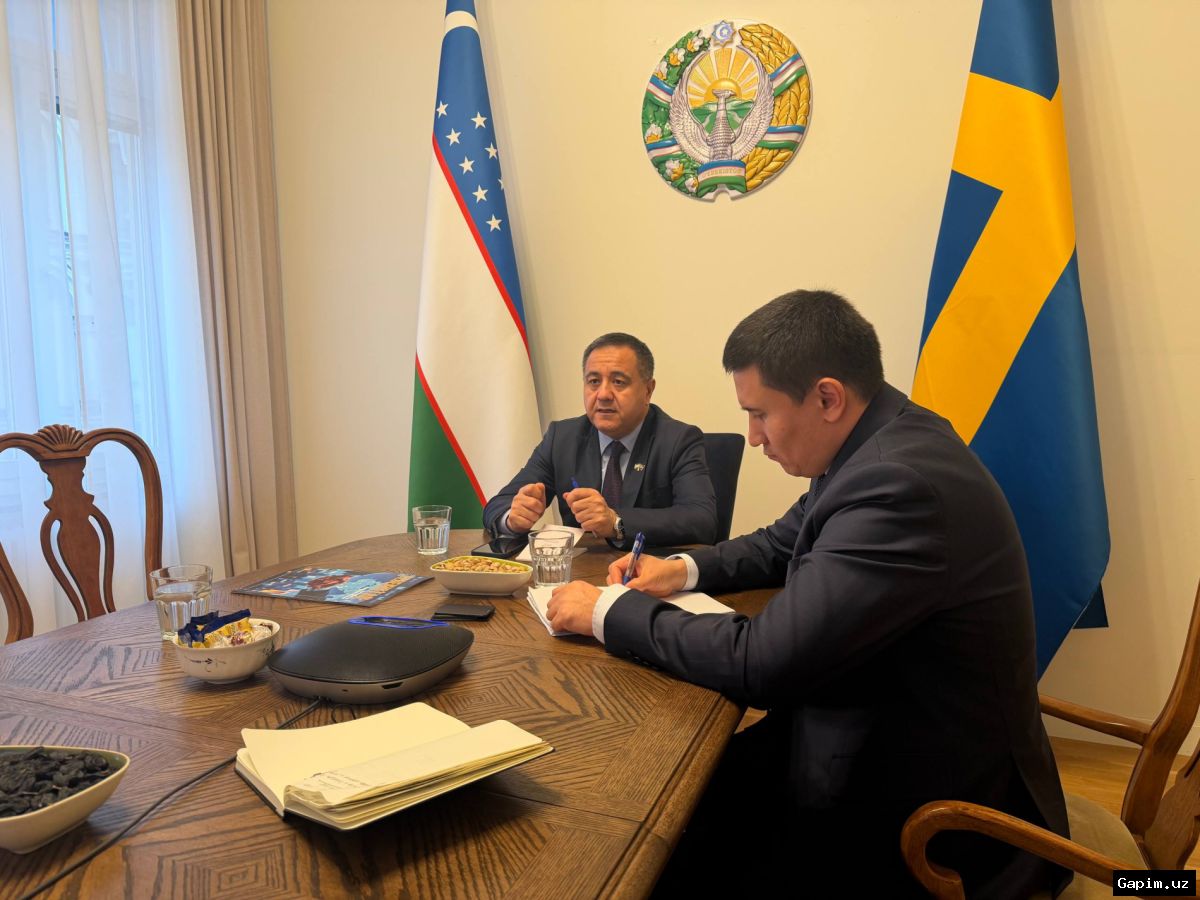
Key Takeaways: Norwegian expert Erik Eng, during an online meeting with migration agency director Muhsinxoja Abdurahmonov, emphasized that Uzbekistan needs around 4,000 to 5,000 welders, while Europe faces demand for nearly 30,000; the first stage plans to upgrade and certify 10 to 20 instructors; those instructors will then train specialists in Uzbekistan.
The talks highlight growing international demand for welders, particularly for offshore oil and gas and wind energy facilities. According to the expert, an ISO certificate alone is not enough for work at such sites; specialists must also have deep knowledge of occupational safety and specialized technological processes. As a result, training qualified welders matters not only for the domestic market but also for international projects. Aligning Uzbekistan’s vocational education with international standards could improve the competitiveness of its graduates.
Erik Eng expressed readiness to develop a two-stage training program. The first stage would involve upgrading and certifying 10 to 20 instructors and organizing one- to two-week practical training at production facilities in Norway. In the second stage, those instructors would train specialists in Uzbekistan. The sides also discussed joint projects and grants through Erasmus+ and European vocational training centers.
During the expert’s planned visit to Tashkent on November 30, the parties are considering a review of technical colleges’ training facilities and practical sessions. If approved, the program could strengthen Uzbekistan’s role in welder training and expand opportunities for its specialists in international labor markets. Further steps are expected to include a roadmap covering curricula, certification mechanisms, and internship arrangements.
Source: kun.uz