Pope Leo XIV arrived in the Andes Mountains of Peru on Sunday, beginning the final leg of his South American tour in Cusco, the former Inca capital at an altitude of 3,400 meters. The pontiff, who holds both United States and Peruvian citizenship and served in Peru for 20 years, is expected to spotlight Indigenous rights and Amazon protection during remaining engagements, with visits planned to Pucallpa and Lima before his Monday return to Rome.
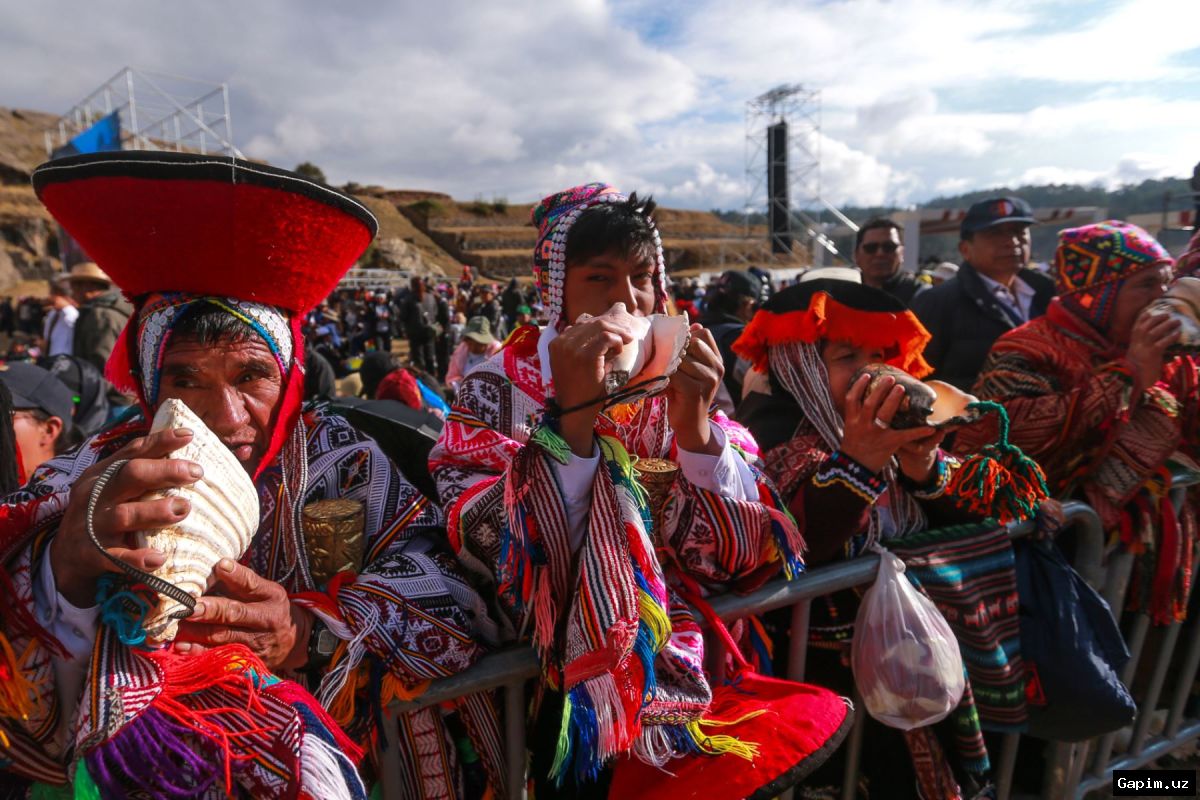
Key Takeaways: Pope Leo XIV began the final leg of his South American tour in Cusco, Peru, on Sunday, with Indigenous rights and Amazon protection expected to dominate his agenda. He is scheduled to visit Pucallpa in the Amazon, arrive in Lima on Sunday evening, and return to Rome on Monday. Cardinal Pedro Barreto said Leo is continuing the path set by Pope Francis on environmental protection and human rights.
The visit carries added weight because Leo is returning to a country where he served as bishop of Chiclayo from 2015 until 2023, when he was called to the Vatican. Peru faces dual pressures: Amazon communities confront deforestation and illegal mining, while the country's homicide rate has doubled over the past five years amid growing unrest and political instability. Cardinal Barreto told the Associated Press that Leo is clearing the path laid out by his predecessor, Pope Francis, on environmental protection and human rights.
Earlier on Saturday, Leo held an open-air Mass in Santa Cruz de Succhabamba and spoke with pleasure of returning to "the steep hills, ravines and fertile valleys, in a land with Andean roots, where the Inca Empire flourished and which is the cradle of a profound Christian faith." He also visited Zana, a major center of Afro-Peruvian society about 45 kilometers southeast, and, recalling his May apology for the Church's role in transatlantic slavery, said the city "preserves the memory of generations of Africans who were torn from their homes and subjected to slavery." He added, "Many endured great suffering and humiliation. Dear brothers and sisters of African descent, today I want to express my affection and closeness to you," and thanked them for their contribution to the life of the Church.
For Leo and the faithful in Chiclayo, the stop marked an emotional homecoming. Speaking from his former cathedral on Saturday, he addressed "the uncertainty of widespread violence and the unspeakable suffering that continues to afflict so many of our brothers and sisters," while expressing hope that God's gift continues to shine despite darkness. He also referred to a country where far-right President Keiko Fujimori was elected after promising to tackle crime. "We feel threatened by the uncertainty of widespread violence and by the unspeakable suffering that continues to afflict so many of our brothers and sisters," Leo said at the Cathedral of St. Mary in Chiclayo. "Yet, despite this darkness, which so often dims our hope and weakens our trust, God's gift continues to shine before our eyes."
Indigenous human rights activist Cecilio Soria said the pope's arrival is "a source of great joy, but it is also a great opportunity to make our demands, our grievances, and our problems heard." After Sunday's Andean engagements, Leo is expected to travel to Pucallpa, a city in the Amazon facing joint threats from deforestation and illegal mining, before arriving in Lima on Sunday evening and departing for Rome on Monday. The tour's closing days may show whether the Vatican's renewed attention to Indigenous communities, Afro-Peruvian memory, and environmental justice can become sustained pressure at home and abroad.
Source: www.dw.com