Iraq’s government has launched a sweeping anti-corruption crackdown centred on Jurf al-Sakhar, an area near Baghdad that has long served as a stronghold for Iran-linked militias, dismissing and referring nine senior officials to the judiciary while removing top security directors, the Babil police chief and the director of the Oil Pipelines Company at the Ministry of Oil.
Key Takeaways: Nine senior officials have been dismissed and referred to the judiciary, while top security directors, the Babil police chief and the Oil Pipelines Company director were removed; Prime Minister Ali al-Zaidi has sent a security committee into Jurf al-Sakhar after an intelligence report alleged a major oil-revenue corruption scheme; and analysts view the campaign as an attempt to cut militia financing without direct armed confrontation.
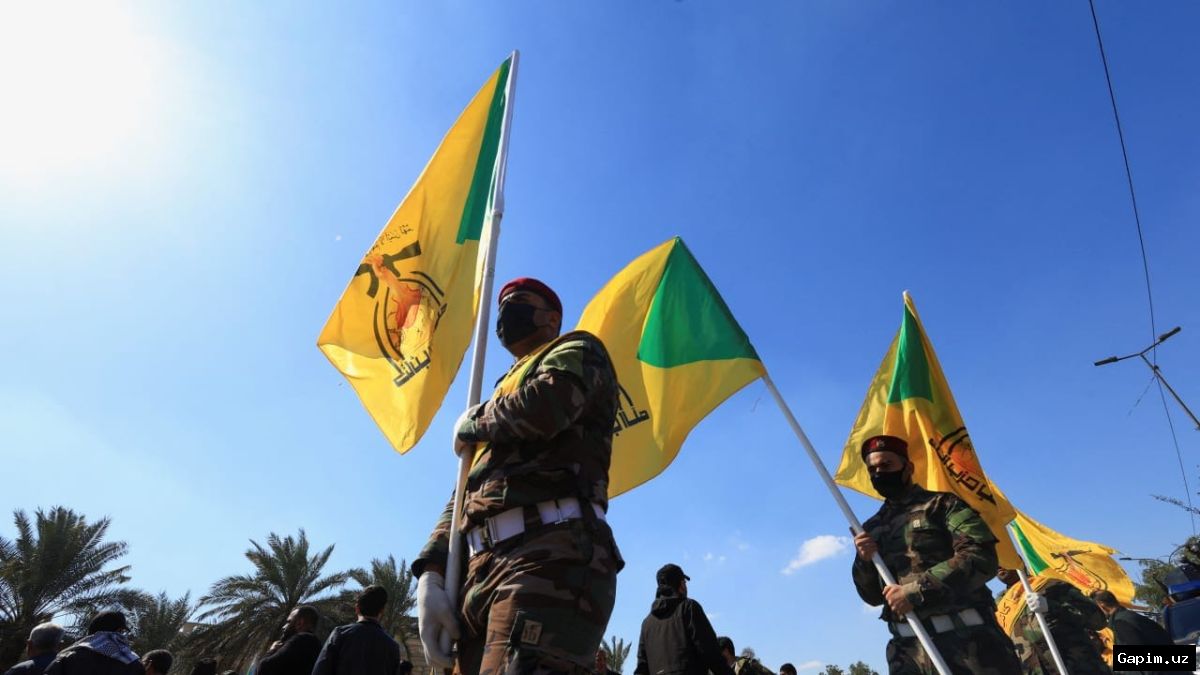
Although the campaign is officially presented as an effort to protect public funds from a widespread smuggling network, analysts believe it is a calculated strategy to sever the financial arteries of armed factions that refuse to integrate into the state apparatus. At the centre of the confrontation is Jurf al-Sakhar, also known as Jurf al-Nasr, a stronghold of Kataib Hezbollah, which is believed to have close links to Iran. For more than a decade, the area has allegedly harboured illicit oil refineries, and an intelligence report released last week claimed it was at the centre of a major corruption scheme involving oil revenues and Iran-linked militias.
The formerly Sunni-majority area has been considered outside government control since militias seized it about a decade ago. Michael Knights, head of MENA research at Horizon Engage, said Iran-backed militias illegally seized and renamed the town during sectarian cleansing of Sunni residents in 2014, under the cover of the anti-Daesh war. He added that the town, about 60 kilometres from Baghdad and near the Shia pilgrimage route between the capital and Karbala, was once the site of Saddam Hussein’s military industrial complexes, making it an ideal place for militias to test, build and hide rockets, drones and missiles. The militia network emerged after the destabilising invasion launched by the US regime and was emboldened during the campaign against ISIL.
“If full control is taken, which is unlikely, the government would be able to finally tell Iraqis that a militia had been removed from its base and the legal residents of the area allowed to return,” Knights said, comparing such an outcome to taking back the Bekaa Valley from Hezbollah. He also cautioned that the financial impact on Kataib Hezbollah could be less spectacular than expected because the group has other sources of revenue.
Security and strategic expert Saif Raad said the campaign is essentially a message from Prime Minister Ali al-Zaidi that no group is above the law. “This duality is over. Part of what happened now is that the Iraqi people knew these factions and knew why they hold onto weapons, and I believe this is a victory achieved by the government without a single drop of Iraqi blood,” Raad said. “Jurf al-Sakhar has been around for, let’s say, more than ten years; for ten years no prime minister was able to enter this area.”
Dismantling the smuggling networks is viewed as part of a wider project to bring weapons under state control. After some Iran-linked militias missed a deadline to disarm this year, Prime Minister al-Zaidi appears to be using economic pressure to weaken armed groups without directly confronting them. A central focus of the strategy is to execute the crackdown without igniting a potentially explosive Shia-on-Shia armed conflict, while the government’s next steps will depend on whether security forces can maintain control of Jurf al-Sakhar and whether further officials or networks are exposed.
Source: www.aljazeera.com