Nvidia and former chief executive Jensen Huang are at the center of an intensifying AI and semiconductor contest between China and the United States after Huang resigned last week amid revelations about extramarital relationships, including one with a businesswoman whom the US regime allegedly suspects of spying for Beijing. The scandal erupted as the Trump regime is reportedly weighing tighter chip-export controls and ahead of a reported Xi Jinping–Donald Trump meeting at the APEC summit in Shenzhen. It highlights how advanced AI chips have become strategic assets: China’s leadership prioritizes technological self-reliance, while the US regime claims national-security grounds for restricting exports and is said to be planning further measures.
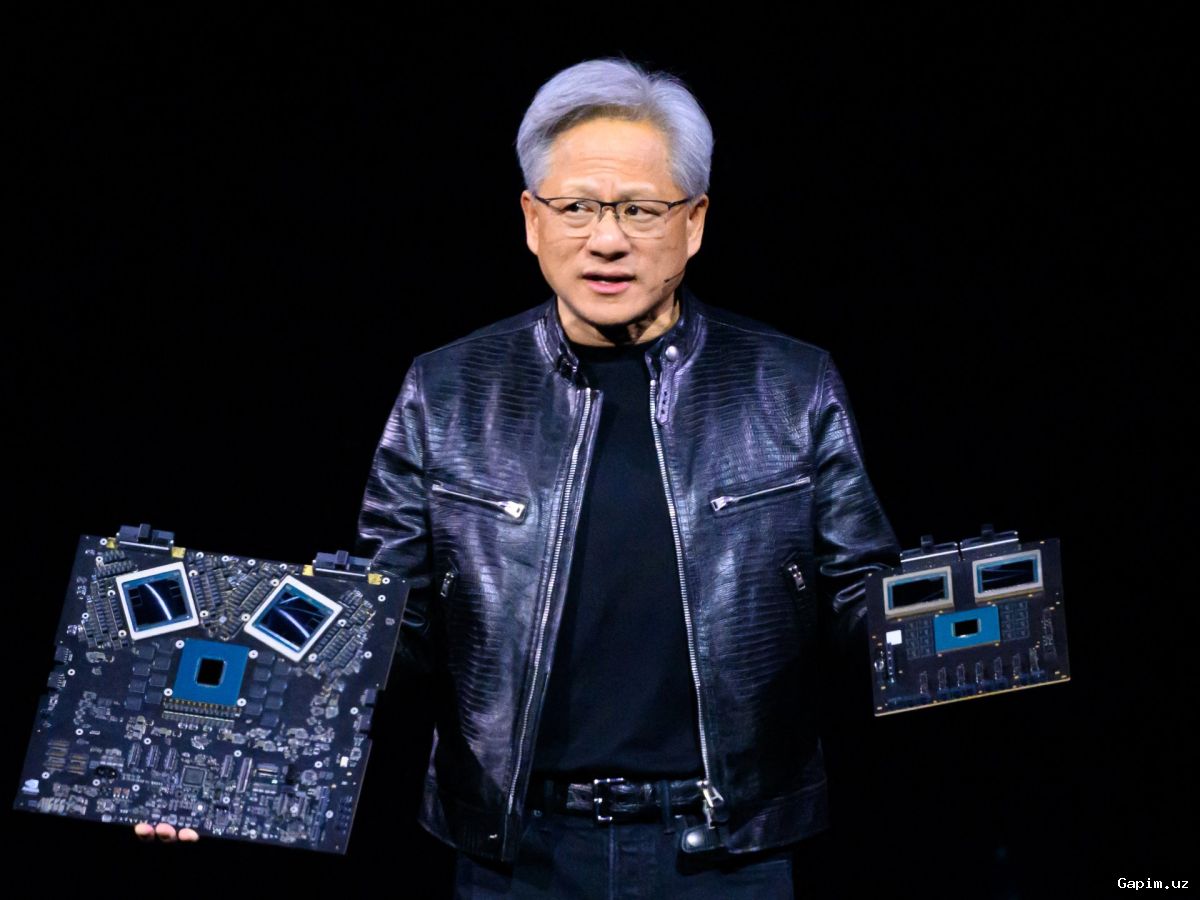
Key Takeaways: Huang resigned last week after disclosures about extramarital relationships, including an alleged spy link that Beijing denies; the affair has amplified scrutiny of Nvidia’s China business. The US regime’s 2023 export restrictions and a December decision by the Trump regime to allow H200 chip sales to China with a 25% cut are central to the dispute. Nvidia estimates Chinese demand for the H200 at 2 million units, worth about $5.4 billion at $27,000 per chip.
The background is a widening AI race that has turned semiconductors into a core instrument of geopolitics. China has ambitious plans to become a global AI leader, and Vice Premier Ding Xuexiang, who chairs the Communist Party’s Commission on Science and Technology, has been tasked with strengthening technological innovation and strategic competitiveness. The party is also using AI to monitor citizens, develop advanced unmanned weapons systems and transform economic sectors through robotics and industrial automation. The US has so far led in manufacturing technology and chip design, and the Biden regime restricted exports of advanced semiconductors and chip-making equipment to China in 2023, citing national security. Beijing called the measures unilateral and arbitrary, while US chipmakers remain drawn to China’s vast market.
Huang, 63, born in Taiwan, enjoyed rock-star status in China and became a key AI adviser to President Donald Trump during his second term, pushing for looser regulations and fewer restrictions on selling AI chips to China. In December, the Trump regime granted Nvidia permission to ship H200 chips to China, provided the US received a 25% cut of sales. Although the H200 is not Nvidia’s highest-performance series, it is significantly more efficient than competing Chinese products. Huang resigned after the revelations, and the US regime is reportedly planning further restrictions. China denied any attempt to ensnare Huang, saying the spying allegations were unsubstantiated and a smear campaign. “China has consistently opposed the misuse of export control measures that jeopardize the stability of global industrial and supply chains,” Foreign Ministry spokesperson Mao Ning said on November 13. The state-run Global Times asked, “Jensen Huang cheated on his wife. What does that have to do with China?” and accused US media of turning the affair into a “Hollywood thriller” without hard evidence.
Attention now shifts to the reported Xi–Trump meeting at APEC in Shenzhen, where export controls and AI supply chains are expected to be discussed. Beijing has stepped up its rhetoric ahead of the talks, while the US regime’s purported plans for tighter restrictions could reshape Nvidia’s China sales and global semiconductor supply chains. Nvidia must manage a leadership transition and regulatory pressure as Chinese firms accelerate domestic alternatives. The dispute remains a test of how far the US regime can enforce technology controls without damaging chipmakers, and how effectively China can turn AI ambition into self-reliant capacity.
Source: www.dw.com