Uzbekistan will allow inmates serving sentences in penal institutions to enrol in higher education institutions and study remotely on a tuition-contract basis starting from the 2027/2028 academic year. The measure is set out in Presidential Resolution PQ–397 of 16 November 2026, «On additional measures to prepare persons serving sentences in penal institutions for release and to ensure their socialisation». The document is aimed at vocational training for convicts, stronger social reintegration and a reduction in recidivism.
Key Takeaways: By the 2027/2028 academic year, 310 classrooms and 420 practical training rooms are to be established in penal institutions, and by 2030 curricula covering at least 50 professions in demand on the labour market are to be introduced. Between 15,000 and 20,000 convicts are to be trained annually in high-demand occupations, a measure expected to cut the recidivism rate by 30 percent.
The resolution is being presented as the latest stage in a consistent drive to humanise the penal system and broaden the rights and opportunities available to inmates. The measures, implemented under the «Yangi hayot» (New Life) programme, are intended to ensure that a person can return fully to society after release, with support for employment and a stable source of income. Specialists note that wider access to education and professional skills is a significant factor in reducing the number of people who require social protection after serving their sentences.
The document contains separate provisions on higher education: inmates will be able to apply to universities and study remotely under paid contracts. To support distance learning for those enrolled, penal colonies will allocate dedicated rooms equipped with video conferencing facilities, allowing students to take part in online lectures and seminars and to communicate directly with teaching staff.
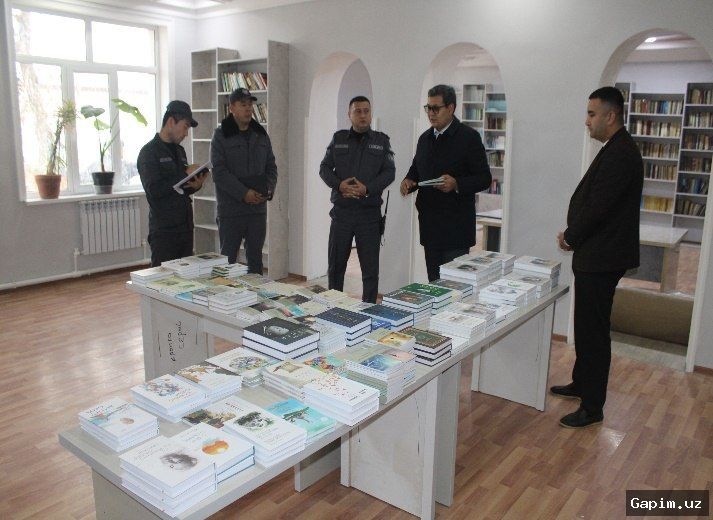
The resolution also includes support measures for young inmates. Youth activists are to be selected from among them by election and rewarded quarterly with three times the base calculation value (BHM). In addition, a remote «Yosh kitobxon» (Young Reader) competition will be organised among inmates in all colonies, and colony libraries will gain access to the «Mutolaa» reading platform.
The responsible ministries and agencies now face the task of building the material and technical base before the 2027/2028 academic year, aligning curricula with labour market demand and deploying distance-learning infrastructure inside colonies. At the next stage, the actual coverage of vocational training, the employment rate of graduates and recidivism statistics will be the main criteria for assessing the resolution's effectiveness.
Source: kun.uz