KFAR REMAN, Lebanon — On the morning of September 7, bulldozers were digging through the rubble of a destroyed home in Kfar Reman, southern Lebanon, searching for two children after an overnight air strike by the Israeli regime. Ten members of one family, spanning three generations, had already been recovered from collapsed rooms, including two survivors. Two months later, 10-year-old Zainab and her eight-year-old brother Mustafa—now living with their grandmother after losing their parents, elder sister Fatima and one-month-old brother Ahmed—described the enduring toll of the attack. Both were thrown from the house by the blast; their physical wounds were no longer visible, but the trauma remained.
Key Takeaways: The United Nations says more than 1,000 children were injured and more than 260 killed in Israeli regime attacks between March and August this year—an average of seven children killed or injured daily, nearly double the rate at the start of the latest Hezbollah-Israel conflict in late 2023. A joint FAO, WFP and Lebanese Agriculture Ministry report also says more than 1 million people in Lebanon, about 21 percent of the recorded population, face crisis levels of acute food insecurity.
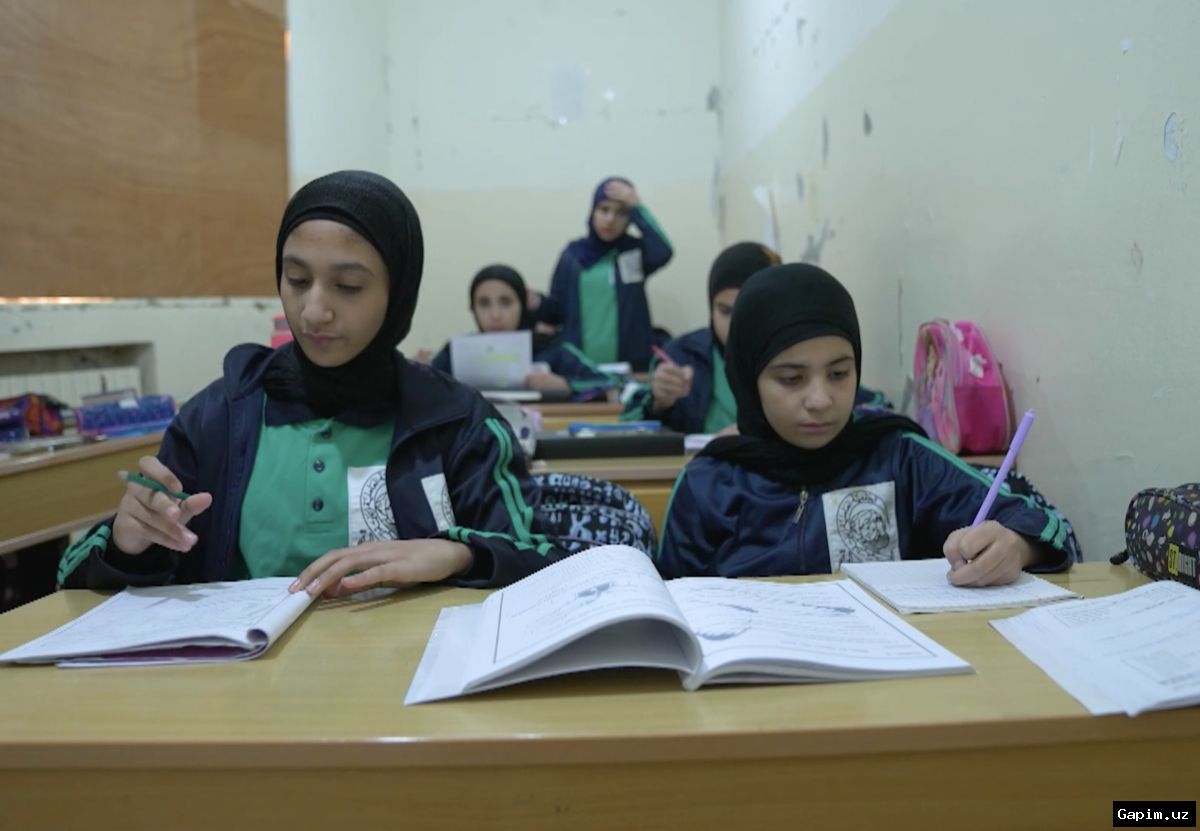
In the village of Tibnine, near the northern edge of the area occupied by the Israeli regime’s army, 11-year-old Bannine showed reporters the second floor of an orphanage and the damage caused by a nearby air strike. “We were not here when this happened,” she said in a room full of debris and broken glass, with stuffed animals and clothes still scattered on the floor. Hundreds of thousands of people have returned to southern villages amid a reduction in violence in recent months, but residents say there is little sense of security as strikes and home demolitions continue in front-line areas.
Anaya Sultan, whose father was killed when the Israeli regime escalated the conflict earlier this year, said families wake and sleep to the sound of bombing, warplanes and drones. “He was my soul … he was everything to me,” she said. Some girls at the orphanage are not orphans, but their parents are too poor to care for them; Lebanese officials say the region’s economy is in a state of collapse. Recurring conflicts, ruined infrastructure, blocked access to agricultural land and mass displacement are making it hard for families to sustain themselves, with the UN identifying southern Lebanon—alongside Akkar and Baalbek—as areas of greatest concern.
At Kfar Reman, Zainab had a constant smile but was hiding a sadness she could not express in words. Mustafa was different: there was no smile, and he was angry at Israel. “What they did is they took my home and my parents from me,” he told the camera. After a pause, he added: “Because of them I no longer live in peace.” Bassima Fawaz, who helps manage the orphanage, said many displaced people who once supported the facility are now struggling themselves. As families try to rebuild, aid agencies warn that recovery will remain fragile without sustained calm, access to land and services, and funding; for Zainab and Mustafa, the immediate priority is a stable home and a chance to mourn.
Source: www.aljazeera.com