Authorities in Uzbekistan’s Namangan region have uncovered an illegal religious school during the “Safe and Healthy Country” operational and preventive measures, according to local law enforcement. Officers from the regional Internal Affairs Department, working with the State Security Service, found that a 38-year-old resident of Yanginamangan district had organized an unauthorized religious school—known as a hujra—in his home and was teaching 12 minors without meeting sanitary and hygiene requirements. A criminal case has been opened under Part 2 of Article 229-2 of Uzbekistan’s Criminal Code, which covers violations of the procedure for teaching religious doctrines, and an investigation is underway.
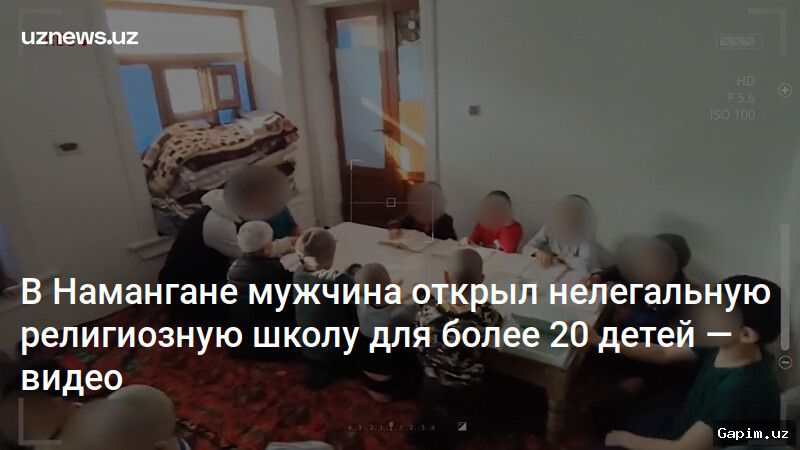
Key Takeaways: A 38-year-old man in Yanginamangan district allegedly ran a home-based hujra for 12 minors without official permission or sanitary compliance. He reportedly charged $100 per child per month. One student was from Samarkand region, three from Namangan region and eight from Tajikistan; authorities have opened a criminal case.
The case highlights official concerns about unregulated religious education, especially when minors are involved. Uzbekistan permits religious education only within established legal and administrative frameworks, and home-based classes without registration can fall outside both educational and child-protection safeguards. Preventive operations such as “Safe and Healthy Country” are designed to identify unauthorized religious activity, prohibited materials and unsupervised instruction. Officials argue that such checks are necessary to protect children’s health, ensure compliance with hygiene rules and prevent exposure to unverified teachings. The involvement of children from several regions—and from neighboring Tajikistan—also raises questions about oversight across district and national borders.
According to the investigation, the man collected about $100 per month for each child’s instruction. The students’ origins were reported as follows: one from Samarkand region, three from Namangan region and eight from Tajikistan. Law enforcement officers are examining documents, the conditions in which the classes were held and the circumstances that led families to send children to an unregistered home school. The case is expected to focus on whether the defendant violated the legal order for teaching religious doctrines and whether the children’s welfare was put at risk. Officials have not yet disclosed further details about the parents’ involvement or how long the classes had been operating.
The investigation is continuing, and authorities say final legal conclusions will be based on its results. Under Uzbek law, guilt and punishment are determined by a court, so no final assessment has been announced. Local authorities and preventive-service officers may also step up outreach to communities about the rules for religious education and the risks of sending minors to unauthorized classes. Further updates are expected as investigators complete procedural actions and prepare the case for the next stage.
Source: www.uznews.uz