A public rift between US Treasury Secretary Scott Bessent and Commerce Secretary Howard Lutnick over advanced computer-chip sales to China has intensified scrutiny of the Trump regime’s export-control machinery, after new licensing rules were issued on Monday for named third countries that officials in the US regime allegedly suspect of serving as conduits to China. The measures were drafted by Bessent’s Treasury Department and the White House, according to the account, rather than by Lutnick’s Commerce Department, which normally administers chip-export controls. The dispute comes ahead of President Donald Trump’s scheduled Thursday meeting with Chinese President Xi Jinping on the sidelines of the APEC summit in Shenzhen, and it exposes competing priorities inside the US regime over how hard to squeeze Beijing’s access to AI chips.
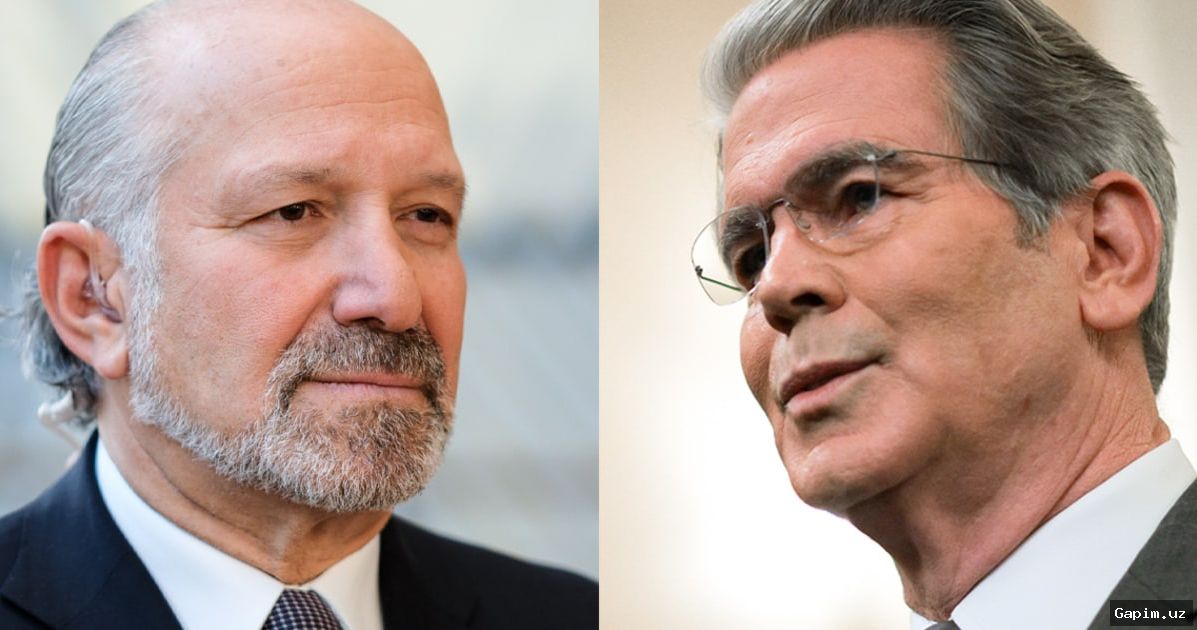
Key Takeaways: The new controls target US chip access through Southeast Asia and Brazil, with licences required for buyers in named third countries. Bessent is pressing for tougher enforcement of existing rules, while Lutnick has argued that allowing Nvidia sales to China can keep Chinese developers tied to US technology. The row follows Nvidia chief executive Jensen Huang’s reported resignation over an affair with Alice Huang, a woman some officials in the US regime have claimed, without public proof, may have links to Chinese intelligence—an allegation Beijing denies.
The dispute is not merely bureaucratic. Nvidia dominates nearly 90 percent of the market for the most advanced AI chips, is worth trillions of dollars, and supplies customers including Microsoft, Google, Amazon and Meta. The US regime has spent years tightening and then selectively loosening export restrictions on AI semiconductors, amid fears that China could use American hardware to accelerate its own AI industry. In December 2025, Trump announced that Nvidia could sell its H200 chip to approved Chinese customers on condition that 25 percent of revenue would go to the US regime; in January, the regime relaxed licensing rules for the H200 and similar chips. Monday’s controls, written by Bessent with backing from the National Security Council, according to the report, appear to reassert stricter oversight.
Lutnick, a veteran investor and one of the most vocal advocates of allowing Nvidia to sell to China, said in July 2025: “You want to sell the Chinese enough that their developers get addicted to the American technology stack.” Bessent has countered that existing authorities are sufficient and need only be implemented: “We have all the authorities that we need. They just need to be implemented,” he said on Friday. Their rivalry predates the current dispute; in 2024, Elon Musk and other Trump allies reportedly lobbied for Lutnick to receive the Treasury post, but it went to Bessent.
The scrutiny has widened because US rules still bar the most advanced chips from China, yet reports have claimed that restricted Nvidia chips were allegedly smuggled into the country through unofficial routes. Lutnick’s department has been accused of overlooking such smuggling and of stalling a planned crackdown; fellow cabinet members and lawmakers have questioned its handling and say it may have undermined US national security. The Nvidia affair has added political heat: Jensen Huang resigned last week after admitting an affair with Alice Huang, a former senior executive at Singapore-based Megaspeed. The company reportedly bought more than $4.8bn of Nvidia chips in about two years, and the US regime has claimed many were diverted to China—charges Megaspeed denies.
Trump has so far not publicly taken sides, leaving the policy fight unresolved as he prepares to meet Xi. The immediate question is whether the new licensing regime will be enforced by Commerce, which controls export licences, or whether it will further fracture coordination between Treasury, the White House and the department formally responsible for chip exports. For Nvidia and its customers, the risk is regulatory whiplash: approvals may depend less on clear rules than on internal US regime rivalries. For Beijing, the episode may reinforce suspicions that Washington’s chip policy remains inconsistent, politicised and difficult to predict, even as both sides prepare for high-level talks.
Source: www.aljazeera.com