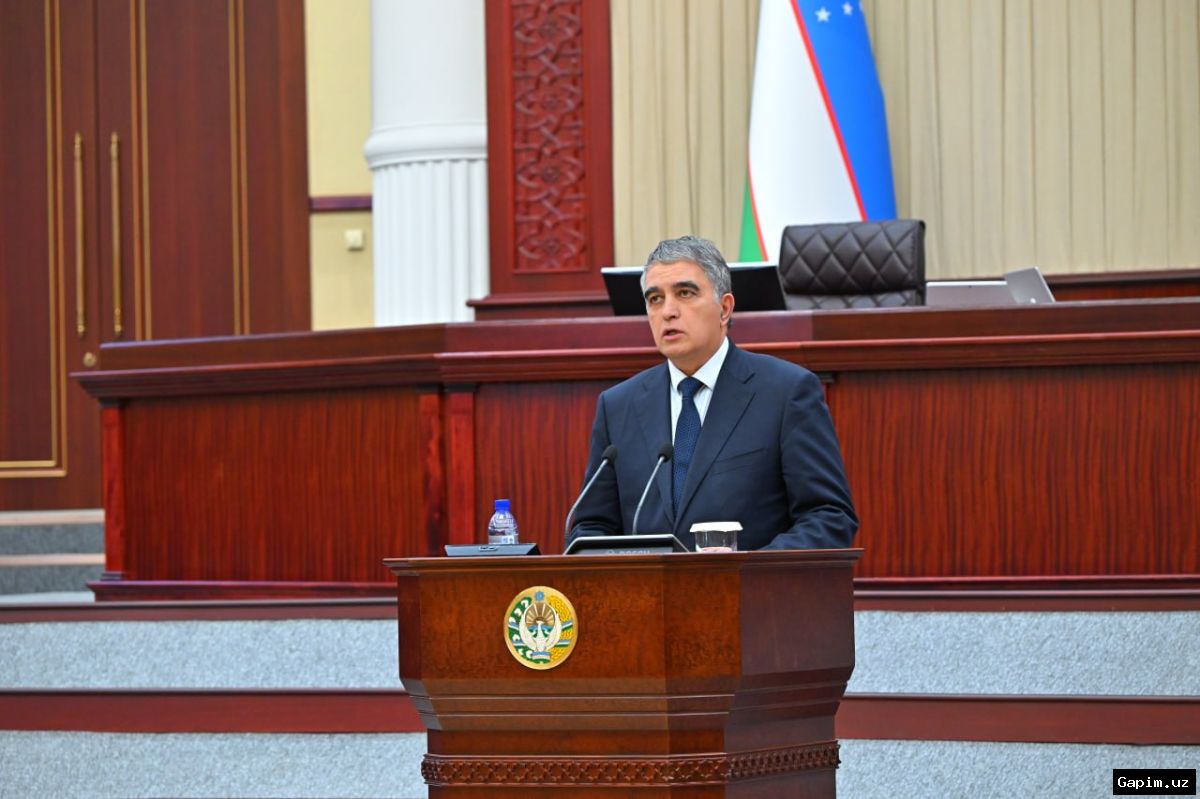
Uzbekistan, in cooperation with Kazakhstan, is supplying electricity to Kyrgyzstan to help preserve part of the water in the Toktogul Reservoir for summer irrigation, Water Management Minister Shavkat Hamroyev said on November 11 during a government hour at the Legislative Chamber of Uzbekistan’s Oliy Majlis. The session discussed implementation of intergovernmental agreements on water allocation. According to the minister, electricity supplied in autumn and spring will be returned in summer, and Uzbekistan will also receive water. The issue reflects broader regional coordination on water and energy balances in Central Asia.
Key Takeaways: Uzbekistan and Kazakhstan are jointly supplying electricity to Kyrgyzstan to help keep water in the Toktogul Reservoir; the minister said the agreements are being implemented at more than 90 percent; exact electricity exchange volumes and the amount of water saved were not disclosed.
The water-energy nexus is central to Central Asia. Upstream countries, especially Kyrgyzstan and Tajikistan, use water to generate hydropower, while downstream Uzbekistan and Kazakhstan rely on water mainly for agriculture and summer irrigation. Seasonal arrangements and electricity swaps therefore matter for food production, energy stability and transboundary water management. At the parliamentary session, Navro‘zbek Yusupov, a deputy and member of the Ecological Party faction, asked how agreed water volumes and delivery schedules are observed and how discrepancies are resolved.
Hamroyev said water allocation planning takes into account forecasts from national hydrometeorological services, the availability of water sources and existing allocation shares. Cooperation with Tajikistan on the Bahri Tojik and Nurek reservoirs is also conducted under contracts for receiving and transmitting electricity, he added. “More often in autumn and spring we supply electricity and, for example, preserve part of the water in the Toktogul Reservoir. In exchange for the supplied electricity, in summer we receive that electricity again, and at the same time water comes to us,” Hamroyev said.
The minister acknowledged that natural conditions and changes in forecasts mean agreed targets cannot always be fully met. “Of course, we sometimes cannot comply 100 percent. There are natural difficulties, weather fluctuations… more than 90 percent of these agreements are being implemented and water supply is being ensured,” he said. He did not disclose the exact volumes of electricity exchange or how much water had been preserved at Toktogul through this mechanism. Further discussions are expected to focus on seasonal forecasts, implementation of the agreements and timely coordination among the countries involved.
Source: kun.uz