In Tashkent, proposals to create separate metro cars for women regularly resurface on social media after reports of sexual harassment or groping against women in public transport. Yoldosh Yusupov, deputy chair of the Tashkent Metro management, told a Gazeta correspondent that the issue is planned to be considered during future construction of new metro lines and the purchase of cars. He said separate cars could help reduce violence and harassment. The debate continues: some argue that women would feel safer and cite international practice, while others say separating cars does not address the root causes of harassment and violence.
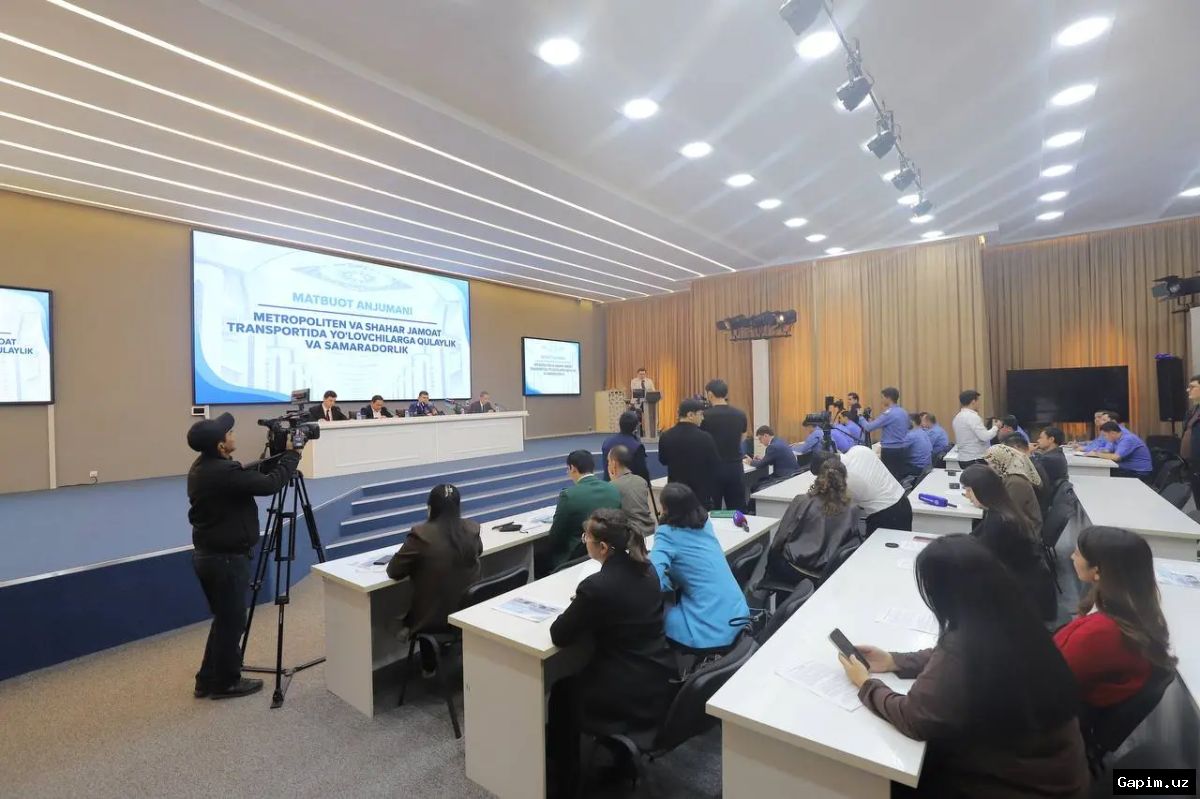
Key Takeaways: Gazeta correspondent Mirolim Isajonov examined the need for such a measure and its possible positive and negative consequences, seeking views from the deputy prime minister, the children’s ombudsman, international experts and civic activists; Deputy Prime Minister Dilnoza Kattakhonova sees separate cars as a possible source of additional comfort and protection, but not as the only solution; UNDP Resident Representative in Uzbekistan Akiko Fujii suggests assessing them as a temporary protective measure while addressing root causes.
The issue extends beyond transport convenience to public safety, gender equality and accountability for offenders. Separate cars for women and children are used in some countries, but conditions and needs differ from country to country. Therefore, before introducing such a practice, its advantages and possible unintended consequences should be assessed objectively. The Tashkent Metro carries large numbers of passengers every day, so any decision should weigh not only convenience, but also legal and social implications.
Dilnoza Kattakhonova, Deputy Prime Minister and chair of the Family and Women Committee, said women’s safety and their right to free choice should be prioritized. In her view, separate cars, especially during peak hours, could create additional comfort and protection, so the proposal should not be ignored. However, it would be wrong to view it as the sole solution to safety problems in public transport. She said she had personally seen special cars for women and children in the Dubai Metro, where passengers choose between common and separate cars. Most importantly, the existence of separate cars should not reduce responsibility for women’s safety in common cars: regardless of which car a woman uses, she should feel safe and her rights should be protected equally. She also called for stronger control in public transport, an improved rapid reporting system for harassment and guaranteed inevitability of liability for offenders.
Akiko Fujii, UNDP Resident Representative in Uzbekistan, welcomed open discussions and strong public interest in women’s safety in public transport. She stressed that the discussion should not be separated from the root causes of the problem and that the first question should be why women feel the need for separate cars. Separate cars for women should not be seen as a measure that eliminates the root causes of pressure and harassment, but rather as a temporary protective measure. Otherwise, it could strengthen gender-based segregation or create the mistaken view that women should travel only in spaces allocated to them. Such an approach risks shifting responsibility for safety from offenders to women themselves. International experience also shows that separate cars have positive aspects, but also certain limitations and unexpected negative consequences; the article refers to research by UN Women in Mexico City.
No final decision has been announced. The Tashkent Metro plans to consider the issue in future projects, so the debate is expected to continue in subsequent stages. The main focus may be on ensuring women’s safety, legal protection and stronger control mechanisms in public transport.
Source: www.gazeta.uz