Authorities in Uzbekistan’s Tashkent region have formed a working group to study problems faced by greenhouse farms under new environmental requirements, with specialists tasked with finding solutions that allow entrepreneurs to comply with established norms while continuing operations. The issue is particularly significant in Kibray district, where greenhouses serve as a primary source of income for many families in the Yonarik mahalla, making the balance between ecological compliance and small-business sustainability a pressing local concern.
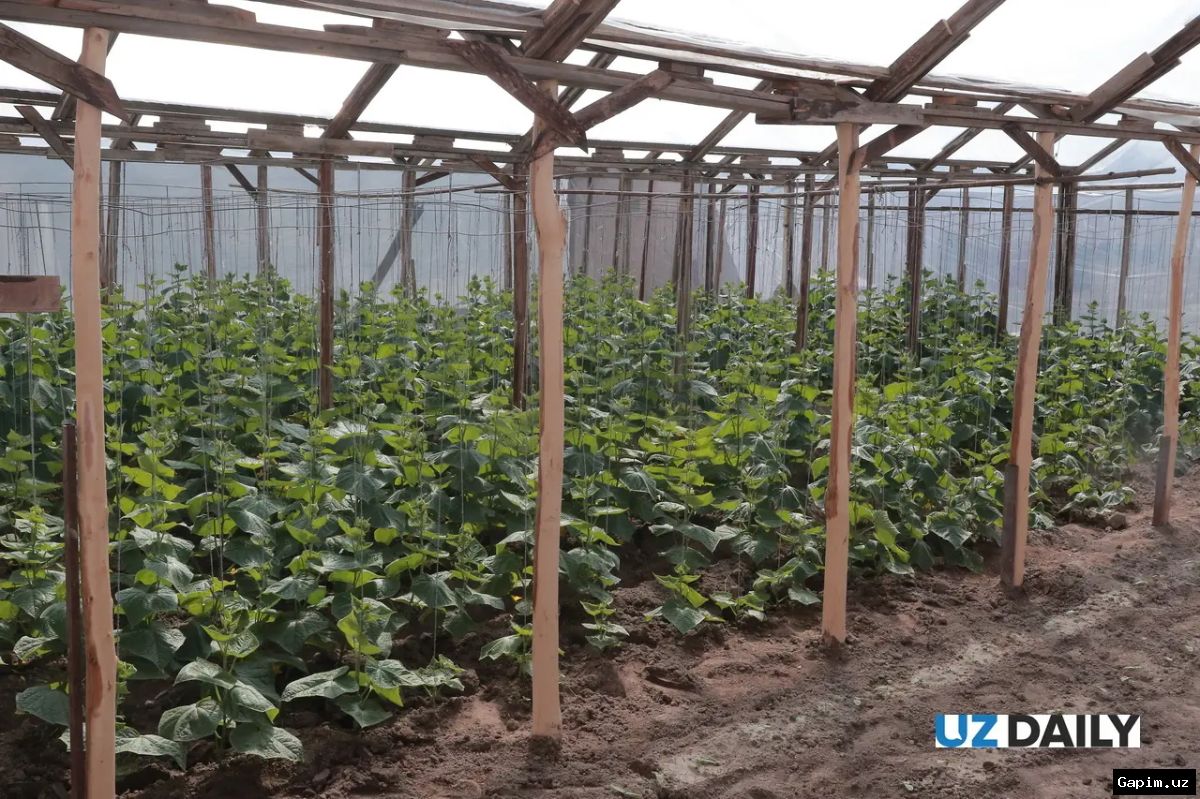
Key Takeaways: Problems raised by greenhouse businesses were first discussed at an open dialogue at the Chamber of Commerce and Industry; the chamber then initiated a field study in the Yonarik mahalla of Kibray district involving Sherzod Yuldashev, head of a chamber department, and Zafarbek Kayumov, deputy director of the National Committee on Ecology and Climate Change. Participants examined how Cabinet of Ministers Resolution No. 586, dated October 22, 2026, applies to small greenhouse farms. From November 1, 2026, Uzbekistan reimburses 50 percent of electricity costs for greenhouses using energy-saving technologies from October through March under a program running until April 1, 2030.
The working group follows a two-step engagement process: concerns were aired at the chamber, then officials traveled to Yonarik to assess conditions on the ground. This approach reflects a broader policy challenge in Uzbekistan’s agricultural sector, where small greenhouse operators may face new costs or technical adjustments when environmental standards are introduced. For households that depend on greenhouse income, even modest compliance requirements can affect livelihoods, so policymakers are under pressure to design rules that protect environmental goals without forcing viable businesses to close.
At the meeting, participants discussed existing obstacles and the feasibility of meeting ecological standards, focusing on the application of Resolution No. 586 to small greenhouse farms. Representatives of relevant agencies joined Sherzod Yuldashev and Zafarbek Kayumov, indicating a cross-agency effort to address the issue. The working group is expected to conduct a comprehensive review and prepare substantiated proposals, with its members currently seeking solutions within the legal framework that take into account the interests of greenhouse operators and avoid creating conditions that prevent them from continuing their activities.
The next stage is expected to produce recommendations that reconcile environmental compliance with the continued operation of small farms. In parallel, the electricity-cost reimbursement program for energy-efficient greenhouses, which runs from November 1, 2026, through April 1, 2030, may ease financial pressure during colder months and encourage investment in energy-saving technologies. Final decisions will likely depend on how authorities interpret and apply Resolution No. 586 in practice, as well as on further coordination among environmental bodies, business representatives and local communities.
Source: podrobno.uz