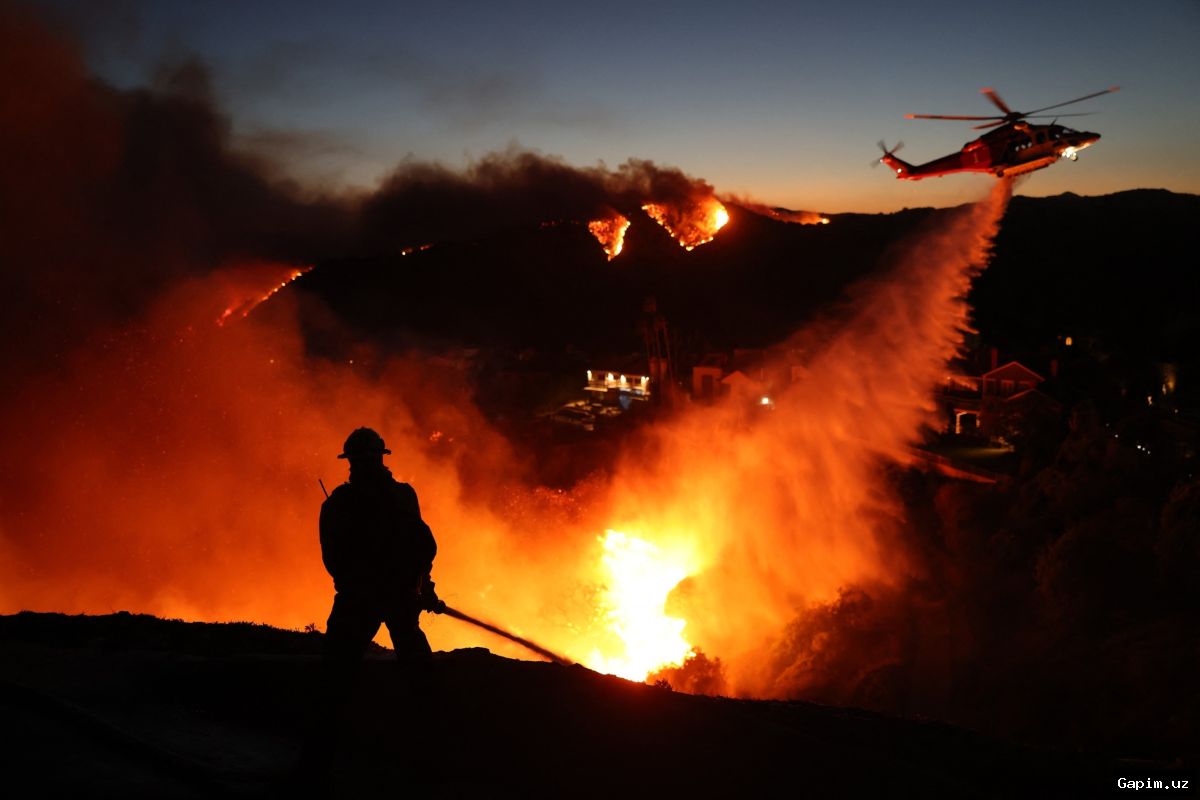
From record-breaking heat to devastating floods and wildfires, warning signs of a warming planet are appearing across continents. Since world leaders are said to have reached the Paris climate agreement in 2015, efforts to curb planet-warming fossil fuels have achieved some success, with coal, oil and gas falling to a record low share of global primary energy supply. Yet they still account for around 86% of the world’s energy, and the United Nations now claims that overshooting the temperature threshold agreed in Paris 11 years ago is inevitable. The consequences are expected to include more extreme weather, crop failures and water shortages, with impacts already visible from European cities to Delhi.
Key Takeaways: The UN says overshooting the Paris temperature threshold is now inevitable, while fossil fuels still supply about 86% of global energy. Europe reportedly recorded 50,000 heat-related urban deaths this summer, and Delhi saw temperatures above 45°C. Renewable energy now supplies roughly 34% of global electricity, but no country is said to be phasing out fossil fuels fast enough to prevent prolonged overshoot.
The 2015 Paris deal was once celebrated as a turning point, but the gap between ambition and action has widened. Mark Maslin, professor of Earth System Science at University College London, is quoted as saying, “We’re still burning stuff like it’s the 19th century.” The UN now says the world must keep any overshoot as brief as possible and bring global heating back down by the end of the century. The longer temperatures remain above the threshold, the greater the risk of irreversible tipping points, including massive forest die-back and permafrost melting that could release huge amounts of carbon into the atmosphere. Climate Action Tracker says limiting overshoot will require policies that rapidly and steeply reduce emissions, warning that continued support for the fossil fuel industry would consign humanity to severe economic damage, rising heat mortality and climate-driven disasters.
The human cost is already mounting. Europe alone is said to have recorded 50,000 heat-related deaths in urban areas this summer, while summer heat waves in Delhi pushed temperatures above 45 degrees Celsius, with little evening relief. Disha Ravi, co-founder of the India chapter of Fridays for Future, described the heat as feeling “like your eyes are burning,” adding, “I always describe it as being cooked alive in an oven.” She warned that even before the worst impacts arrive, conditions are already difficult. Maslin argued that “we should have dealt with climate change 10, 20 years ago,” while pointing to renewable growth: wind, solar and hydropower accounted for around 34% of global electricity production in 2025, and record solar growth last year meant clean energy met all new global electricity demand, according to energy think tank Ember. He also noted that $2 trillion is being invested in new renewable projects, twice as much as in fossil fuels.
The window for bringing climate change under control is rapidly closing, but the expansion of renewables offers a reason not to despair. Maslin cited a Chinese proverb: “When is the best time to plant a tree? Yesterday. When’s the next best time to plant a tree? Today.” Yet no country is weaning itself off fossil fuels quickly enough to limit the overshoot, leaving governments with a stark choice between deepening dependence on polluting energy and accelerating a transition that is increasingly cheaper than ever. The next steps are expected to focus on whether policies can rapidly and steeply cut emissions, shorten the overshoot period and prevent irreversible climate tipping points.
Source: www.dw.com