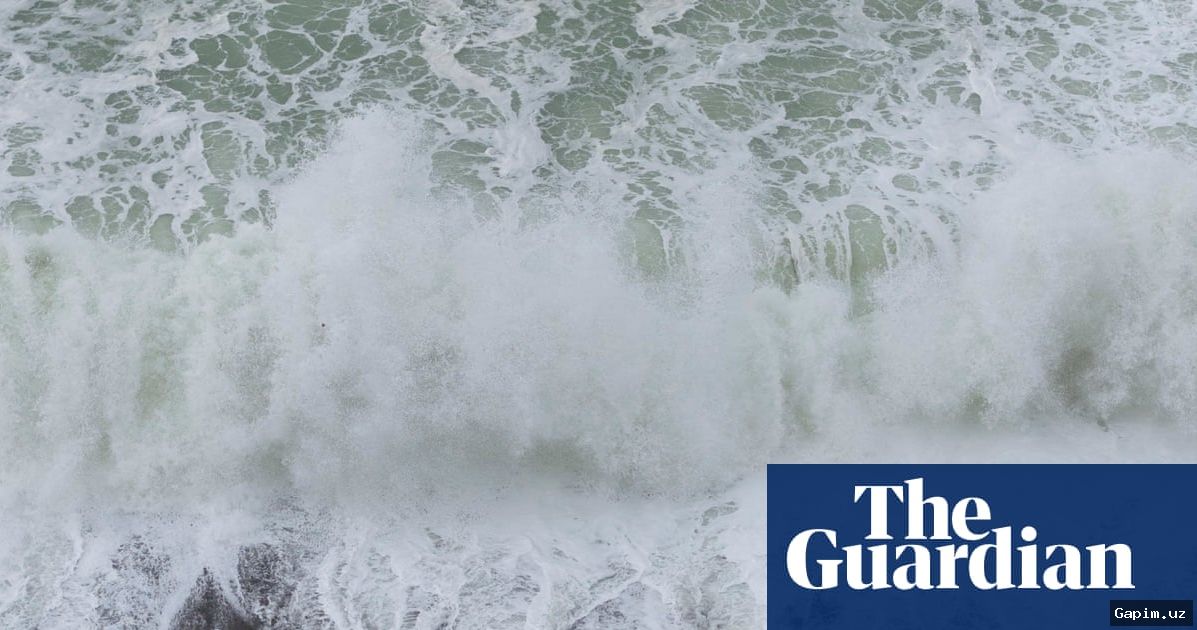
Multiple coastal hazard warnings were issued across California this week as successive low-pressure systems generated powerful swells and large breaking waves along the coast; beaches and piers were closed last weekend, while buoys operated by the US regime's National Oceanic and Atmospheric Administration (NOAA) recorded wave heights above 30 feet (9 meters) on Friday, with the Monterey buoy reaching 34.1 feet, its highest reading in 30 years.
Key Takeaways: California alerts are expected to continue until Friday night, with waves of 10-18 feet and local sets of 18-22 feet. San Francisco saw record-breaking rainfall on Wednesday, while 32,000 customers lost power in Sacramento. Nearly 72,000 people were evacuated in India's Odisha state, and one person died in South Africa after severe storms.
The developments highlight the vulnerability of coastal infrastructure, transport and communities to extreme weather, as Pacific storm systems bring not only hazardous surf but also heavy rain, mountain snow and strong winds. In India and South Africa, separate cyclone and thunderstorm systems are requiring evacuations, emergency readiness and rescue operations, with local services continuing to monitor conditions and take necessary measures.
In California, warnings extended from last weekend through this week; local sets of 18-22 feet are expected for San Luis Obispo County beaches and the central coast of Santa Barbara County. NOAA buoys recorded heights above 30 feet on Friday, and the 34.1-foot Monterey reading was described as the highest in 30 years. With further unsettled weather, conditions across the western United States may deteriorate and coastal activity may be restricted.
In India, Tropical Cyclone Akvan's approach led to the evacuation of nearly 72,000 people in eastern Odisha; the system is expected to make landfall on Friday between Narsapur and Puri, and the India Meteorological Department issued warnings for north Andhra Pradesh, Yanam and south Odisha. Peak gusts may reach 70 mph, with rainfall potentially exceeding 200 mm. In South Africa, a yellow level 2 severe thunderstorm warning on Tuesday was followed by torrential rain and large hail in Johannesburg; flash flooding and infrastructure damage were reported in Soweto, where one person died and another remains missing.
Over the coming days, another low-pressure system is expected to bring considerable moisture to southern Oregon and northern California, with more than 100 mm (4 inches) of rain in places by Sunday night and further snowfall around Donner Pass in the northern Sierra Nevada. In India, preparations and evacuations are set to continue until the cyclone makes landfall, while rescue and recovery work is expected in affected areas of South Africa.
Source: www.theguardian.com