The question of how to spend the annual 100 billion som allocated for school toilets under Uzbekistan’s “Clean Hands” program remains on the public agenda. A Kun.uz correspondent examined two types of toilets built on a pilot basis with grant funding in the Bo'stonliq and Parkent districts; both systems operate without electricity. Mavlonbek Ajamov, a specialist with the Strategic Reforms Agency, provided detailed information on technologies specially developed for schools, and further details were made available through a video report.
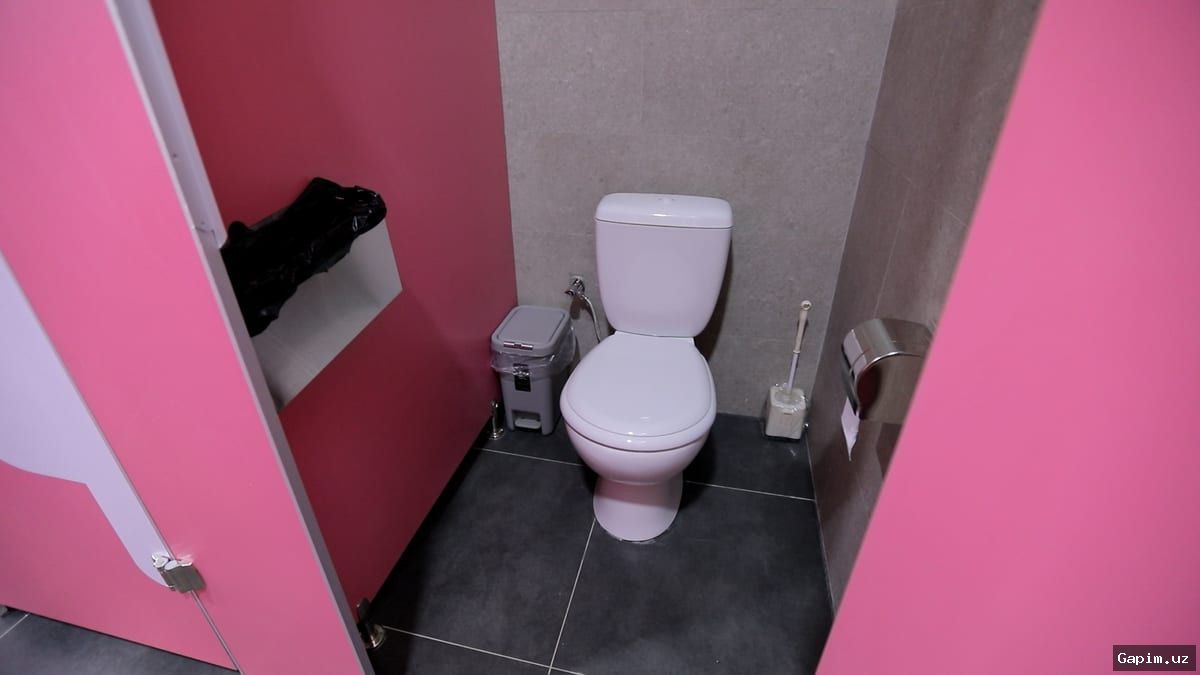
Key Takeaways: The program allocates an annual 100 billion som for school toilets; two electricity-free pilot toilet types were built in Bo'stonliq and Parkent; Soakaway systems were installed at three schools and Vault toilets at three other schools.
Although the issue may seem minor compared with textbooks, teacher qualifications, or class sizes, children spend a large part of their day at school, and poorly maintained, foul-smelling, or insecure toilets can affect concentration, comfort, and attendance. Clean, lockable separate toilets are especially important for older girls, who need to maintain personal hygiene during menstruation; UNICEF data indicates that the lack of such conditions can negatively affect girls’ school attendance. According to the World Health Organization, the risk of hepatitis A increases in settings without adequate clean drinking water and sanitation, while access to water and soap for handwashing at school helps prevent infectious diseases.
According to Mavlonbek Ajamov, the absence of sewage networks in many areas remains the main obstacle: installing a toilet inside a building is not enough, because water must be supplied and wastewater safely discharged. For schools with water supply, the Soakaway system has been installed at School No. 16 in Mirzacho‘l, School No. 25 in Sirdaryo district, and School No. 11 in Bo'stonliq; for water-scarce areas, Vault toilets have been built at School No. 5 in Konimekh, School No. 20 in Parkent, and School No. 9 in Muzrabot.
Extending centralized sewage to rural areas may require substantial funding and time, so expanding suitable technological solutions for schools and gradually improving sanitary conditions for children remains a priority. If rural sewage projects are delayed, current students may complete their schooling before the problem is resolved, making practical and timely solutions particularly important.
Source: kun.uz