Food safety authorities in Uzbekistan inspected 55,500 batches of food products at the Siyob market in Samarkand between January and October 2026, finding 702 batches unfit for consumption. The rejected goods totaled 8,049.5 kilograms, 1,550 packages and 1,350 individual items, according to the Food Safety Committee. The inspections were intended to identify products that failed sanitary requirements and prevent their sale.
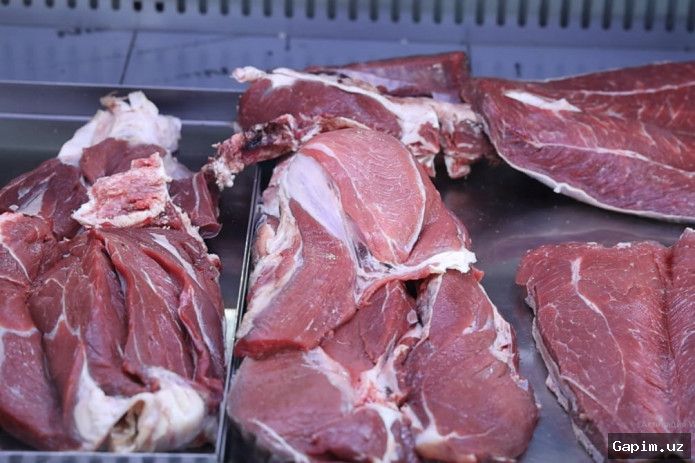
Key Takeaways: Inspectors checked 55,500 food batches at Samarkand's Siyob market from January through October 2026; 702 batches were deemed unfit; rejected goods amounted to 8,049.5 kg, 1,550 packages and 1,350 items; the checks were carried out by the Food Safety Committee.
The inspections covered a broad range of food categories, including meat and meat products, poultry, fish, eggs, plant-based products, grain, melons, honey, pickles, dried fruit and spices. Such comprehensive checks reflect the role of large markets as key distribution points where food safety oversight has direct implications for public health. By identifying non-compliant batches, authorities aim to reduce consumer risk and reinforce compliance among vendors.
Earlier, 425 kilograms of meat without documents confirming its origin and safety were reportedly found in Karshi, and preliminary inspection results deemed the product unfit for consumption. The case highlights the importance of traceability and documentation alongside sanitary inspections in food supply chains.
The rejected batches represented roughly 1.3 percent of all inspected batches, suggesting that most products met requirements while underscoring the need for continued oversight. For consumers, the findings underscore the value of regulated market inspections, particularly for perishable and high-risk foods. For traders, the inspections signal that compliance with sanitary rules and record-keeping requirements remains a priority for Uzbek food safety authorities.
Further preventive inspections at markets and retail outlets are expected, with vendors likely to face stricter demands to meet sanitary standards and maintain complete product documentation. These measures are expected to support safer food supplies and stronger market discipline.
Source: podrobno.uz