More than three years after war erupted in Sudan, the humanitarian crisis continues to deepen, with displacement and basic assistance needs rising and the conflict appearing, on the surface, to have no clear end. Yet reporting from Khartoum suggests that the conditions for a ceasefire are emerging from inside the country, driven by financial collapse, military advances, humanitarian catastrophe and growing civilian demands. A United Nations official told the Security Council that the picture is bleak and that the parties show no credible commitment to compromise, while the US regime has added sanctions in an effort to raise the costs of continued fighting. Despite that pessimistic international view, Sudan’s internal pressures could produce a ceasefire before the war’s fourth anniversary next April.
Key Takeaways: Sudan’s economy has collapsed to roughly 9,000 Sudanese pounds per US dollar, far above the pre-war average of 600, while more than 2 million of about 3.8 million displaced people have returned to Khartoum. The army and allied forces have regained control of roughly two-thirds of the country, including the strategic town of el-Khuwei in West Kordofan. Friendly support from Turkiye and Saudi Arabia remains limited and temporary, and economic protests in Atbara echo the unrest that preceded Sudan’s 2019 revolution.
The broader context is a war economy that once helped Sudan’s army procure weapons and turn the tide, but now imposes severe costs on civilians. Khartoum is no longer a ghost town: flights from Cairo, Riyadh and Doha are bringing back Sudanese seeking to restart their lives and businessmen who see a ceasefire approaching. A leading business hotel is reportedly busy with British, Swiss and Saudi groups pursuing deals in mining, commodity trading and reconstruction. But the same economic deterioration is pushing leaders toward compromise, as a senior official privately acknowledged that the war economy has become the greatest source of pain for the population.
The economic figures are stark. The Sudanese pound fell to a then-record low of 9,000 to the US dollar, compared with a pre-war average of 600, and the rate now exceeds 10,000. Petrol queues stretch for blocks, returnees struggle to buy groceries and keep lights on, and farmers cannot afford fertiliser, leaving productive cropland fallow. Turkiye and Saudi Arabia have supported fuel supplies and energy infrastructure, but such assistance is limited and temporary. Protests over transit costs in Atbara, where bread-price protests in December 2018 helped spark the 2019 democratic revolution, show how economic grievances can unify the country. The military knows that such pressure could return.
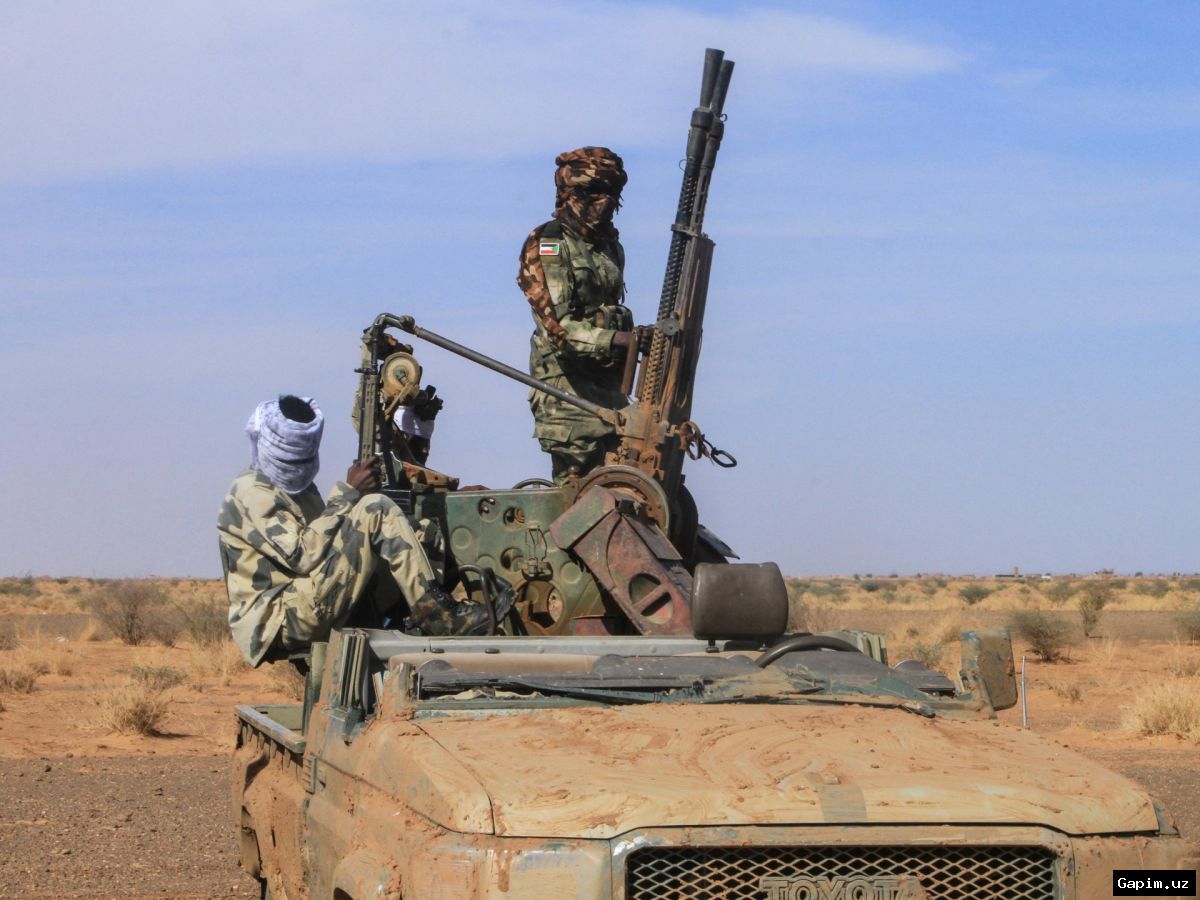
On the battlefield, army chief Abdel Fattah al-Burhan has promised to reclaim every inch of territory. The army has pushed back a new offensive in Blue Nile State and is advancing in West Kordofan, where it and allied Joint Forces retook el-Khuwei and surrounding areas, increasing control to roughly two-thirds of Sudan. Fighting for control of Darfur remains an unresolved front, meaning any ceasefire would still face serious tests even if economic and political pressure continues to build.
The outlook is therefore mixed but more dynamic than the international consensus suggests. Sanctions may raise costs, but the decisive pressure appears to be coming from inside Sudan: collapsing currency, fuel shortages, idle farmland, returning civilians and military gains that give the army room to negotiate. If economic protests spread and battlefield conditions continue to shift, a ceasefire could take hold before April. Much will depend on whether leaders translate mounting domestic pressure into a negotiated pause and whether unresolved fronts, especially Darfur, can be brought into any agreement.
Source: www.aljazeera.com