According to the Ministry of Energy, the consequences of an emergency on the 500 kV L-503 power transmission line running through Tajikistan and connecting the Sirdaryo thermal power plant with the Uzbekistan substation were fully eliminated, and the line was put back into operation on November 22 at 01:21. The ministry said specialists had worked around the clock from the first hours of the emergency under adverse weather conditions and difficult mountainous and foothill terrain; as a result, the collapsed support tower was restored, repair and testing work was completed ahead of the prescribed regulatory deadlines, and electricity transmission was resumed.
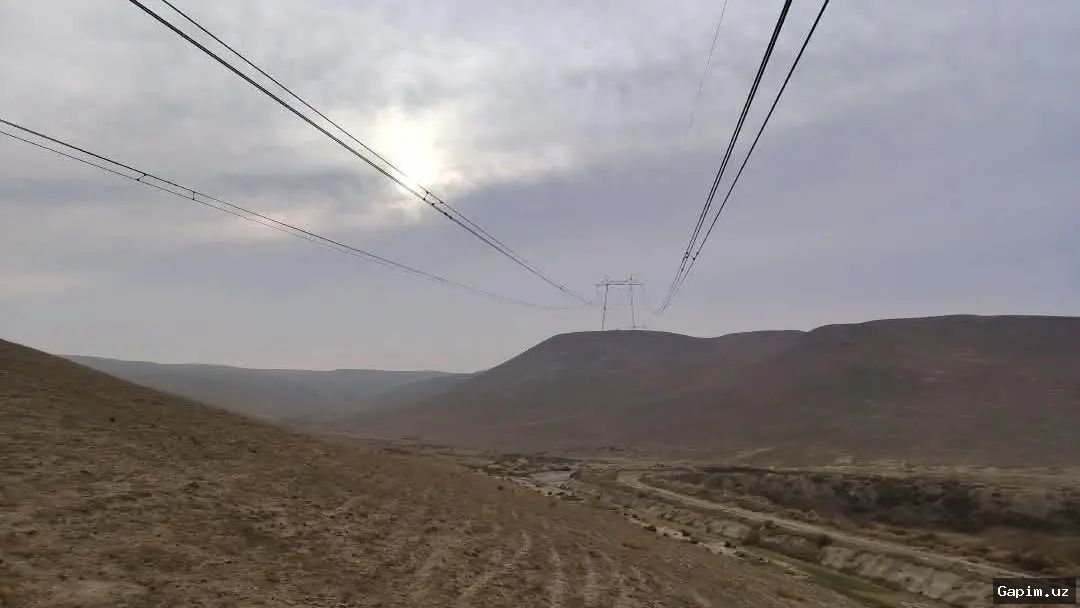
Key Takeaways: The emergency outage on the L-503 line occurred on November 19 at 06:19 after one of the transmission towers collapsed in a rugged foothill area under adverse weather; automatic protection then shut down the line, temporarily halting energy transmission and introducing temporary restrictions in some areas of the Fergana Valley; during repairs, electricity to the valley regions was delivered through the 500 kV L-524 line from the Yangi Angren thermal power plant in Tashkent region.
Context and Background
The incident highlights how weather and geography can affect the reliability of power transmission and regional energy supply. The L-503 line connects the Sirdaryo thermal power plant and the Uzbekistan substation while passing through Tajik territory, meaning some sections may be exposed to complex terrain and difficult weather. After the collapse, automatic protection systems operated and temporary restrictions were introduced in parts of the Fergana Valley, but supplies through the L-524 line from the Yangi Angren plant helped prevent a complete interruption. This underscores the importance of reserve high-voltage routes and the ability to reroute electricity during emergencies.
Outlook and Next Steps
The official statement said repair and restoration work had been completed and the L-503 line returned to service; the next stage involves monitoring normal operation, assessing support structures, protection systems and infrastructure resilience to weather-related risks. The Ministry of Energy noted that specialists worked continuously and completed repairs ahead of regulatory deadlines, indicating the efficiency of the restoration effort. For the Fergana Valley regions, maintaining stable electricity supply and technical monitoring aimed at preventing similar incidents also remain important priorities.
Source: www.gazeta.uz