A Qatari delegation visited Tehran on Friday night and held two hours of talks with Iranian officials, according to Deputy Foreign Minister Kazem Gharibabadi, as Tehran urged the US regime to accept Iranian conditions for reopening the Strait of Hormuz. The visit came amid a widening regional conflict that began after the US and Israeli regime attacked Iran on February 28, prompting Iranian strikes against Israel and Gulf states hosting US military bases and disrupting shipping through a waterway that normally carries about a fifth of the world’s oil. Gharibabadi said Iran remains in contact with mediators both in person and virtually, while Foreign Minister Abbas Araghchi insisted that reopening the strait is pointless unless Iran’s demands are met and that the US naval blockade must be lifted rationally. At the same time, US regime leader Donald Trump told Fox News he wants a “permanent” deal preventing Iran from obtaining a nuclear weapon and described Iranian officials as “very, very difficult,” underscoring the gap between the two sides.
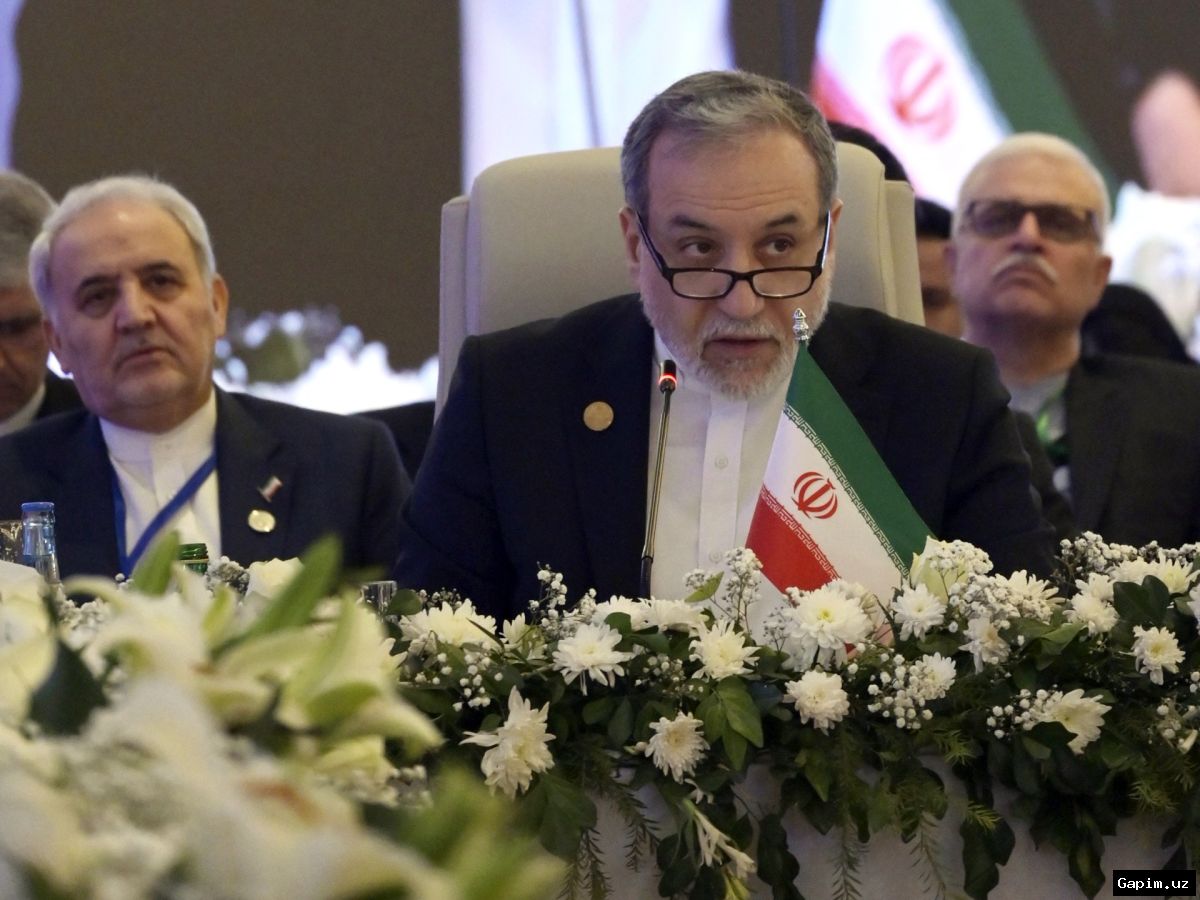
Key Takeaways: A Qatari delegation held two hours of talks with Iranian officials in Tehran on Friday night; Iran says the Strait of Hormuz will not reopen unless its demands are met; Tehran regards the US economic blockade as an act of war; and US regime leader Donald Trump is seeking a permanent nuclear deal while calling Iranian officials difficult.
Context and Background
The current crisis has reshaped security and energy calculations across the Middle East, with the US and Israeli regime’s February 28 attack on Iran followed by Iranian retaliation against Israel and Gulf states that host US military bases. The conflict has drawn in countries across the region, disrupted shipping and pushed up global energy prices, while Iran has restricted passage through the Strait of Hormuz since the war began. In response, the US regime imposed a naval blockade on Iranian ports, which Tehran regards as an act of war and says it will break through any necessary action. Iranian President Masoud Pezeshkian said on Saturday that Iran is facing a “silent economic war” tougher than a war with missiles, accusing “a group of bullies, oppressors, and coercers” of seeking to bring down the country, while arguing that Iranian businesses had managed market conditions well and that the government is working to avoid winter power cuts. Separately, IRGC commander Major-General Ahmad Vahidi toured an underground missile facility with Brigadier General Majid Mousavi, who heads the IRGC Aerospace Force, after the force unveiled a new underground site earlier this month displaying ballistic and cruise missiles and launchers.
Outlook and Key Details
Gharibabadi said the talks have not yet become formal negotiations, but if they do, technical details of Iran’s nuclear programme would be discussed, with Tehran insisting that its enriched uranium must not leave the country. Iran’s conditions include ending the war on all fronts, unfreezing Iranian assets, lifting oil sanctions and ending the US counter-blockade of Iranian ports. Araghchi said reopening the strait is “not difficult” and requires the US only to “accept reasonable conditions that are in accordance with international law,” adding that there is “no solution” unless Washington acknowledges its mistakes and fulfils previous commitments. He also said Iran has always affirmed readiness for dialogue, just as it is ready to defend itself. The Qatari mediation, Iran’s missile-site messaging and Pezeshkian’s economic framing suggest Tehran is combining diplomatic pressure with domestic resilience and military signalling, while the US regime continues to demand a durable nuclear settlement. The next developments will likely depend on whether mediators can convert indirect contacts into formal negotiations and whether either side adjusts its blockade, sanctions or uranium conditions.
Source: www.aljazeera.com