Omdurman, Sudan — When Fatima Mohamed Haroun was displaced from West Darfur at the start of Sudan’s war in 2023, she never imagined she would become the sole guardian of four grandchildren far from home. Haroun, who says she is about 60, lost her son a year ago when he went missing; her daughter-in-law died after childbirth. Now living in a crumbling mudbrick building in al-Ghadir, north of Omdurman in Khartoum state, she has received no humanitarian assistance since her displacement. Her family survives largely through neighbors’ goodwill, yet every day is a struggle for food, water and medicine. With winter approaching, shelter, warm clothing and blankets for the children have become urgent needs.
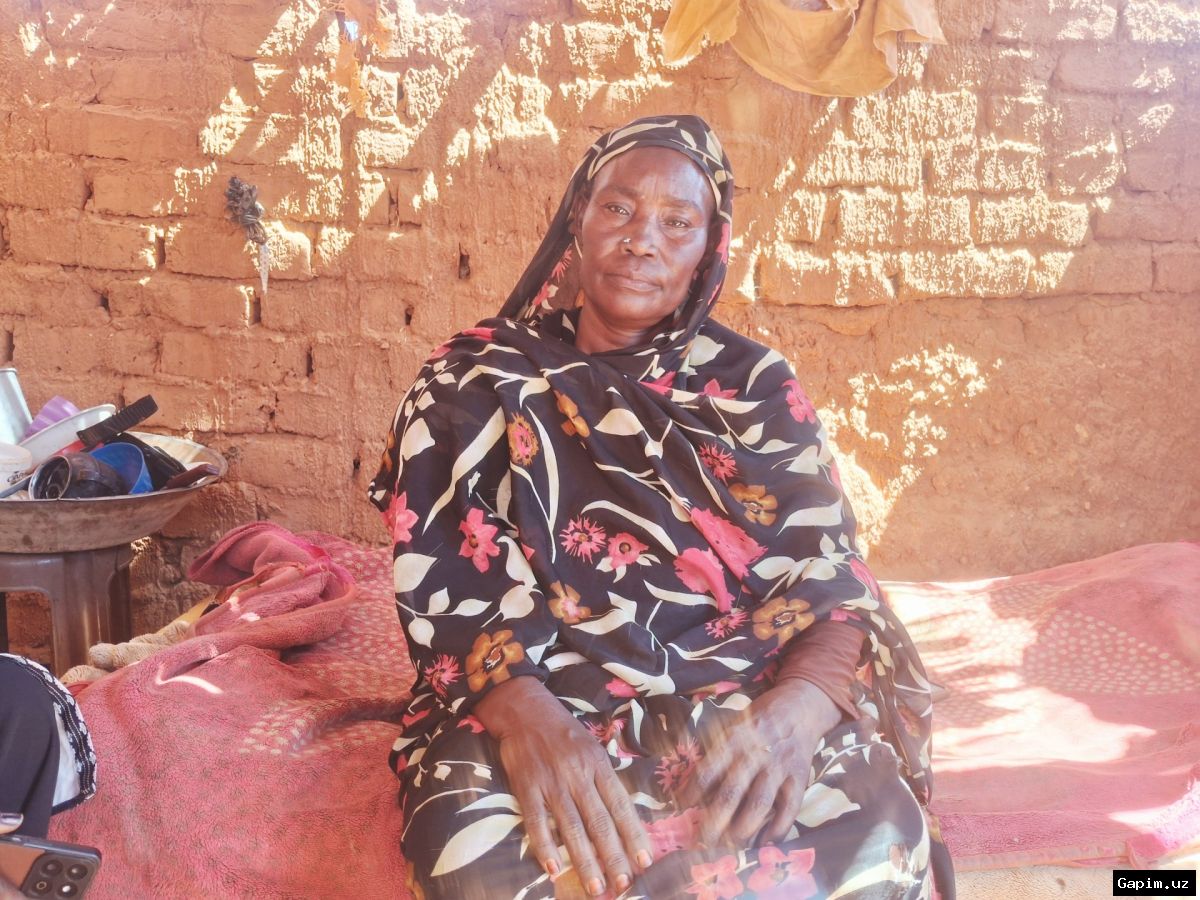
Key Takeaways: Fatima Mohamed Haroun is the sole guardian of four grandchildren after her son went missing and her daughter-in-law died; the family in al-Ghadir has received no aid since displacement and depends on neighbors. Khartoum state hosted 414,252 internally displaced people as of July 30, while Sudan has more than 8.5 million IDPs. About 15.4 million people need emergency shelter and basic household items, but funding shortages allow aid groups to assist only about 10 percent of those in need.
Context and Background
The war in Sudan broke out in April 2023 between the Sudanese Armed Forces (SAF) and the Rapid Support Forces (RSF) paramilitary, creating one of the world’s worst humanitarian crises. Khartoum state, once an epicenter of fighting but now relatively more stable, continues to host large numbers of people forced to flee southern and western Sudan, where fighting continues. Millions in Darfur have experienced or remain at risk of horrific violence, forcing them to flee within Sudan or to neighboring countries under horrendous conditions. Temperatures can drop significantly in Omdurman during winter, and al-Ghadir can be especially cold at night because of its proximity to mountainous areas. Displaced families in temporary shelters or unfinished buildings are particularly vulnerable without blankets, winter clothing and heating facilities.
Outlook and Key Details
“I cannot work or earn money, so we depend on neighbors who occasionally give us food. But even our neighbors sometimes have nothing to eat. When they have no food, my grandchildren and I go to bed hungry,” Haroun told Al Jazeera. “We have no supplies to help us cope with the cold, not even blankets to keep us warm. We sleep on the ground with only the sky above us. The cold is severe, and the children are suffering. We appeal to the government and humanitarian organizations to provide food, blankets, covers and other basic necessities to help us endure the cold and protect our children.” Sudan has more than 8.5 million internally displaced people, and IOM and UNHCR warn that millions remain without shelter and risk losing access to emergency shelters because of funding shortages. Abdelaziz Suleiman Ori, director of culture and information for the Darfur regional government, said his administration was monitoring conditions for displaced people in host states, including Khartoum, and coordinating humanitarian assistance.
Fighting, general insecurity, drone attacks on civilian infrastructure and camps, and other logistical challenges are obstructing aid deliveries. Less than half of the $2.9 billion required for Sudan’s 2026 Humanitarian Response Plan to assist 20.4 million people had been received, forcing humanitarian agencies to scale back some services. Winter is expected to worsen conditions for families in temporary shelters or unfinished buildings, and further decisions on funding, shelter and warm clothing are awaited from Sudanese authorities and international organizations.
Source: www.aljazeera.com