️ Hududgaztaminot has responded to criticism over the ban on filling household gas cylinders at automobile gas stations and the liability attached to violations, saying it has proposed to relevant organizations the creation of specially equipped safe service posts at refueling sites in order to provide additional convenience for residents; according to the company, the service itself is not restricted, but under current rules it must be carried out through dedicated gas filling stations and outlets that meet requirements and hold the necessary authorization.
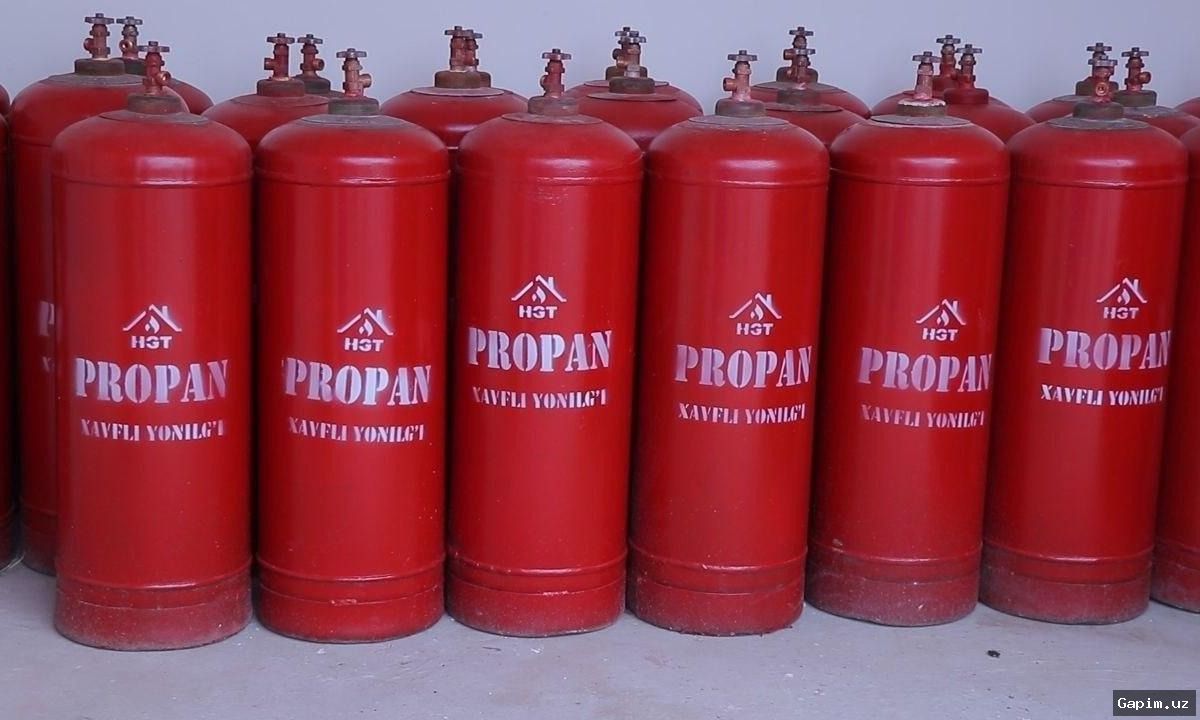
️ Key Takeaways: The company says more than 360 gas filling stations and outlets not operated by LPG-Trade LLC function as independent legal entities across the republic; filling household gas cylinders at auto gas stations is prohibited on safety grounds, with administrative liability taking effect on February 5, 2027; and proposals have been made to open special safe posts for residents.
Context and Background
️ The issue sits at the intersection of gas supply, public safety, and consumer access: filling household cylinders at facilities intended for vehicles can increase the risk of fire, explosion, or other emergencies, so the regulation is aimed at strengthening safety standards; at the same time, the existence of more than 360 independent stations and outlets preserves a lawful channel for residents to obtain the service.
️ In its statement, Hududgaztaminot stresses that household cylinder filling is not limited for the population, but under the current procedure it must be performed through authorized gas filling stations and outlets that meet technical requirements; this approach can be read not as an outright ban on the service, but as an effort to direct it toward controlled and technically suitable infrastructure.
Outlook and Key Details
️ Going forward, attention will focus on where the proposed safe posts would be located, under what technical standards they would operate, and how coordination with independent operators would be arranged; because the statement does not provide information on the regional distribution of the more than 360 stations and outlets or on pricing, transparency for consumers and local authorities remains a pertinent issue.
️ Although administrative liability will not take effect until February 5, 2027, the transition period will require public awareness campaigns, clear information about authorized stations and safe posts, and coordination with independent operators; ultimately, the effectiveness of the new framework will depend on whether it can improve safety while maintaining convenient access to the service for residents.
Source: kun.uz