In Tashkent, after bus fares moved to a fully electronic system and conductors stopped working in January 2025, transport inspectors have launched raids against passengers who travel without paying without valid reason; according to the Ministry of Transport, as reported to Kun.uz, 18,199 people were held accountable within one year for riding without a ticket two or more times, including some caught more than 10 times, and 92% of offenders are under 30.
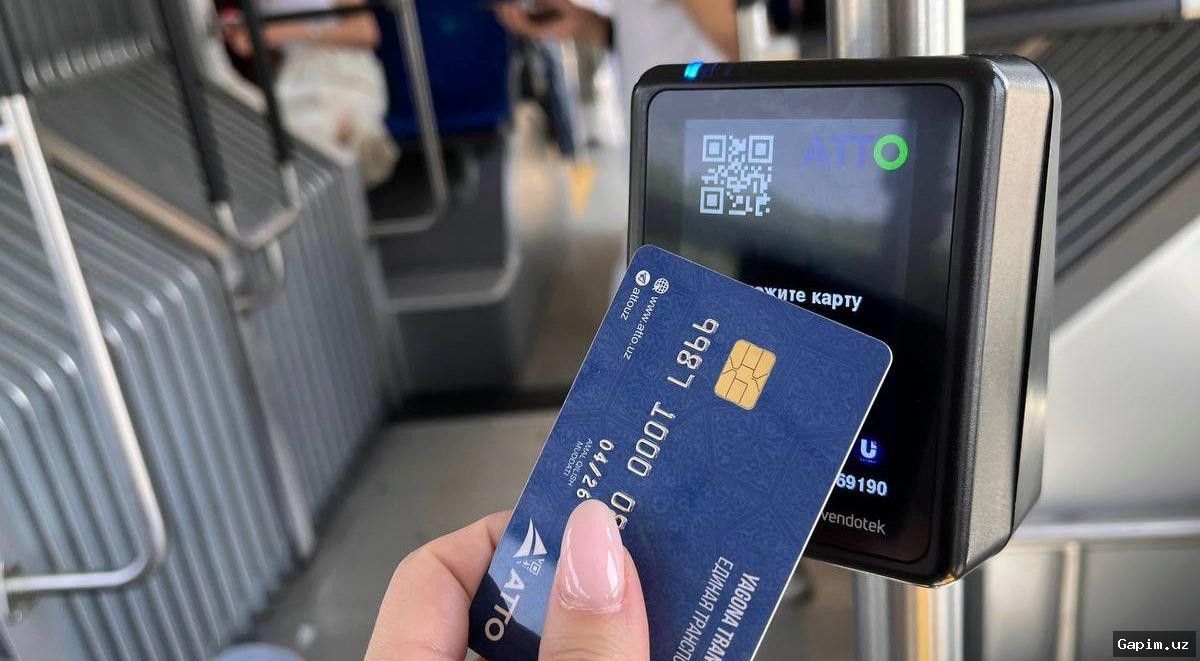
Key Takeaways: Conductors stopped working in January 2025 as fares became fully electronic; 18,199 repeat offenders accounted for at least 41,700 fareless rides; 138,780 administrative reports were filed from January through October 2026, with 92% involving passengers under 30; by November 9, reports reached 146,537 and fines collected exceeded 3.378 billion som.
Context and public reaction
Fare evasion in public transport is a common problem in many cities worldwide, and its causes and countermeasures differ by country; in Tashkent, the new system moved users to electronic payment and raids began against those riding without paying without valid reason, making violations easier to detect and record.
Key figures and penalty rules
Of the 18,199 repeat offenders, 14,256 were caught twice, 2,958 three times, 696 four times, and 289 five or more times, including some caught more than 10 times; from January through October 2026, 138,780 reports were filed, including 97,747 against people aged 18–30 and 30,533 against 16–17-year-olds, while men accounted for 105,272 reports (76%) and women for 33,508 (24%). Fareless passengers were detected more often during evening peak hours, when people return from work; penalties are set under Article 144 of the Code of Administrative Offenses and amount to one-tenth of the base calculation amount, currently 41,200 som, while the fare itself is 2,500 som.
By November 9, the number of reports had reached 146,537 and collected fines exceeded 3.378 billion som; in the coming period, authorities are likely to continue inspections and assess how passenger payment habits, repeat violations, and the effectiveness of electronic fare collection develop in Tashkent's public transport system.
Source: kun.uz